



Food and accommodation on the Annapurna Circuit Trek
It is important to understand the food and accommodation options, as well as the associated costs, to plan your Annapurna Circuit Trek with confidence. The Annapurna Circuit Trek offers a wide variety of food and accommodation choices, making it one of the most popular trekking routes for adventurers from around the world.
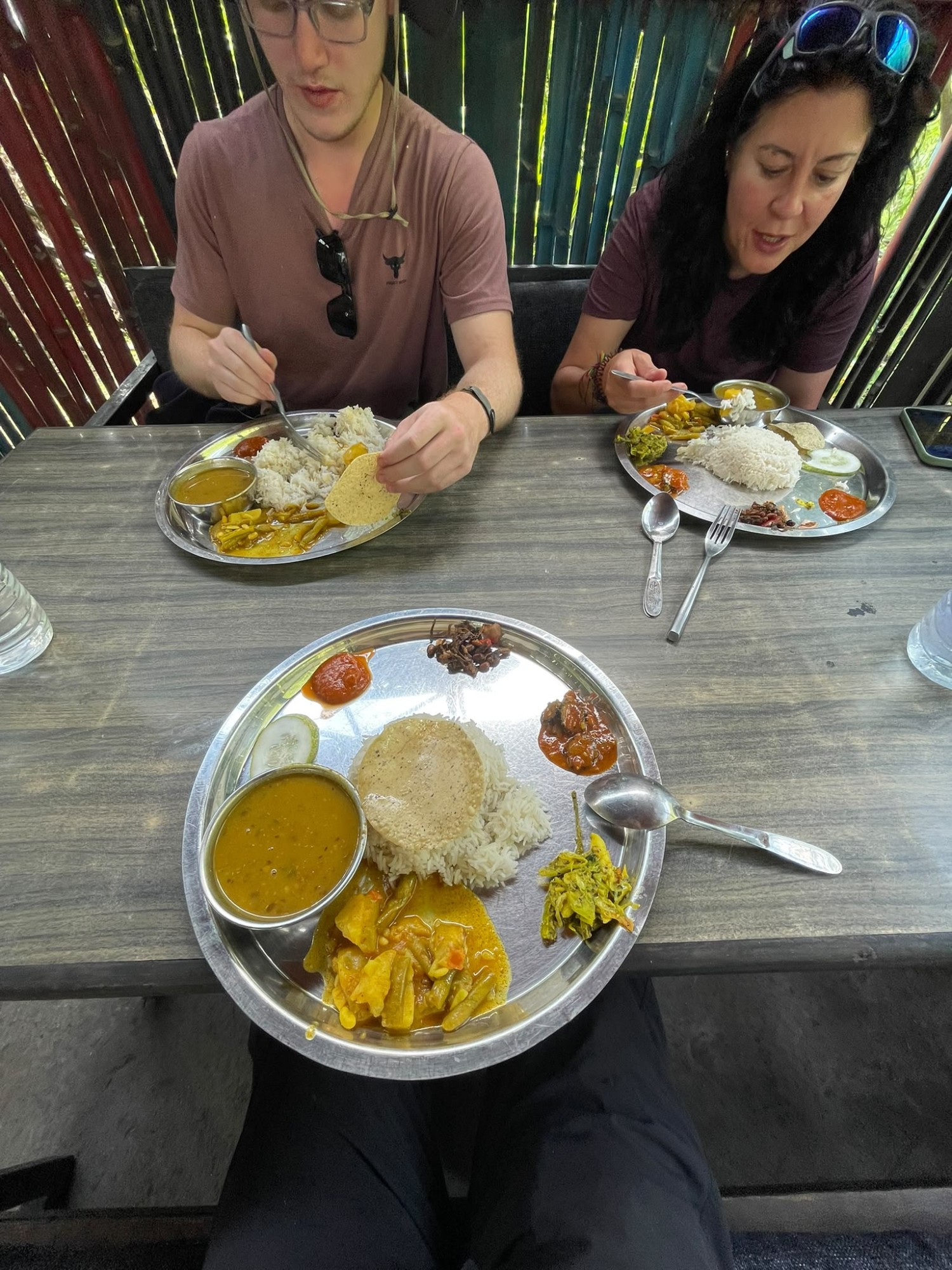
Along the trail, you'll stay in traditional teahouses and standard lodges that offer everything from basic rooms to more comfortable accommodations with attached bathrooms. These lodges are known for their warm hospitality and freshly prepared meals. The menus include authentic Nepali dishes such as dal bhat, along with international favorites like pasta, spaghetti, pizza, momo, fried rice, potato dishes, egg dishes, noodles, pancakes, soups, and more, giving trekkers plenty of options throughout the journey.



Accommodation ranges from simple teahouses with shared bathrooms at lower elevations to more comfortable lodges with private rooms, attached bathrooms, hot showers, and Wi-Fi in some villages. As you gain altitude, accommodation and food options become more limited. During the peak trekking seasons, it is highly recommended to book your accommodation in advance, as teahouses can fill up quickly. Meal service may also take longer because of the large number of trekkers and the limited kitchen staff. In addition, food and accommodation prices gradually increase at higher elevations due to the remote location and the challenges of transporting supplies.
Knowing what to expect for eating and sleeping on the Annapurna Circuit Trek will help you prepare for a safe, comfortable, and enjoyable adventure. This guide covers the types of meals available, accommodation standards, daily costs, hygiene, drinking water, and other practical tips to help you plan your trek with confidence and make the most of your Annapurna Circuit experience.
Where to Stay: Accommodation on the Annapurna Circuit Trek
The Annapurna Circuit Trek is a teahouse-based trekking route in Nepal's Annapurna region. This means you do not need to camp in tents during the trek. Instead, you'll stay in locally operated teahouses each night after a long day of hiking. There are plenty of teahouses along the route, offering trekkers convenient places to rest at every overnight stop. Whether you are trekking independently or with a guide, these teahouses provide accommodation ranging from basic to comfortable, along with a clean, warm, and welcoming atmosphere.
On our Annapurna Circuit Trek, we arrange the best available teahouse accommodations throughout the journey. In Dharapani, Chame, Pisang, Manang, Yak Kharka, Muktinath, Tatopani, Ghorepani, and Pokhara, we generally provide rooms with attached bathrooms and hot showers whenever available. However, at higher elevations, some teahouses may have attached bathrooms without shower facilities due to limited infrastructure and water availability.
Most teahouse rooms are twin-sharing and are typically furnished with two single beds, comfortable mattresses, clean bed sheets, pillows, and warm blankets. Although the rooms are simple, they provide everything you need for a comfortable night's rest before the next day's trek.
We carefully select the teahouses we use for our clients based on their cleanliness, warm hospitality, quality of service, and overall comfort. Whenever possible, we book the same trusted lodges that have consistently provided excellent experiences for our trekkers. This allows us to maintain high standards of accommodation and ensure a safe, comfortable, and enjoyable trekking experience throughout the Annapurna Circuit.
Please find below the teahouse accommodations arranged for each overnight stop during the Annapurna Circuit Trek.
Teahouse Accommodation in Dharapani
According to our itinerary, most trekkers spend their first night in Dharapani after a scenic 9–10-hour drive from Kathmandu via Besisahar. Dharapani is a relatively large village and an important stop on the Annapurna Circuit Trek, with around 15 teahouses and lodges catering to trekkers throughout the trekking season.
Each teahouse has a good accommodation capacity. Since Dharapani is also the point where the Manaslu Circuit Trek joins the Annapurna Circuit, some trekkers who have completed the Manaslu Circuit also spend the night here. As a result, the village can become busy during the peak trekking seasons. Although rooms are generally available throughout the year, booking in advance is recommended if you prefer a room with an attached bathroom.
Accommodation in Dharapani ranges from basic teahouses to more comfortable lodges. Room rates typically range from NPR 500 to NPR 1,500 per night, depending on the facilities provided. Most rooms are twin-sharing and are furnished with two single beds, clean mattresses, pillows, bed sheets, and warm blankets to ensure a comfortable night's sleep.
For our guests, we arrange rooms with attached bathrooms whenever they are available in Dharapani. These rooms also include a private bathroom and a hot shower, providing extra comfort and convenience before you begin your trek into the Annapurna region.
Teahouse Accommodation in Chame
The second night of our Annapurna Circuit Trek itinerary is usually spent in Chame, the headquarters of the Manang District. Chame is a beautiful mountain village located along the Annapurna Circuit trekking route, offering spectacular views of the surrounding Himalayan peaks. The village is also known for its natural hot springs, where trekkers can enjoy a relaxing hot bath after a long day of hiking. In addition, Chame has excellent facilities, including bakeries, banks, restaurants, shops, a health post, and a police station.
There are around 15 to 20 teahouses and lodges in Chame that provide accommodation for trekkers. During the peak trekking seasons (spring and autumn), these lodges can fill up quickly, especially the rooms with attached bathrooms. Therefore, advance booking is highly recommended if you want the best available accommodation.
Accommodation costs in Chame generally range from NPR 500 to NPR 1,500 per room per night, depending on the standard of the lodge and the facilities provided. Most rooms are twin-sharing and are furnished with two single beds, comfortable mattresses, pillows, bed sheets, and warm blankets, making them ideal for two people.
For our clients, we always arrange the best available accommodation, including rooms with attached bathrooms and hot showers whenever possible. If an attached bathroom is not available, the toilets and hot shower facilities are typically shared and located outside the guest rooms. We carefully select clean and comfortable teahouses to ensure you have a pleasant and relaxing stay in Chame before continuing your journey deeper into the Annapurna region.
Teahouse Accommodation in Upper Pisang
The third night of our Annapurna Circuit Trek itinerary is usually spent in Upper Pisang, one of the most scenic villages on the trail. Upper Pisang is renowned for its breathtaking views of Annapurna II, Annapurna IV, and several other snow-capped Himalayan peaks. The village is also home to an ancient Buddhist monastery, making it a worthwhile place to explore and experience the local culture.
Pisang is divided into two settlements: Lower Pisang and Upper Pisang. Upper Pisang is located approximately 200 meters higher than Lower Pisang. Before the construction of the road, Lower Pisang was the more common overnight stop for trekkers. Today, however, many trekkers prefer Upper Pisang for its spectacular mountain views, peaceful atmosphere, and the scenic high trail leading to Manang.
There are approximately 10 to 15 teahouses and lodges in Upper Pisang that provide accommodation during the trekking season. Accommodation ranges from basic twin-sharing rooms with shared bathrooms to more comfortable rooms with attached bathrooms. While some lodges offer attached bathrooms, hot showers are often provided in a separate shared facility. Despite their simple facilities, the teahouses are clean, comfortable, and well suited for an overnight stay.
Room rates in Upper Pisang generally range from NPR 500 to NPR 1,500 per night, depending on the lodge, the facilities available, and the trekking season. Most rooms are twin-sharing and include two single beds with mattresses, pillows, bed sheets, and warm blankets.
During the peak trekking seasons (spring and autumn), advance booking is highly recommended, especially for solo trekkers and independent travelers who prefer a room with an attached bathroom. If rooms in Upper Pisang are fully booked, Lower Pisang is a good alternative for overnight accommodation.
For our guests, we always arrange the best available accommodation in Upper Pisang whenever possible. For larger groups of 10 or more trekkers, it may not be possible to secure attached bathrooms for every room due to limited availability. In such cases, we typically arrange a combination of rooms with attached bathrooms and standard rooms with shared facilities, ensuring that the group stays together in the same teahouse whenever possible.
Teahouse Accommodation in Manang Village
The fourth and fifth nights of our Annapurna Circuit Trek itinerary are usually spent in Manang Village, located at an elevation of 3,550 meters (11,647 feet). Spending two nights in Manang is essential for proper acclimatization before crossing the high-altitude Thorong La Pass (5,416 m). This rest day helps your body adjust to the increasing altitude and significantly reduces the risk of altitude sickness.
Manang is the largest village on the Annapurna Circuit and offers a wide range of facilities for trekkers. The village has bakeries, cafés, restaurants, banks, ATMs, gear shops, pharmacies, and a health post. During your acclimatization day, you can also explore several popular attractions, including Ice Lake, Gangapurna Lake, Gangapurna Viewpoint, and the historic 100 Lama Monastery, all of which offer spectacular mountain views and rewarding short hikes.
There are more than 20 teahouses, homestays, and lodges in Manang that provide accommodation for trekkers throughout the trekking season. Accommodation ranges from basic twin-sharing rooms with shared bathrooms to more comfortable rooms with attached bathrooms. Most teahouses are clean, warm, and well maintained, and many also provide hot showers, Wi-Fi, and charging facilities for an additional fee, making Manang one of the most comfortable places to stay along the Annapurna Circuit.
Room rates generally range from NPR 500 to NPR 1,500 per night, depending on the type of room and the facilities provided. During the peak trekking seasons (spring and autumn), rooms can fill up quickly because most trekkers spend two nights in Manang for acclimatization. Therefore, advance booking is highly recommended, especially if you are trekking independently and prefer a room with an attached bathroom.
For our guests, we carefully select the best available teahouses in Manang and, whenever possible, use the same trusted lodges that are known for their cleanliness, warm hospitality, excellent service, and comfortable rooms. Our goal is to ensure you enjoy a relaxing and comfortable two-night stay while taking in the stunning mountain scenery and peaceful atmosphere of the Annapurna region.
Teahouse Accommodation in Yak Kharka
The sixth night of our Annapurna Circuit Trek itinerary is usually spent in Yak Kharka, a small settlement located at an elevation of 4,100 meters (13,451 feet). Staying overnight at Yak Kharka is an important part of the acclimatization process before ascending to Thorong Phedi and crossing the challenging Thorong La Pass the following day.
Yak Kharka has around 9 teahouses and lodges, providing accommodation for trekkers during the trekking season. Although the accommodation is more basic than at lower elevations, the teahouses are clean, comfortable, and well equipped for an overnight stay in the high Himalayas.
Some teahouses offer rooms with attached bathrooms, while others provide standard twin-sharing rooms with shared bathroom facilities. Due to the cold climate and limited infrastructure at this altitude, hot showers are usually located in a separate shared bathroom, even if your room has an attached toilet. For our guests, we arrange the best available accommodation, which is often a combination of approximately 50% rooms with attached bathrooms and 50% standard rooms with shared facilities, depending on availability. Most rooms are twin-sharing and include comfortable mattresses, pillows, bed sheets, and warm blankets.
Room rates in Yak Kharka generally range from NPR 500 to NPR 1,500 per night, depending on the lodge and the facilities available.
During the peak trekking seasons (spring and autumn), accommodation in Yak Kharka can fill up quickly because there are only a limited number of teahouses. This is especially important for independent and solo trekkers, who may find it difficult to secure a room without a reservation. For guests trekking with High Pass Adventure, our experienced guides book the best available accommodation in advance whenever possible, ensuring a warm and comfortable stay while you enjoy the magnificent views of the surrounding Himalayan peaks and the spectacular landscapes of the Annapurna region.
Teahouse Accommodation in Thorong Phedi
The seventh night of our Annapurna Circuit Trek itinerary is usually spent in Thorong Phedi, which is located at an elevation of 4,550 meters (14,928 feet). Staying overnight at Thorong Phedi allows trekkers to rest and prepare for the early morning ascent to Thorong La Pass (5,416 m) the following day.
Some trekkers choose to stay at Thorong High Camp, which is situated at approximately 4,800 meters. Although staying at High Camp shortens the climbing distance on summit day, sleeping at this higher altitude can be more challenging and may increase the risk of altitude sickness. For this reason, we generally recommend staying at Thorong Phedi, where sleeping conditions are more comfortable and acclimatization is better.
Thorong Phedi has only three teahouses, but together they can accommodate approximately 250 to 300 trekkers during the trekking season. Accommodation is basic, as expected at this high altitude. Most rooms are twin-sharing with simple furnishings, including mattresses, pillows, bed sheets, and warm blankets. Some rooms have attached toilets, while others share bathroom facilities. Due to the high elevation, limited water supply, and freezing temperatures, attached toilets are generally squat-style, and hot showers are either unavailable or provided only in shared facilities.
Room rates typically range from NPR 500 to NPR 1,500 per night, depending on the room type and the facilities available. During the peak trekking seasons (spring and autumn), the teahouses can become fully booked because of the limited accommodation. Therefore, advance booking is highly recommended, especially for solo and independent trekkers who want the best available rooms. If you trek with High Pass Adventure, our experienced guides will reserve the best available accommodation for you in advance whenever possible.
For our guests, we carefully arrange the best available teahouse accommodation to ensure a comfortable and warm overnight stay before crossing Thorong La Pass. From Thorong Phedi, you can enjoy spectacular views of the surrounding Himalayan peaks while preparing for one of the most memorable days of the Annapurna Circuit Trek.
Teahouse Accommodation in Muktinath
The eighth night of our Annapurna Circuit Trek itinerary is usually spent in Muktinath after crossing the challenging Thorong La Pass (5,416 m). Located at an elevation of 3,800 meters (12,467 feet), Muktinath is the perfect place to rest and recover after one of the most demanding days of the trek.
Today, Muktinath offers a wide range of accommodation options, including teahouses, lodges, guesthouses, and hotels. As one of Nepal's most important pilgrimage destinations for both Hindus and Buddhists, and with road access to the village, Muktinath has developed better tourism infrastructure than many other villages along the Annapurna Circuit. Trekkers can choose from a variety of accommodations to suit different budgets and comfort levels.
For our guests, we arrange the best available accommodation at a reasonable price. Whenever possible, we book rooms with attached bathrooms and hot showers. After several nights at higher elevations, such as Yak Kharka and Thorong Phedi, where hot showers are often unavailable due to limited facilities and freezing temperatures, a hot shower in Muktinath is a welcome comfort for most trekkers.
The teahouses and lodges in Muktinath are generally clean, comfortable, and well equipped for a relaxing stay. Most rooms are twin-sharing and include comfortable beds, mattresses, pillows, bed sheets, and warm blankets. Depending on the lodge, rooms may have either attached or shared bathroom facilities. Room rates typically range from NPR 1,000 to NPR 2,500 per night, depending on the standard of accommodation and the facilities provided.
During the peak trekking seasons (spring and autumn), accommodation in Muktinath can become very busy with both domestic pilgrims and international trekkers. Therefore, advance reservations are highly recommended, especially for independent trekkers who want the best available rooms.
For our guests, we carefully select clean, comfortable, and reliable accommodations to ensure a relaxing and enjoyable stay in Muktinath. After crossing Thorong La Pass, you can unwind, enjoy the warm hospitality, and take in the magnificent views of the surrounding Himalayan peaks and the beautiful landscapes of the Annapurna region.
Teahouse Accommodation in Tatopani
On the ninth night of our Annapurna Circuit Trek itinerary, trekkers stay in Tatopani. The name "Tatopani" means hot water, and after several days of trekking, it is one of the best places to relax and enjoy a natural hot spring bath.
From Muktinath to Tatopani, trekkers usually travel by vehicle, allowing enough time to reach Tatopani and enjoy the famous hot springs. Taking a hot bath here is a perfect way to soothe tired muscles before continuing the journey.
Tatopani offers a variety of teahouses and lodges, ranging from basic accommodations to more comfortable and luxury options. Room prices typically range from NPR 1,000 to NPR 4,000 per night, with most rooms accommodating two people. Many rooms include attached bathrooms and hot showers, providing a comfortable stay after a long day of travel.
There are around 7–8 teahouses and lodges in Tatopani, with enough capacity to accommodate approximately 100–150 trekkers. However, during the peak trekking seasons, finding the best accommodation can be difficult without an advance reservation. Tatopani is popular with both domestic and international visitors who come to enjoy the natural hot springs, making the village especially busy during spring and autumn.
For this reason, advance booking is highly recommended, particularly for independent trekkers. If you are trekking with a guide, your guide will usually arrange the best available accommodation in advance.
When you book the Annapurna Circuit Trek with High Pass Adventure, we take care of all accommodation arrangements throughout the trek. We reserve the best available teahouses to ensure you enjoy a comfortable and warm stay, delicious freshly prepared meals, magnificent mountain scenery, and a relaxing hot spring experience in Tatopani.
Teahouse Accommodation in Ghorepani
On the tenth night of our Annapurna Circuit Trek itinerary, trekkers stay in Ghorepani before hiking to Poon Hill for its spectacular sunrise and panoramic views of the Annapurna and Dhaulagiri mountain ranges.
Ghorepani has around 30–35 teahouses and lodges that provide accommodation for both domestic and international trekkers. The cost of accommodation generally ranges from NPR 500 to NPR 2,000 per night for a twin-sharing room, depending on the quality of the lodge. Basic rooms are available at lower prices, while more comfortable rooms with attached bathrooms cost slightly more.
The teahouses in Ghorepani are generally clean, comfortable, and well-equipped for a pleasant overnight stay. Most rooms are twin-sharing and feature either attached or shared bathroom facilities, depending on the lodge. Hot showers, charging facilities, and Wi-Fi are available in many teahouses, although additional charges may apply.
During the peak trekking seasons, accommodation fills up quickly because Ghorepani is an important junction connecting the trails from Tatopani, Nayapul, and Ghandruk. It is also one of the most popular overnight stops for trekkers visiting the famous Poon Hill viewpoint. For this reason, advance reservations are highly recommended, especially for independent trekkers and guided groups who want to secure the best rooms.
When you book your Annapurna Circuit Trek with High Pass Adventure, we reserve the best available teahouses, including rooms with attached bathrooms whenever possible. We ensure our guests enjoy comfortable accommodation, warm hospitality, delicious freshly prepared meals, and unforgettable views of the surrounding Himalayan peaks and beautiful mountain landscapes throughout the trek.
Food on the Annapurna Circuit Trek: What to Eat
Food on the Annapurna Circuit Trek is available at teahouses, lodges, small tea shops, and local restaurants along the trail. Since you will be walking for several hours each day, it is important to eat nutritious, high-calorie meals to maintain your energy throughout the trek.
The Annapurna Circuit passes through villages inhabited by diverse ethnic communities, including the Gurung, Thakali, Magar, and Tibetan people. These communities are well known for their warm hospitality and serve both traditional local cuisine and a variety of international dishes to meet the needs of trekkers. Most teahouses offer an extensive menu featuring Nepali, local, Indian, Tibetan, Chinese, and Western meals, making it easy to find food that suits different tastes and dietary preferences.
Most teahouses are family-run, and the meals are usually prepared by family members, especially in the lower regions up to Manang. Above Manang, in places such as Yak Kharka and Thorong Phedi, many of the larger teahouses employ trained and experienced cooks from the lower regions to provide quality food and good service. In general, the food is freshly prepared, hygienic, and suitable for trekking at high altitude. However, the flavor and cooking style may differ from what many Western travelers are accustomed to.
Fresh meat is limited along the trail, particularly at higher elevations, because of the remote location, limited transportation, and the difficulty of keeping meat fresh. For this reason, many trekkers choose to eat vegetarian meals during the trek, a