


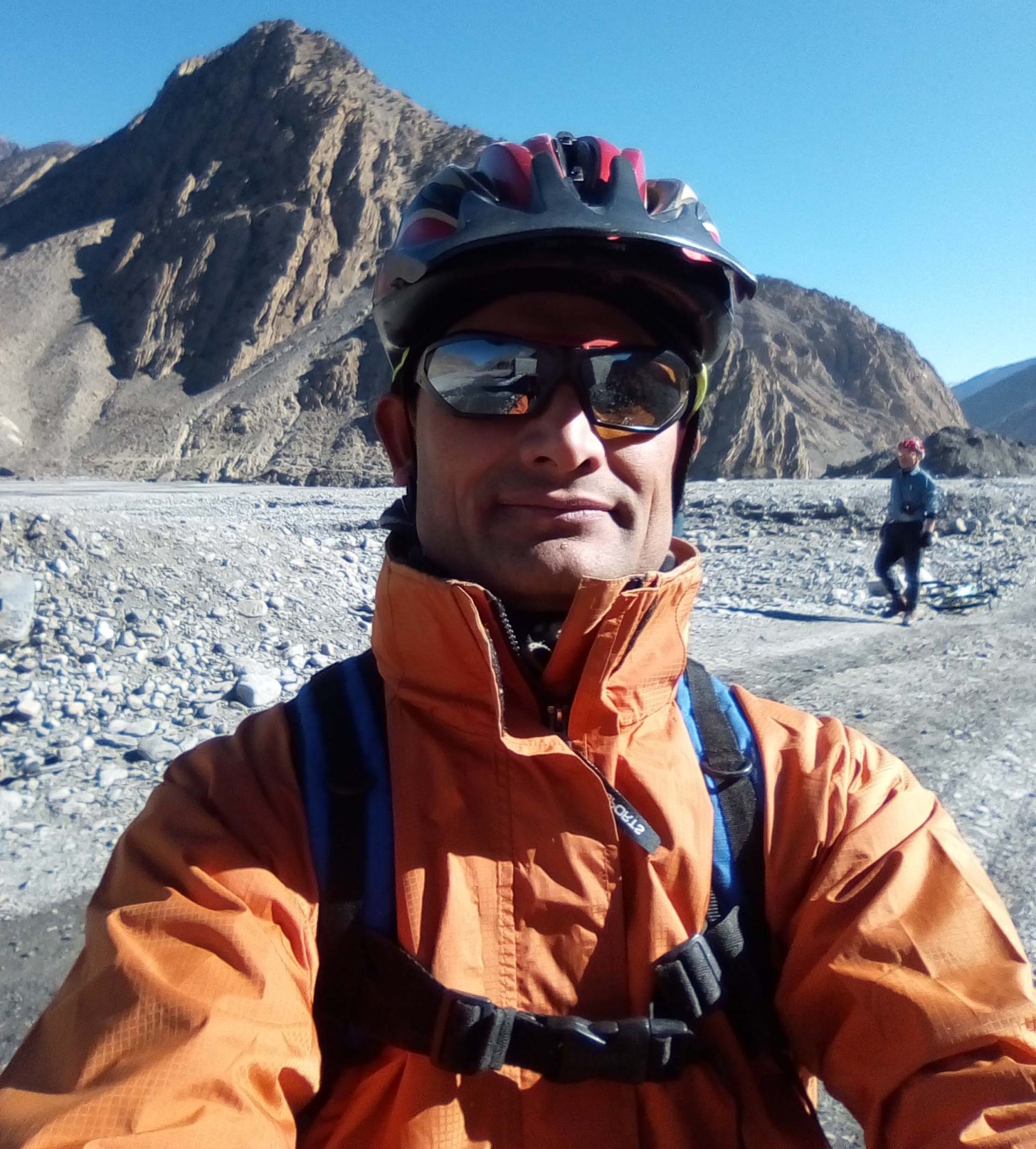

A Complete Guide: Gokyo Lake Trek
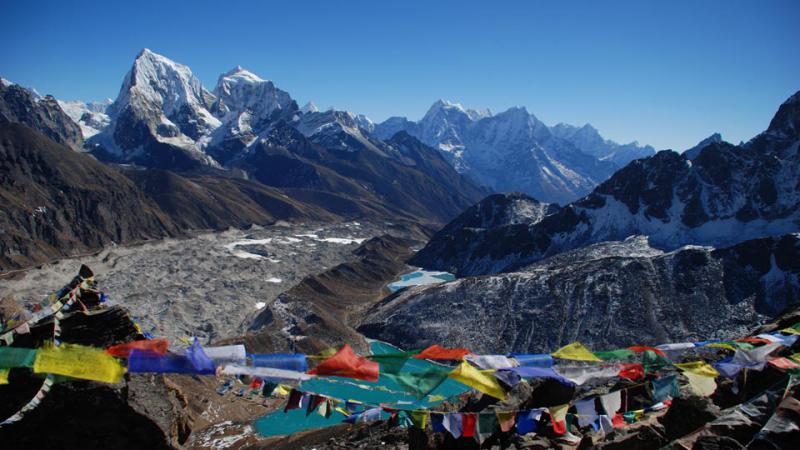
Discover the complete Gokyo Lake Trek guide with a detailed day-by-day itinerary, costs, guide and porter services, permits, food, accommodation, transport, weather, highlights, difficulty level, nature and culture, and the best time to go—plus expert tips for a safe and unforgettable experience.
Gokyo Lake Trek - Information
Gokyo is the name of both a village and a group of lakes. There are five lakes located in Khumbu Pasang Lhamu Rural Municipality of the Solukhumbu District in northeastern Nepal. Gokyo Lake, also known as Dudh Pokhari, is the main source of the Dudh Koshi River. The Gokyo Valley covers an area of 196.2 hectares (485 acres) and lies at an elevation of approximately 16,400 feet.


Besides the lakes, there are many other beautiful attractions for trekkers, including Mount Cho Oyu and the Ngozumpa Glacier. Cho Oyu (8,201 meters) is the sixth-highest mountain in the world, and the Ngozumpa Glacier is the largest glacier in Nepal.
The Gokyo Lake Trek is a wonderful and adventurous journey in the Everest Region of Nepal. It is a scenic trekking route that is less crowded than the Everest Base Camp Trek and serves as an excellent alternative route. The trek is becoming increasingly popular due to its stunning natural scenery.
In addition to spectacular mountain views and glaciers, one of the major highlights of the trek is the series of stunning turquoise lakes located at an altitude of around 5,000 meters. These lakes are sacred to both Hindus and Buddhists, and many pilgrims visit during August, especially during the Janai Purnima festival. The trek offers an incredible opportunity to explore the breathtaking Gokyo Valley, surrounded by pristine glacial lakes and towering Himalayan peaks.
Gokyo Lake Trek – Facts
Duration: 11–14 days
Difficulty: Moderate to Challenging
Highest Elevation: Gokyo Ri – 5,360 m
Highlights: Gokyo Lake, Gokyo Ri, Ngozumpa Glacier
Accommodation: Hotel / Guesthouse / Teahouse
Walking Hours: 4–7 hours per day
Trekking Route: Kathmandu – Lukla – Gokyo Lake – Lukla – Kathmandu
Transportation: Flight (small 15-seat aircraft)
Cost: Depends on trekker preferences (tentative USD 1,250–2,000 per person)
Gokyo Lake Trek - Highlights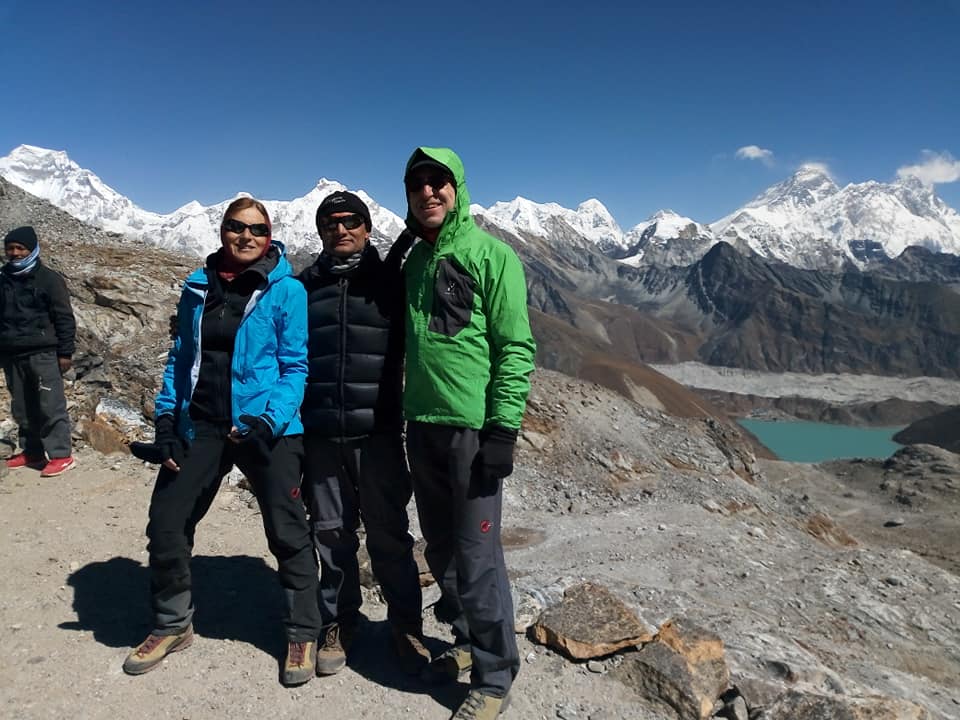
- Short and Scenic Mountain flights to and from Lukla Airport
- Teahouse accommodation with warm dining halls throughout the trek route
- Suitable for all types of trekkers, including families, students, groups, and ages 10 to 70
- Trek through Sagarmatha National Park, rich in nature and culture, with unique flora and fauna and listed as a UNESCO World Heritage Site
- Visit the National Park office and Sherpa Museum in Namche Bazaar
- Explore traditional Sherpa villages and experience their culture, traditions, and lifestyle
- Visit the five beautiful Gokyo Lakes in the Gokyo Valley
- Experience the peaceful and less-crowded Gokyo Valley
- Gokyo Ri viewpoint with stunning views of Mt. Everest, Mt. Cho Oyu, Mt. Makalu, and other snow-capped peaks
- Opportunity to explore the Ngozumpa Glacier, the largest glacier in Nepal
- Breathtaking mountain scenery and surrounding landscapes throughout the trek
Gokyo Lake Trek – Itinerary
Day 1: Arrival in Kathmandu and transfer to the hotel by private vehicles (1350 m) overnight at the hotel
Day 2: Trek Preparation Day in Kathmandu (1350 m). Overnight at Kathmandu Hotel
Day 3: Fly to Lukla (35 minutes) and trek to TokTok (30 minutes far from Phakding) (2,700 m) walking time 4 hrs. Overnight at Tea house
Day 4: Trek to Namche Bazaar (3440 m) walking time 5/6 hrs. Overnight at Tea house
Day 5: Namche Bazaar rest day for acclimation. Overnight at Tea house
Day 6: Trek to Dole (4038 m) 6/7 hrs walk. Overnight in Tea House
Day 7: Trek to Machhermo (4470 m) 4/5 hrs walk. Overnight in Tea house
Day 8: Trek to Gokyo (4750 m) 4 hrs walk. Overnight in Tea-house
Day 9: Explore around the Gokyo (4750 m) hike up to Gokyo Ri (5300 m) of 5th lake 4-6 hrs walk. Overnight in Tea House
Day 10: Trek to Dole (4038 m) 5/6 hrs walk. Overnight in Tea House
Day 11: Trek to Namche (3440 m) 6 hrs walk. Overnight in Tea-House
Day 12: Trek to Lukla (2800 m) walking time 7/8 hrs. Overnight in Tea House
Day 13: Flight back to Kathmandu, Overnight at Hotel
Day 14: Final departure day to your home or next destination
Gokyo Lake Trek – Cost (Standard Package)
The cost of the Gokyo Lake Trek (14 days / 13 nights) is USD 1250 per person, based on our standard itinerary. This price applies to a group with a minimum of two participants.
This cost includes transportation, accommodation, meals, guide, porter, and required permits as per the itinerary. Full details are clearly listed in the Cost Included and Cost Excluded sections.
We guarantee reasonable pricing and high-quality service for the Gokyo Lake Trek within this range. We recommend obtaining detailed quotations from several reputable trekking agencies to compare options and choose the best one for your needs and budget. High Pass Adventure Trekking Agency offers competitive, transparent pricing with no hidden costs, ensuring you get the best value for your money.
This price does NOT include: emergency evacuation, travel insurance, drinks, trekking equipment, or extra luxury accommodation.
Please note that the cost may vary depending on the package you choose, preferred services, trekking season, group size, nationality, luxury accommodations, and the trekking agency you select. Our Gokyo Lake Trek packages include all essential services, making your planning and budgeting straightforward and hassle-free.
Gokyo Lake Trek – Transportation Options
For the Gokyo Lake Trek, our itinerary includes flight transport. You will fly to Lukla in a small 15-seater aircraft and return to Kathmandu from Lukla by the same aircraft. There are other transportation options as well, such as helicopter, but this is more expensive than a flight.
If trekkers have more time than our itinerary allows, there is a road transport option from Kathmandu to Surke (about 1 hour below Lukla). However, this road journey takes 2 days by vehicle. The cost is approximately USD 70–100 per person by public vehicle (shared jeep). You can choose the transportation option that best fits your budget and schedule for the Gokyo Lake Trek.
Gokyo Lake Trek – Flight Information
Lukla is a small town with a short runway airport and serves as the main starting point for treks in the Everest region, including the Gokyo Lake Trek. Trekkers can either fly to Lukla from Kathmandu or Ramechhap, or trek in from Phaplu or Jiri.
Regular flights to Lukla are operated by Tara Air, Summit Air, and Sita Air from Kathmandu or Ramechhap during the main trekking seasons.
During peak trekking months—March, April, May, September, October, and November—flights to Lukla often operate from Ramechhap (Manthali Airport) due to Nepal’s aviation regulations aimed at reducing congestion and air traffic delays at Kathmandu Airport. Ramechhap Airport is approximately 144 km east of Kathmandu and requires a 3–5 hour drive by private vehicle from Kathmandu.
Luggage Allowance
The standard luggage allowance is 15 kg per passenger, including hand luggage. It is strongly recommended to stay within this limit to avoid additional charges. If your luggage exceeds the weight limit, it may be sent on a later flight at an extra cost, which could require waiting several hours in Lukla to receive it.
Flight Delays and Cancellations
Flights to and from Lukla are highly dependent on weather conditions, and delays or cancellations are common. It is strongly recommended to include one or two extra buffer days in your itinerary to manage possible flight disruptions and ensure you do not miss your international flight.
If you have limited time before or after your trek, you may consider taking a helicopter to or from Lukla or choosing an alternative trekking route in another region.
Gokyo Lake Trek – Difficulty
The Gokyo Lake Trek is moderate to difficult in the Everest Region of Nepal. It does not require prior high-altitude trekking experience because our itinerary is flexible and includes additional acclimatization days. However, it does require good physical fitness, a strong mindset, and determination, as the trek reaches high elevations and typically involves 4 to 7 hours of walking each day (excluding acclimatization days).
This trek can be challenging for beginners. Therefore, beginners should prepare in advance with activities such as walking, hiking, running, and swimming.
Gokyo Lake Trek – Best Time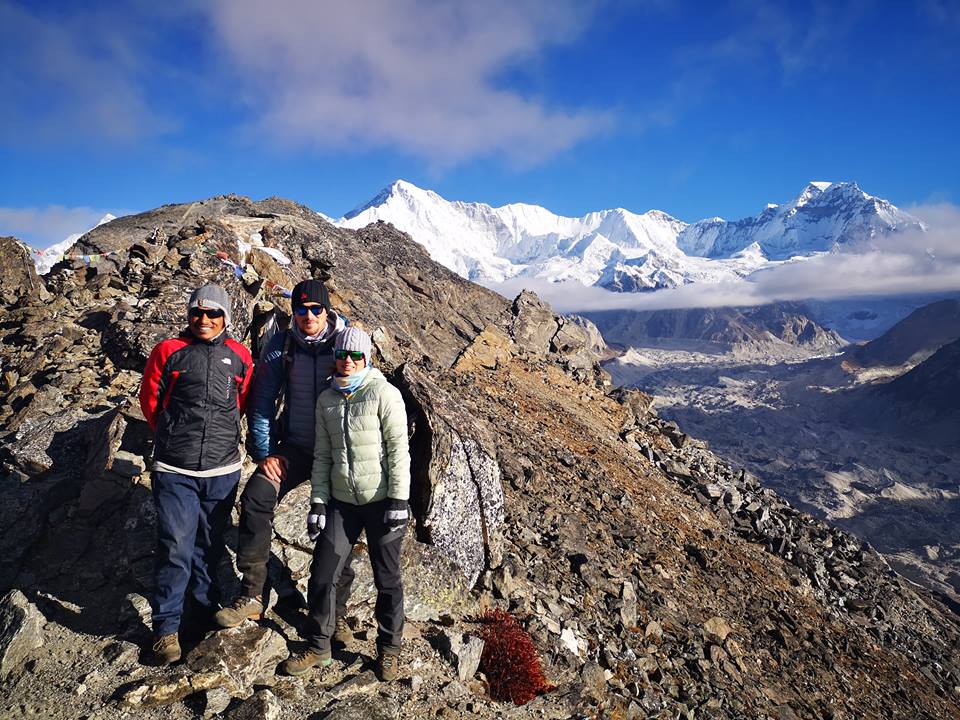
The autumn (September to November) and spring (March to May) seasons are the best times for the Gokyo Lake Trek. During these periods, the weather is generally stable—neither too cold nor too hot—with less snow and rainfall. This creates clear, sunny conditions and offers Spectacular Mountain and landscape views.
Spring adds extra beauty with colorful forests as rhododendron flowers bloom, while autumn is memorable for its clear skies and vibrant Nepali festivals.
December and February are also recommended months for the Gokyo Lake Trek for trekkers who prefer fewer crowds, although temperatures can be colder.
Summer (monsoon) and winter are considered off-seasons and are less popular due to challenging weather conditions. Summer brings frequent rain, while winter often has heavy snowfall. Weather and seasons play an important role in trekking, so choosing the right time is essential for a safe and enjoyable Gokyo Lake Trek.
Gokyo Lake Trek – Food and Accommodation Options
There are various food and accommodation options available on the Gokyo Lake Trek. Accommodation is provided in guesthouses and teahouses, depending on the trekker’s requirements and budget. Both options are generally clean, comfortable, and warm, although facilities become more basic at higher altitudes. However, they are sufficient for all trekkers.
Rooms are usually twin-sharing with beds, mattresses, blankets, and pillows. In most places, bathrooms are shared and located outside the room. Along the Gokyo Lake Trek route, a few luxury lodges are available, but they are more expensive than standard teahouses. Trekkers may choose these options at an additional cost.
Food in the teahouses is clean, delicious, and served in sufficient portions. Each teahouse offers a similar menu, allowing you to choose meals easily. We recommend trying local dishes such as Tsampa porridge, Dal Bhat, and fried potatoes. A variety of Western foods is also available, including pasta, noodles, momo, soup, eggs, porridge, pizza, chips, meat steaks, and lasagna, depending on availability.
We highly recommend bringing warm clothing, a sleeping bag, and light snacks such as energy bars and cookies for the Gokyo Lake Trek.
Gokyo Lake Trek – Required Permits
The Gokyo Lake Trek requires two permits: the Sagarmatha National Park Entrance Permit and the Khumbu Pasang Lhamu Rural Municipality Entrance Permit. These permits are required because the trekking route lies within Sagarmatha National Park in the Khumbu Pasang Lhamu Rural Municipality of the Everest region, Nepal.
These permits can be obtained through a reputable trekking company, the Nepal Tourism Board (Bhrikutimandap, Kathmandu), or during the trek. The Sagarmatha National Park Entrance Permit can be purchased in Monjo, while the Khumbu Pasang Lhamu Rural Municipality Entrance Permit can be purchased in Lukla after starting the journey.
You or your guide must carry these permits throughout the trek, as they must be shown and registered at each checkpoint along the trail. Trekking without the required permits may result in having to purchase them on-site at double the cost as a penalty, or you may be required to turn back.
Permit Fees
Khumbu Pasang Lhamu Rural Municipality Entrance Permit
- USD 30 per person per trek (foreign nationals)
- USD 20 per person per trek (SAARC nationals)
Sagarmatha National Park Entrance Permit
- USD 30 per person per trek (foreign nationals)
- USD 15 per person per trek (SAARC nationals)
Gokyo Lake Trek – Hire a Guide and Porter
Hiring a guide and porter for the Gokyo Lake Trek is highly recommended for all trekkers to successfully complete the journey. The trek takes place in remote areas and requires flights to and from Lukla, making local support especially important.
A guide assists with all logistics from start to finish, including arranging Lukla flights, permits, accommodation, and meals. The guide also explains local nature and culture, points out the best photography spots, sets a proper pace for ascending to higher elevations, and provides guidance on how to reduce the risk of altitude sickness.
A porter carries your main luggage, allowing you to trek comfortably and enjoy the journey without unnecessary strain or hassle.
Gokyo Lake Trek – Electricity and Charging Facilities
Most teahouses along the Gokyo Lake trekking trail have electricity, but availability may be limited beyond Lukla, Phakding, and Namche due to the remote location and reliance on solar power. In the lower regions, electricity is often generated by small hydropower plants, while solar energy is more commonly used in teahouses at higher altitudes.
Charging electronic devices such as mobile phones and cameras usually incurs an additional cost. During the busy trekking seasons, charging facilities can be in high demand. Therefore, it is highly recommended to bring a power bank or a portable solar charger to ensure you can keep your electronic devices charged throughout the trek.
Gokyo Lake Trek – Wi-Fi and Internet Service
Wi-Fi and internet services are available in most teahouses along the Gokyo Lake Trek route. Teahouses and lodges usually provide internet access for an additional charge, especially above Namche Bazaar, where a prepaid card system is commonly used. Internet connections above Namche are often slow or unstable due to weather conditions and technical limitations.
Below Namche Bazaar, unlimited Wi-Fi is more common, internet speeds are generally better, and in some places, Wi-Fi may even be available free of charge.
Average (neither very strong nor very weak) mobile phone coverage is available along the trekking route up to Machhermo. Beyond this point, coverage can be irregular or unavailable, particularly at higher altitudes and in more remote areas.
If you plan to use your mobile phone, it is advisable to purchase a local SIM card from Ncell or Nepal Telecom in Kathmandu. These providers offer better coverage in some areas along the trek; however, mobile data is not always reliable in the high mountains.
Gokyo Lake Trek – Tipping Information for Guide and Porter
During trekking in Nepal, guides and porters play an essential role in the success of the trip, and the same applies to the Gokyo Lake Trek. They help ensure that your trek is completed smoothly, safely, and without issues.
Tipping is an important and customary practice in Nepal, as it shows appreciation for the hard work and dedication of the local staff that support you throughout the journey. Tips are usually given at the end of the trek, and it is recommended to gather all team members (guide and porter) together when distributing the tips.
Tips are generally given in cash, preferably in US dollars or Nepalese rupees, and using small denominations makes distribution easier.
While a common guideline is to tip around 10%–15% of the total trip cost, the amount can be adjusted based on the quality of service provided. Recommended daily tipping amounts are:
- Guide: USD 12–15 per day
- Porter: USD 8–10 per day
These tips are highly recommended to motivate the team and reward them for their excellent service, contributing to a memorable and enjoyable trekking experience.
Gokyo Lake Trek – Travel Insurance Information
Travel insurance is very important for the Gokyo Lake Trek because the route is in a remote location and unexpected events can occur, such as bad weather, accidents, or altitude sickness. In such cases, medical assistance and evacuation may be required, which can be very expensive.
Therefore, you should ensure your insurance covers air ambulance evacuation, medical treatment, and other travel-related risks, such as lost, stolen, damaged, or delayed baggage, as well as flight delays. This is especially important for the Gokyo Lake Trek, which is a 14-day trek reaching an altitude of 5,364 meters.
Your insurance policy should cover all trekking activities during your stay in Nepal, so it is essential to choose a reliable travel insurance provider.
Gokyo Lake Trek – Required Packing List
Travel equipment is essential for any trek, and the same rule applies to the Gokyo Lake Trek. Below is our recommended packing list. We understand it may seem like a lot to carry from home, so we suggest packing light and bringing only the necessary items. If you are missing anything, you can hire or buy it in Kathmandu, especially around Thamel.
These general items are suitable for all seasons while trekking in Nepal, but the list may vary depending on the season and the duration of your trek. Therefore, it is important to ask your trekking organizer for a detailed packing list specific to your trek. They will provide clear information about what to bring, what to use during the trek, and what to store in Kathmandu.
Packing List (Short & Essential)
Documents
- Passport + 4 passport-size photos
- Travel insurance details (including evacuation cover)
- Flight boarding passes
- Cash (USD) + credit/debit card
- Driver’s license (if needed)
Sleeping
- Sleeping bag (comfort rating -15°C recommended)
- Sleeping bag liner (optional)
Footwear
- Lightweight trekking boots
- Sandals for teahouses
- Warm hiking socks + inner socks
- Gaiters (if trekking in winter)
Clothing (Non-cotton)
- Base layer (top + bottom)
- Fleece/windproof jacket
- Waterproof jacket + trousers
- Down jacket
- Trekking trousers
- Gloves + wool hat
- Scarf or bandana
- City clothes
Health & First Aid
- Basic first-aid kit (painkillers, bandages, antihistamine, diarrhea medicine)
- Rehydration salts + prescription medicines
- Wet wipes & hand sanitizer
Others
- Sunglasses + sunscreen
- Water bottle (2L minimum)
- Day bag (35L) + duffel bag (max 12 kg for porter)
- Dry bag / liner
- Towel
- Toothbrush + toothpaste
- Biodegradable soap (optional)
Optional
- Trekking poles
- Headphones/earplugs
- Binoculars
- Travel games
Conculsion
The Gokyo Lake Trek is an unforgettable journey through some of Nepal’s most spectacular landscapes. With the right preparation, you can experience the natural beauty, culture, and thrilling adventure while staying safe and comfortable along the way.
Read this complete guide for detailed day-by-day itinerary, costs, guide and porter services, permits, food, accommodation, transport, weather, highlights, difficulty level, nature and culture, and the best time to go—plus expert tips for a safe and unforgettable experience.