


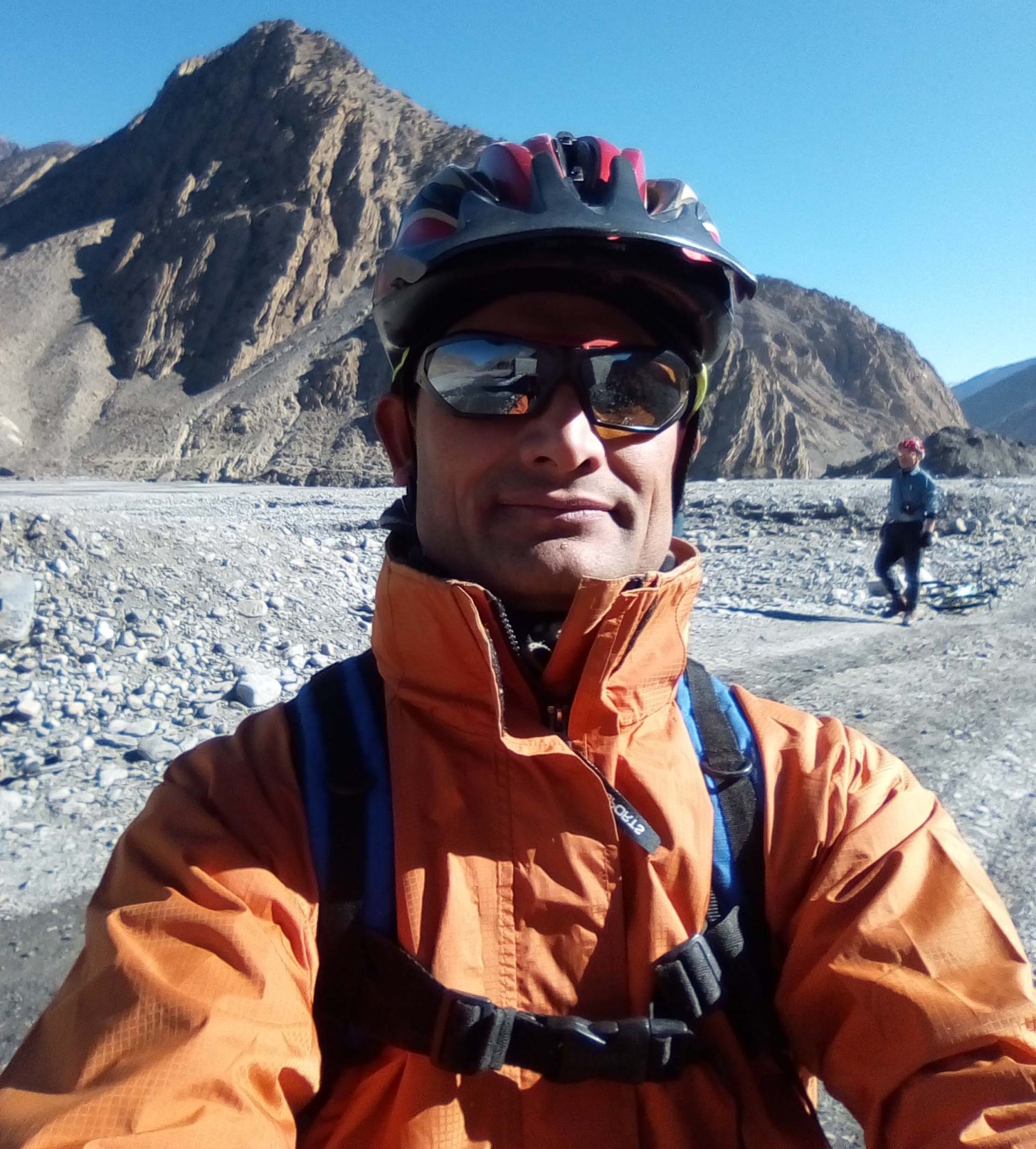

Langtang Valley Trek Food & Accommodation
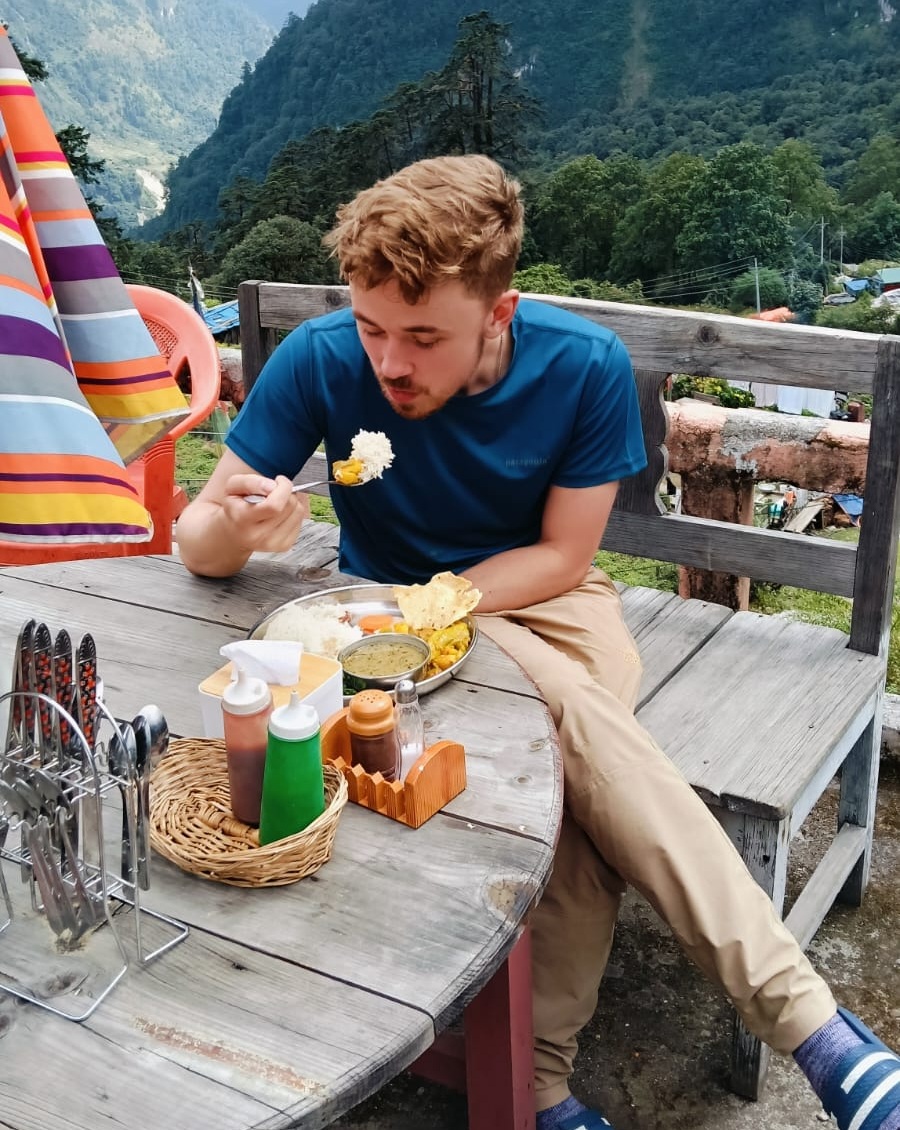
You may want to know about food and accommodation on the Langtang Valley Trek before planning this trip. This route offers a wide range of options, from simple local dishes to Western cuisine, and from basic teahouse accommodation to rooms with attached bathrooms and hot showers, depending on the package, budget, and level of service you choose.
To complete the Langtang Valley Trek safely and successfully, it is important to have fresh and nutritious food and clean, comfortable accommodation throughout the journey. That is why we carefully select the best available food and lodging options for all trekkers included in our packages. We consistently use the same trusted teahouses at each location because we are familiar with their quality of service and hospitality along the Langtang Valley Trek route in the Langtang region.


While you may find cheaper trekking packages, they may provide only basic accommodation and inexpensive food. We prioritize quality and comfort by offering better accommodation, hygienic meals, and reliable services. Every year, more than 100 trekkers choose to trek with us (High Pass Adventure), and all successfully complete the Langtang Valley Trek. Our commitment to comfortable accommodation, healthy food, proper acclimatization, and professional support helps ensure that all clients have a safe and enjoyable trekking experience.
Where to Stay: Accommodation on the Langtang Valley Trek
During the Langtang Valley Trek, trekkers stay in teahouse accommodations after each day's hike. These teahouses provide basic yet comfortable lodging, along with a warm and welcoming atmosphere throughout the trekking route, whether you are trekking independently or with a guide.
In our Langtang Valley Trek package, accommodations in Syabrubesi, Sherpagaun, Langtang Village, and Kyanjin Gompa include rooms with attached bathrooms. However, in the higher-altitude villages, attached bathrooms may not have shower facilities due to limited infrastructure. Each room is typically equipped with a comfortable mattress, bed sheets, pillows, and blankets.
We carefully select the same teahouses for our trekkers whenever possible, as we known for their cleanliness, hospitality, and reliable service. This helps ensure a comfortable and enjoyable trekking experience throughout the journey.
Please find below the teahouse accommodations arranged for each overnight stop during the Langtang Valley Trek.
Teahouse Accommodation in Syabrubesi
Most trekkers spend their first night in Syabrubesi after a 6–7 hour drive from Kathmandu. Syabrubesi is a relatively large village with around 15 teahouses and lodges that cater to trekkers along the Langtang Valley Trek.
Each teahouse has a large accommodation capacity, so rooms are generally available throughout the year. However, rooms with attached bathrooms are limited and should be booked in advance during the peak trekking seasons.
Accommodation options range from basic teahouses to more comfortable lodges, with room rates typically ranging from NPR 500 to NPR 2,000 per night, depending on the facilities provided.
For our guests, we arrange rooms with attached bathrooms whenever available. These rooms also offer the convenience of a private bathroom and a hot shower, ensuring a more comfortable stay before beginning the trek.
Teahouse Accommodation in Sherpagaun
The second night of our Langtang Valley Trek itinerary is usually spent in Sherpagaun, a beautiful village located along the higher trekking trail that offers spectacular mountain views. The village has only 6–7 teahouses and lodges providing accommodation for trekkers. During the peak trekking seasons, rooms can fill up quickly, so advance booking is highly recommended.
Some trekkers choose to stay overnight at Lama Hotel instead of Sherpagaun. However, teahouses at Lama Hotel generally do not offer rooms with attached bathrooms.
Accommodation costs in Sherpagaun typically range from NPR 500 to NPR 1,000 per room per night, depending on the standard and facilities available. For our clients, we arrange the best available rooms with attached bathrooms whenever possible. If a room with an attached bathroom is not available, toilet and hot shower facilities are usually located outside the room and shared with other guests.
Despite the limited facilities, the teahouses in Sherpagaun are known for their warm hospitality, peaceful atmosphere, and stunning views, making it an excellent overnight stop on the trek.
Teahouse Accommodation in Lama Hotel
On the second night of the Langtang Valley Trek, while ascending from Syabrubesi, or on the fifth or sixth night while descending from Kyanjin Gompa, trekkers usually stay at Lama Hotel. However, our itinerary often continues to Sherpa Gaun, where accommodation is generally more comfortable.
There are approximately 7–8 teahouses and lodges in Lama Hotel that provide accommodation for trekkers during the trekking season. Located beside the river in a narrow valley, Lama Hotel has limited and often unreliable mobile network coverage. The facilities are more basic than those found in Langtang Village and Sherpa Gaun, but the teahouses are clean, comfortable, and suitable for an overnight stay.
Most rooms are twin-sharing with shared bathroom facilities. The cost of a room generally ranges from NPR 500 to NPR 1,000 per night, depending on the lodge and the trekking season.
During the peak trekking seasons, Lama Hotel can become very busy, as all trekkers traveling to and from the Langtang Valley pass through this village and often spend the night here. Therefore, advance reservations are highly recommended, especially for solo trekkers and independent travelers.
For our guests, we arrange the best available teahouse accommodation whenever an overnight stay at Lama Hotel is required. However, whenever possible, we prefer to continue to Sherpa Gaun, which offers better accommodation and a more comfortable experience. This helps ensure a warm and pleasant stay before continuing the journey through the beautiful Langtang Valley.
Teahouse Accommodation in Langtang Village
On the third night of the trek, trekkers usually stay in Langtang Village, and our itinerary follows the same schedule. Langtang Village is the largest settlement in the Langtang Valley after Syabrubesi.
There are approximately 15 or more teahouses in the village that provide accommodation for trekkers. Some teahouses offer rooms with attached bathrooms, while others provide more basic facilities. The cost of a room generally ranges from NPR 1,000 to NPR 1,500 per night.
During the peak trekking seasons, rooms often fill up quickly, so it is advisable to book in advance if you are trekking without a guide and would like the best available room. If you are trekking with a guide, they will arrange the best available accommodation for you.
For our guests, we carefully select the best available teahouse accommodation to ensure a comfortable stay while you enjoy the beautiful mountain scenery and peaceful atmosphere of the Langtang Region.
Teahouse Accommodation in Kyanjin Gompa
On the fourth night of the Langtang Valley Trek, trekkers usually stay in Kyanjin Gompa, and our itinerary follows the same schedule. Kyanjin Gompa is the last permanent settlement on the Langtang Valley Trek and has more than 15 teahouses that provide accommodation for trekkers.
Some teahouses offer rooms with attached bathrooms, while others provide more basic rooms with shared facilities. Although the amenities are more limited than those in Langtang Village due to the higher elevation, the teahouses are generally comfortable, clean, and well-equipped for a pleasant stay at high altitude. Most rooms are twin-sharing, with either attached or shared bathroom facilities depending on the lodge. The cost of a room typically ranges from NPR 1,000 to NPR 1,500 per night.
During the peak trekking seasons, accommodation can become very busy, especially since most trekkers spend two nights in Kyanjin Gompa to explore nearby attractions such as Kyanjin Ri, Tserko Ri, and Langshisa Kharka. Therefore, advance reservations are highly recommended, particularly for independent trekkers.
For our guests, we arrange the best available teahouse accommodation to ensure a comfortable and warm stay while enjoying the magnificent views of the surrounding Himalayan peaks and the stunning landscapes of the Langtang Region.
Food on the Langtang Valley Trek
Food along the Langtang Valley Trek is primarily provided by teahouses, lodges, small tea shops, and local restaurants. These establishments offer a wide variety of meals, including warm, nutritious, and satisfying options to suit different tastes and dietary preferences. Trekkers can choose from a range of Nepali, local, Indian, Tibetan, and Western dishes available on the menu.
Most teahouses are family-run, and family members are usually responsible for preparing meals. Many have years of experience serving trekkers, while some larger teahouses employ trained and experienced cooks from lower regions. As a result, the food is generally well prepared, hygienic, and suitable for trekking at high altitudes. However, the flavor and style of cooking may differ from what many Western travelers are accustomed to.
Fresh meat is difficult to find above Syabrubesi due to the remote location of the Langtang Region and the limited transportation facilities. In addition, most local communities in the region follow Buddhist traditions, and meat consumption is relatively limited. Since meat must be transported from Kathmandu or lower areas, it may not always be fresh. For this reason, many trekkers prefer to follow a vegetarian diet during the Langtang Valley Trek.
As a general rule, trekkers are expected to have their meals at the same teahouse where they stay overnight. Food and accommodation costs are closely connected, as teahouse owners rely on meal purchases to support their business. Typically, accommodation costs range from NPR 500 to NPR 1,000 per night, while a meal generally costs around NPR 800 to NPR 1,000. Most teahouses expect guests to spend approximately NPR 2,000 to NPR 3,000 per day on food and accommodation combined.
Therefore, if you choose to eat at a different teahouse or restaurant instead of the one where you are staying, you may be charged a higher room rate or an additional fee. To avoid extra costs and to support the local teahouse system, it is recommended to take your meals at the lodge where you spend the night.
Breakfast Options on the Langtang Valley Trek
Porridge: Oatmeal or other grain-based porridge prepared with water or milk. Seasonal fruits can be added upon request, or it can be enjoyed with sugar or honey.
Muesli or Cornflakes: Served with hot or cold milk.
Bread: Tibetan bread, chapati, or toast served with jam, honey, peanut butter, or cheese.
Eggs: Available boiled, scrambled, fried, or as an omelet with vegetables.
Pancakes: Pancakes made from wheat or buckwheat flour, often served with honey, jam, chocolate spread, or fresh fruit when available.
Tea and Coffee: Choose from local milk tea, black tea, green tea, instant coffee, lemon tea, lemon-ginger-honey tea, and various herbal infusions.
Set Breakfast: Most teahouses and lodges offer a set breakfast that typically includes eggs, bread, potatoes, and tea or coffee. The exact menu may vary depending on the location and the teahouse.
Lunch and Dinner Items on the Langtang Valley Trek
Dal Bhat: Nepal's traditional meal consisting of rice, lentil soup (dal), vegetable curry, pickles, and sometimes meat. It is highly recommended for trekkers because it provides balanced nutrition and long-lasting energy. Most teahouses offer unlimited refills, making it an excellent choice during the trek.
Noodles: Available as fried noodles, noodle soup, or Thukpa, a traditional Tibetan noodle soup.
Rice Dishes: Fried rice with vegetables, eggs, or meat, as well as plain rice served with various curries.
Momos: Traditional Nepali dumplings filled with vegetables, cheese, or meat, served either steamed or fried according to trekkers' preferences.
Pizza: Himalayan-style pizzas usually feature a thick crust and simple toppings. While different from Western-style pizzas, they provide a delicious and filling meal at high altitude.
Pasta: Simple pasta dishes such as spaghetti or macaroni, served boiled or fried with a variety of locally prepared sauces.
Soups: A wide selection of soups is available, including vegetable soup, garlic soup (popular among trekkers at high altitude), tomato soup, potato soup, onion soup, and many others.
Potato Dishes: Potatoes are one of the most common foods along the trekking route. Teahouses offer a variety of potato-based dishes, including boiled potatoes, French fries, fried potatoes, potato curry, and other local preparations.
Spring Rolls: Crispy rolls stuffed with vegetables, egg, noodles, or chicken, and deep-fried until golden brown. Served with potato chips, they make a light and tasty lunch option.
These meals provide trekkers with the energy and nutrition needed for the challenging journey to Everest Base Camp while offering a mix of Nepali, Sherpa, Tibetan, and international flavors.
Traditional Local Food and Drinks on the Langtang Valley Trek
During the Langtang Valley Trek, trekkers have the opportunity to enjoy a variety of traditional local and Himalayan foods and drinks that reflect the unique culture of the region.
One of the most popular local dishes is Shyakpa, also known as Sherpa stew. This hearty meal is prepared with a variety of local ingredients, including handmade pieces of dough, vegetables, potatoes, radishes, and sometimes meat, all cooked together in a rich and flavorful soup. It is an excellent choice for lunch or dinner, especially in the cold mountain climate.
Another traditional dish is Tsampa porridge, made from roasted barley or wheat flour. The grains are roasted before being ground into flour and are typically mixed with hot water, milk, or tea. Tsampa has been a staple food in the Himalayan region for generations and provides long-lasting energy, making it ideal for trekking.
A popular local drink is Su Cha (Salt Tea), also known as Tibetan Butter Tea. It is prepared by blending tea with butter and salt, creating a warm and nourishing beverage that helps trekkers stay hydrated and energized in the high-altitude environment.
You can also try Tingmo, a traditional steamed bread made from wheat flour. It is usually served alongside local curries, soups, or vegetable dishes and is a favorite accompaniment to many Himalayan meals.
These traditional foods and drinks offer a unique cultural experience and provide insight into the lifestyle and culinary traditions of the local communities. Sampling them during the Langtang Valley Trek is highly recommended for anyone wishing to experience the authentic flavors of the Himalayas.
How Is Food Transported to High-Altitude Teahouses on the Langtang Valley Trek?
Transporting food and supplies to the Langtang Valley is a major logistical challenge. As a result, food prices in the Langtang Region are generally higher than in cities and road-accessible areas such as Kathmandu and Syabrubesi.
As you trek higher into the valley and reach places like Langtang Village and Kyanjin Gompa, you may wonder how food and other essential supplies are delivered to these remote high-altitude settlements. Since there are no roads beyond Syabrubesi, most supplies must be transported on foot or by pack animals.
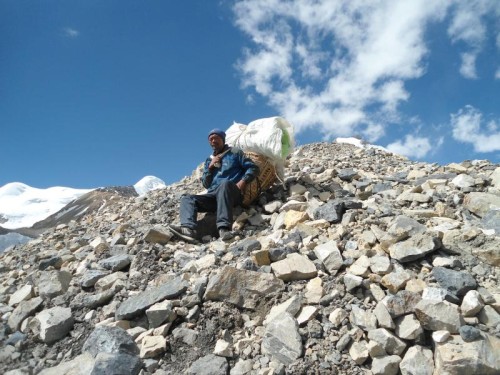
A significant portion of the cost of food is related to transportation. Porters, yaks, and mules carry fresh vegetables, rice, eggs, dairy products, bread, soft drinks, cooking supplies, and other essential goods from lower elevations to the teahouses along the trekking route. In some cases, even imported products and packaged foods must be transported in the same way.
The considerable effort, time, and expense involved in carrying supplies to these remote mountain settlements are the main reasons why the prices of meals and drinks increase as you ascend higher on the Langtang Valley Trek. By purchasing food at local teahouses, trekkers also help support the livelihoods of the people who live and work in this beautiful Himalayan region.
Foods to Avoid at High Altitude on the Langtang Valley Trek
When trekking at higher elevations in the Langtang Region, it is important to be mindful of your food and drink choices. High altitude can affect digestion and increase the risk of altitude-related discomfort. Choosing the right foods can help you stay healthy, maintain your energy levels, and support proper acclimatization throughout the trek.
For this reason, trekkers are generally advised to avoid the following:
- Meat dishes (chicken, buff, yak, and other meats) above Syabrubesi. Fresh meat is difficult to transport and store properly at higher elevations. As a result, meat products may not always be fresh, which can increase the risk of food poisoning or stomach-related illnesses.
- Commercial baked goods and pre-packaged sandwiches. These items may have been transported over long distances and stored for extended periods, reducing their freshness and quality.
- Alcoholic beverages. Alcohol can contribute to dehydration, disrupt sleep, and reduce your body's ability to acclimatize effectively at higher altitudes. It may also increase the severity of altitude sickness symptoms.
- Excessive coffee and caffeine consumption. While moderate amounts are generally acceptable, consuming too much caffeine may contribute to dehydration if adequate fluids are not consumed.
Instead, it is recommended to choose freshly prepared meals, drink plenty of water, and focus on carbohydrate-rich foods such as rice, potatoes, pasta, noodles, and soups. These foods provide sustained energy and are generally easier to digest at high altitude.
Making smart food and beverage choices can significantly improve your trekking experience and help support a safer and more comfortable acclimatization process on the Langtang Valley Trek.
Accommodation Cost on the Langtang Valley Trek
The cost of accommodation on the Langtang Valley Trek typically ranges from NPR 500 to NPR 1,500 per room per night, depending on the location, altitude, and facilities available. Most rooms are twin-sharing and are equipped with basic amenities, including a mattress, pillow, and clean blankets.
If you are trekking independently, accommodation prices are usually listed on the teahouse menu or displayed at the lodge. In most teahouses, bathroom and shower facilities are shared, although some lodges offer rooms with attached bathrooms at an additional cost.
We highly recommend that trekkers avoid bargaining over room rates. Teahouse owners and staff work hard to provide accommodation in remote mountain areas, where operating costs are high and supplies must be transported over long distances. Room charges help cover maintenance, cleaning, staff wages, and other operational expenses.
Fortunately, there are accommodation options available for a range of budgets, allowing trekkers to choose a teahouse that best suits their preferences and budget during the Langtang Valley Trek.
Food Cost on the Langtang Valley Trek
The cost of food on the Langtang Valley Trek varies depending on the location, altitude, and teahouse. In general, food prices increase as you gain elevation because all supplies must be transported to higher-altitude settlements by porters, yaks, or mules.
The price of a meal typically ranges from NPR 700 to NPR 1,500 per dish, which is generally sufficient for one person. For example, a plate of vegetarian Dal Bhat (a traditional Nepali meal) may cost around NPR 700 in Syabrubesi, while the same meal can cost approximately NPR 1,000 in Kyanjin Gompa.
If you are trekking independently, it is advisable to budget approximately:
- NPR 3,000 per day for meals
- NPR 500 per day for hot drinks
- NPR 500 per night for accommodation
Based on these estimates, the average daily budget for a solo trekker is around NPR 4,000 per day per person. This amount may vary depending on your food choices, beverage consumption, accommodation preferences, and personal spending habits.