Damodar Kunda Trek Cost Details
The cost of the Damodar Kunda Trek is more expensive than some other trekking routes due to the trek's duration, remote location, and restricted area. Different trekking agencies charge varying costs based on several factors, such as the duration of the trek, the level of service provided, and the group size.
Permits cost
- Upper Mustang Permit: USD 500 per person for the first 10 days, and USD 50 per person for each additional day.
- Annapurna Conservation Area Permit (ACAP): NPR 3,000 (approximately USD 25) per person.
- Trekking Information Management System (TIMS) Card: NPR 2,000 (approximately USD 15) per person for individual trekkers or NPR 1,000 (approximately USD 10) for organized trekkers through a trekking agency.
Guide Porter cost:- Costs for hiring guides and porters can vary, but on average:
- Guide: USD 25-35 per day
- Porter: USD 20-25 per day
- Camping Equipment and Support Staff: Costs for renting camping equipment (tents, sleeping bags, cooking gear) and hiring support staff (cooks, additional porters) can add up. This could be an additional USD 20-30 per day per person.
Transportation
- Flights: Flights from Pokhara to Jomsom and back typically cost around USD 150-200 each way.
- Ground Transportation: Costs for jeeps or other transportation within the trekking area can vary. Budget approximately USD 200-300 for the entire trip for transportation costs.
- Camping: Since the trek requires camping, the cost of food and accommodation is usually included in the trekking package. This can range from USD 50-70 per day per person, covering meals, camping gear, and other logistics.
- Personal Expenses: Souvenirs, additional snacks, tips for guides and porters, and other personal expenses. Budget around USD 200-300 for these items.
Total Estimated Cost: ~ USD 2,750-3,500 per person :- It's recommended to get detailed quotations from several reputable trekking agencies to compare and choose the best option that suits your needs and budget.
Best time to Damodar Kunda Trek
The best time for the Damodar Kunda Trek is during the months of May to September. During this period, the weather is relatively warmer and more stable, providing favorable conditions for trekking in this high-altitude region. The area is characterized by high-altitude terrains and lies in the rain shadow, resulting in moderate temperatures that are neither too hot nor too cold, making it comfortable for trekking.
Trekking during these months allows you to avoid the extreme cold of the winter and the excessive heat of the summer, providing a balanced and enjoyable trekking experience.
The Damodar Kunda Trek can be quite challenging during the months from October to April due to several factors:
- October to November: While October is generally considered one of the best months for trekking in many parts of Nepal due to clear skies and moderate temperatures, the Damodar Kunda region can start experiencing colder temperatures, especially at higher altitudes. By November, the temperatures can drop significantly, making it less comfortable for trekking.
- December to February: These winter months bring extremely cold weather and heavy snowfall in the high-altitude regions of the Damodar Kunda trek. Trekking during this time can be very challenging and risky due to harsh weather conditions, possible snow-covered trails, and the potential for avalanches.
- March to April: Early spring months can still be quite cold, especially in high-altitude areas. Snow may still cover parts of the trail, making trekking difficult. However, by late April, the weather begins to improve, and conditions become more favorable.
For a more comfortable and safer trekking experience, it’s recommended to plan your Damodar Kunda Trek from May to September, as these months offer more stable weather, moderate temperatures, and clearer trails. The months from October to April are not recommended for the Damodar Kunda Trek. At High Pass Adventure, we boast many years of experience, providing skilled trekking guides and robust porters for the Damodar Kunda Trek.
Required Permits & Permits cost for Damodar Kunda Trek
The Damodar Kunda Trek, located in the Upper Mustang region of Nepal, requires several permits due to its restricted area status such as Restricted Area permit (Upper Mustang Permits), Annapurna conservations Area Permit (ACAP Permit) and Trekkers' Information Management System (TIMS Card) Permit. All permits must be obtained through a registered trekking agency, and a minimum of two trekkers is required to apply for these permits. For treks in the Upper Mustang region, including Damodar Kunda, it's usually mandatory to trek with a registered guide.
Upper Mustang Trek Permit: Since the Damodar Kunda trek falls within the Upper Mustang region, you will need to obtain an Upper Mustang Restricted Area Permit. This permit is issued by the Department of Immigration in Kathmandu through a registered trekking agency and is required for all trekkers entering the region.
- Cost: The cost for the Upper Mustang Restricted Area Permit is USD 500 per person for the first 10 days. For any additional days beyond the initial 10 days, the cost is USD 50 per person per day.
ACAP Permit: This trekking route is part of the Annapurna Conservation Area. Therefore, you will need to obtain an ACAP (Annapurna Conservation Area Permit), which can be obtained at the Tourism Board at Bhrikuti Mandap through your trekking organizer agent.
- Cost for Foreign Nationals: NPR 3,000 per person (approximately USD 25).
- Cost for SAARC Nationals: NPR 1000 per person (approximately USD 8).
Trekkers' Information Management System (TIMS) Card: While the need for a TIMS card has been waived for many restricted areas, it's always best to check the latest requirements. The TIMS card can be obtained at the Tourism Board through your trekking organizer agent.
- Cost for all Nationals: NPR 2,000 per person (approximately USD 16).
Damodar Kunda Trek requires Teahouse and four night Camping?
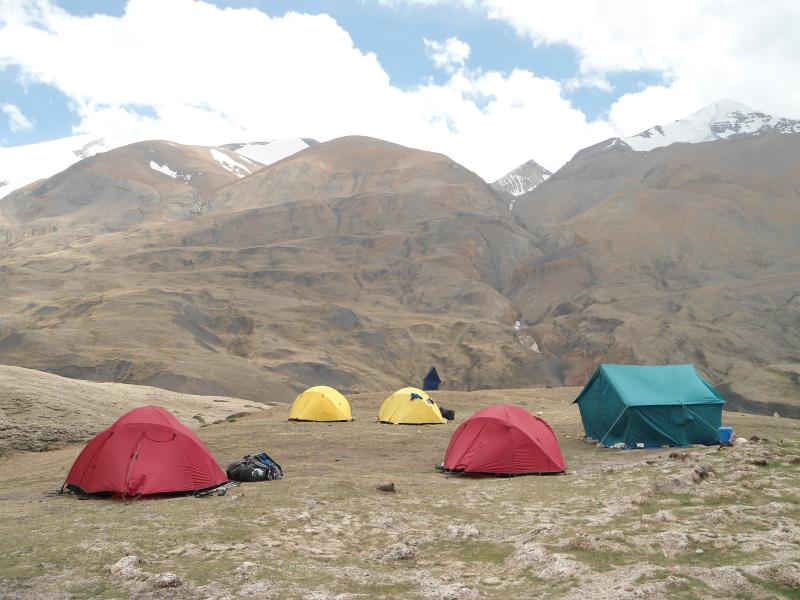
The Damodar Kunda Trek is a remote and less-traveled trekking route in the Mustang region of Nepal, close to the Tibetan border and the way to Saribung Pass and Peak. After crossing the Saribung Pass, you can reach the Nar Phu Valley of Manang. Due to its remote location, limited infrastructure, and lack of settlements, the trek typically requires camping above Yara village. However, you can do a teahouse trek until Yara village.
From Yara Village, you need to camp for two nights to reach Damodar Kunda Lake, where you will also camp overnight. On the return journey, only one night of camping is required before reaching Yara Village. This means a total of four nights of camping is necessary for the Damodar Kunda Trek.
Trekkers need to be self-sufficient and carry all necessary camping gear, including tents, sleeping bags, cooking equipment, and food supplies. Guides are compulsory for this trek, so a team of guides, porters, and cooks will accompany the trekkers to set up camps, prepare meals, and ensure a smooth and safe trekking experience.
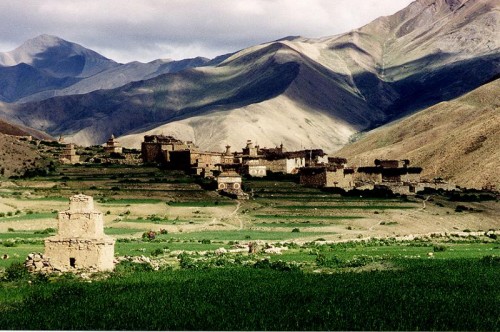
Until Yara Village, there are enough teahouses for accommodation and food. The trek takes you through Jomsom, Kagbeni, Ghami, Charang, Lomanthang, and Ghami.
Damodar Kunda Trek Difficulty
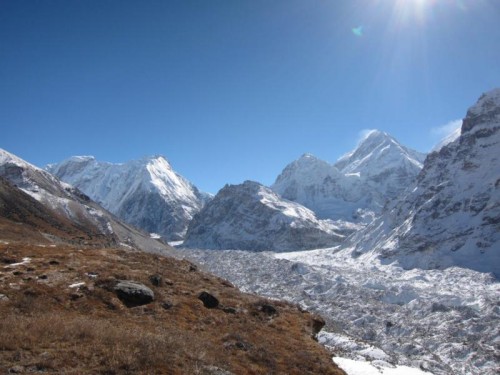
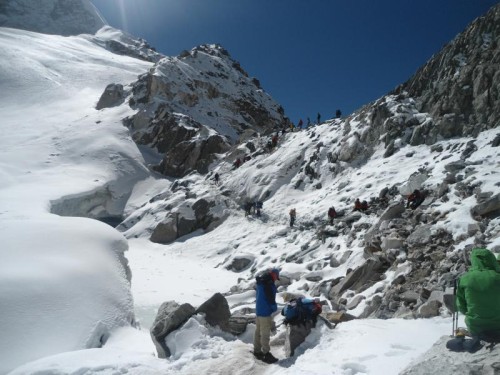
The Damodar Kunda Trek is considered challenging due to several factors, including high altitude, remote and rugged terrain, camping requirements, and weather conditions. The trek reaches altitudes of over 5,000 meters (16,404 feet) at Damodar Kunda, where altitude sickness can occur, necessitating proper acclimatization and physical fitness.
Trail conditions are often rugged and less maintained compared to popular trekking routes, with rocky paths, steep ascents, and descents. The trek requires good physical fitness and prior trekking experience, especially at high altitudes, with 5 to 8 hours of walking per day. Stamina and endurance are essential for these long days of hiking.
Medical facilities and rescue services are far due to the trek's remoteness, adding to the difficulty of self-rescue. The lack of settlements along the route means camping is necessary, requiring trekkers to carry all necessary gear and supplies, including tents, sleeping bags, and food. A reliable support team of guides and porters is essential for handling logistics, such as setting up camps and preparing meals, adding to the trek's challenges.
Weather is a crucial factor in completing the trek successfully, as mountain weather is changeable and there are no teahouses for shelter. If bad weather occurs, it can be difficult to set up camp.
Overall, proper preparation, both physically and mentally, along with a well-planned itinerary and support team, are essential for successfully completing the Damodar Kunda Trek and having a safe and enjoyable trekking experience.
Packing list for Damodar Kunda Trek
Packing for the Damodar Kunda Trek requires careful consideration of the challenging terrain, high altitudes, and variable weather conditions due to its remote and challenging nature. Be sure to pack all the necessary clothing, gear, and personal items to have everything you need while keeping your pack as light as possible. Only bring the necessary things, and remember that you can rent or purchase trekking gear in Kathmandu if you don't have everything you need. Remember to pack light and efficiently, as you will be carrying everything on your back throughout the trek.
Clothing:
- Moisture-wicking base layers
- Insulating mid-layers
- Waterproof and windproof outer layers (jacket and pants)
- Trekking pants and shorts
- Thermal underwear
- Fleece jacket or pullover
- Down jacket for colder days
- Trekking socks (synthetic or wool)
- Warm hat and sun hat
- Gloves or mittens
Footwear:
- Sturdy trekking boots with ankle support
- Camp shoes or sandals for relaxing
Gear:
- Backpack (50-70 liters)
- Sleeping bag (rated for 0°C to -15°C)
- Sleeping pad
- Trekking poles
- Headlamp with extra batteries
- Sunglasses with UV protection
- Water bottles or hydration system
- Quick-dry towel
- Personal toiletries: - Toothbrush, toothpaste, biodegradable soap, etc.
- Sunscreen and lip balm with SPF
- Insect repellent
Personal Items:
- Personal medication and first aid kit
- Prescription glasses or contact lenses
- Camera with extra batteries
- Power Bank for battery charge,
- Portable Charger: For charging electronic devices.
- Journal and pen
- Snacks (energy bars, nuts, etc.)
Miscellaneous:
- Money (for tips, souvenirs, etc.)
- Passport
- Travel insurance documents
- Guidebook and maps
- Multi-tool or knife
- Duct tape (for gear repairs)
- Waterproof bags or covers for electronics
High altitude sickness information
Mountain sickness is another name for high altitude sickness. You must be aware of high altitude sickness symptoms since they arise rapidly if you hike or ascend to a higher elevation. Here are some details if you're curious as to why it occurs. The air pressure is the main cause of altitude sickness. Your body needs time to adapt to the shift in air pressure when you travel to higher elevations since the air pressure decreases and there is less oxygen present. According to doctors, If you are at sea level, it begins at 8,000 feet (2400 meters).
1) Types
There are three types of altitude sickness:
Acute Mountain Sickness (AMS): it is very common and symptoms feel like a tiredness, dizzy, headache, thirsty, muscle aches, nausea
High Altitude Pulmonary Edema (HAPE): it is effect in the lungs, which can be very dangerous and hard to do life threatening
High Altitude Cerebral Edema (HACE): it is effective in the brain and most difficult to treat and you need to go to hospital attention the right way.
2) Cause
Following are the causes of high altitude sickness:
- Generally living near sea level and travel to a high elevation
- Had the sickness before
- Climbing quickly
- Not being acclimatized to the altitude
- Drinking alcohol when you ascend
- Medical problems of heart, nervous or lungs
3) Symptoms
These symptoms will appear depending on your speed to climb and how hard you push. Symptoms range from normal to serious. They can affect the nervous system, lungs, muscles, and heart.
Here are symptoms of High Altitude Sickness:
- Difficulty sleeping
- Dizziness
- Fatigue
- Headache
- Loss of appetite
- Nausea or vomiting
- Rapid Pulse (Heart Rate)
- Short breath with action
- Blue color of skin or gray soft skin
- Chest tightness or blocking
- Confusion
- Dry cough or coughing with blood
- Cannot walk in a straight line
4) Prevention
Important keys to preventing of High Altitude Sickness are:
- Climb the mountain gradually.
- Stop every 2,000 feet (600 meters) of climb above 8,000 feet (2,400 meters) and one or two nights sleep there.
- Sleep at a lower altitude when possible.
- Make sure that you have the ability to quickly descend if needed.
- Learn how to recognize early symptoms of mountain sickness.
- If you plan on climbing quickly, or climbing to a high altitude, ask your provider about medicines that may help.
- If you are at risk for a low red blood cell count (anemia), ask your provider if your planned trip is safe. Also ask if an iron supplement is right for you. Anemia lowers the amount of oxygen in your blood. This makes you more likely to have mountain sickness.
5) While climbing, you should follow these rules:
- Drink plenty of water
- Climb slowly.
- Take it easy
- Do not drink alcohol.
- Eat regular meals that are high in carbohydrates.
- Sleep lower elevation
- Take a medication (diomax) according to doctor