Kanchenjunga Base Camp Trek location
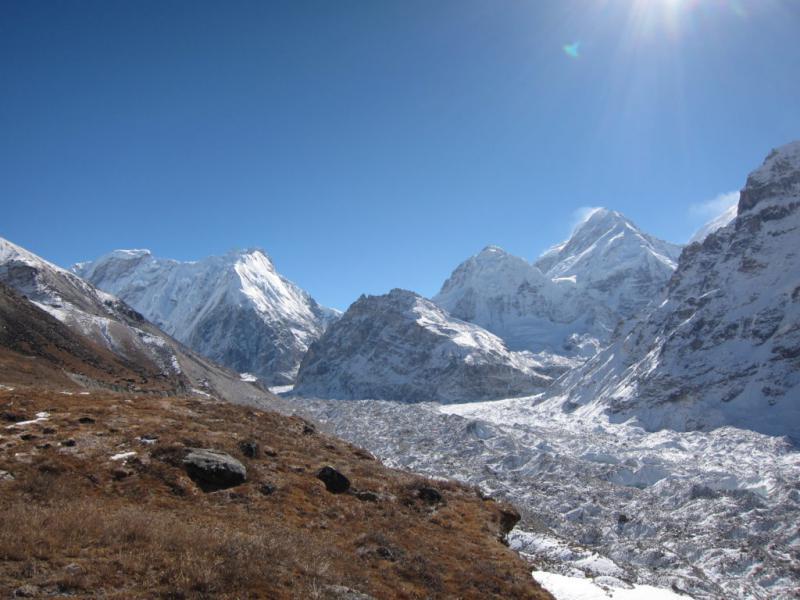
The Kanchenjunga Base Camp Trek is located in the eastern part of Nepal, within the Kanchenjunga Conservation Area of the Taplejung District, which borders Sikkim, India, to the east and Tibet to the north. The trek takes you to the base camp of Kanchenjunga, the third-highest mountain in the world, standing at 8,586 meters (28,169 feet). This mountain is revered by both locals and climbers.
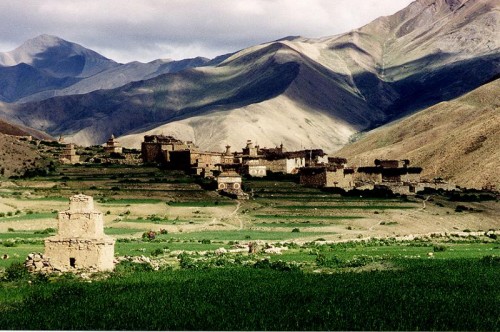
The trek begins in the village of Suketar, which is accessible by a short flight from Kathmandu to Taplejung. The typical trekking route passes through lush rhododendron forests, alpine meadows, and remote villages, offering stunning views of the surrounding peaks, including Makalu and Everest. Most trekkers start their journey from Suketar, which can be reached via a flight from Kathmandu to Taplejung. The trek usually takes about 17 to 22 days, depending on the chosen route, group size, acclimatization schedule, and your pace.
Information on Kanchenjunga Conservation Area Project
The Kanchenjunga Conservation Area Project (KCAP) is a significant initiative aimed at preserving the unique biodiversity and cultural heritage of the Kanchenjunga region in Nepal. The Kanchenjunga Conservation Area is named after Mt. Kanchenjunga (8,586m), the second-highest mountain in Nepal and the third-highest in the world. It was designated as a conservation area in March 1998 and covers an area of 2,035 sq. km in the Taplejung District, located in the northeast corner of Nepal. The Taplejung District is also renowned for its high peaks, including eleven that exceed 7,000 m, and glaciers.
The conservation area, characterized by its unique mountain ecosystems, is envisioned as a tri-national peace park, bordered by the Tibet Autonomous Region (TAR) of China to the north and Sikkim, India, to the east. Sikkim already has Khangchendzonga National Park adjoining the Kanchenjunga Conservation Area, while the extension of Qomolungma Nature Reserve in TAR to encompass the land bordering the conservation area is currently in progress on the Chinese side. In April 1997, the Government of Nepal declared the Kanchenjunga region as a Gift to the Earth as part of WWF’s Living Planet Campaign 2000.
The project aims to protect the rich biodiversity of the region, including numerous endemic and endangered species such as the red panda, snow leopard, and various bird species. The KCAP promotes sustainable development practices to ensure that local communities benefit from conservation efforts. This includes eco-tourism, sustainable agriculture, and resource management. The area is rich in ethnic diversity, predominantly inhabited by the Limbu, Tamang, and Bhotia communities. The project emphasizes the preservation of local cultures, traditions, and knowledge systems.
How to go the Kanchenjunga north and south Base Camp?
Reaching Kanchenjunga Base Camp (both North and South) requires careful planning due to its remote location, long duration, less-traveled routes, and rugged terrain. The Kanchenjunga Mountain stands at the border of Tibet and India in eastern Nepal, so getting there involves either road travel or air travel to Taplejung, which is the trekking starting point for the Base Camp.
You can fly from Kathmandu to Suketar (Taplejung) with a domestic airline, typically involving a flight to Biratnagar first. The flight duration is approximately one hour, followed by a short drive to Taplejung. Sometimes, you may be able to fly directly from Kathmandu, but this would require chartering a flight. Alternatively, you can take a long bus ride from Kathmandu to Bhadrapur or Biratnagar, followed by a local jeep or bus to Taplejung. This route takes about 24 to 30 hours.
From Taplejung, you begin your journey to Kanchenjunga Base Camp, passing through Lali Kharka, Amjilasa, Ghunsa, and Khangbachen to reach the Kanchenjunga North Base Camp. This part of the trek typically takes 7 to 9 days. For the Kanchenjunga South Base Camp, you will need to return the same way to Ghunsa before heading up to the Kanchenjunga North Base Camp via the Sele Le Pass. From Ghunsa, this leg of the trek takes about 5 days.
To easily navigate both Base Camps, it is advisable to hire an experienced trekking guide and secure the necessary permits.
Best time for Kanchenjunga North South Base Camp Trek
The best times to trek to Kanchenjunga North and South Base Camps are during the spring (March to May) and autumn (September to November) seasons. Both season offering the most favorable weather conditions and stunning natural beauty. The visibility is excellent, making it a great time for photography and enjoying the scenery. If you are planning a trek to the Kanchenjunga North and South Base Camps, you need to choose the best time and season to explore this wonderful region and complete the trek successfully without any issues.
- Spring Season (March to May)
During this time, the temperatures are generally mild, making trekking more comfortable. Days are warmer, while nights can be chilly, especially at higher altitudes. The flora is in full bloom, creating beautiful landscapes. Clear skies provide excellent visibility for stunning views of Kanchenjunga and the surrounding peaks. However, the weather can still be unpredictable, especially in March, so be prepared for potential snowfall at higher elevations.
- Autumn Season (September to November)
During this time, the weather is generally stable, with cool temperatures and clear skies. Days are pleasant for trekking, while nights become colder as you ascend. Visibility is excellent, making it a great time for photography and enjoying the scenery. The trails are less muddy than during the monsoon season, making the trek easier. October is often the busiest month, so you can expect more trekkers on the trails.
- Winter (December to February)
This time is not recommended for trekking; however, some experienced trekkers may enjoy the solitude. Winter trekking in Kanchenjunga can be harsh, as heavy snowfall and cold temperatures can make the trails difficult and increase the risk of avalanches. Even experienced trekking guides with proper gear may find it challenging to reach the Kanchenjunga north and South Base Camps due to snow, and teahouses may be closed.
- Monsoon Season (June to August)
The monsoon season is also not recommended for trekking because this period is marked by heavy rainfall, making the trails slippery and increasing the risk of landslides. Visibility can be poor due to clouds and rain, making it difficult to find the trails because of the grassy and bossy land. Additionally, you may encounter leeches, and many teahouses will be closed, which complicates the trek for these reasons.
Requires Permits and Permits cost for Kanchenjunga Trek
The Kanchenjunga Base Camp Trek is located in a restricted area within the Kanchenjunga Conservation Area. Therefore, visiting this area requires a minimum of two people to obtain the necessary permits, and you must go through a registered trekking agency with a government-licensed holder. It is known for its remote sector, offering simple accommodations and food. The Kanchenjunga Region is protected by the Kanchenjunga Conservation Area Project (KCAP), and all trekking activities are regulated by the government of Nepal. Consequently, you will need permission to trek in this region. The permit cost for trekking in the Kanchenjunga region depends on the number of days and the time of year. Different types of permits are issued by the Government of Nepal through authorized trekking agencies. The required permits for the Kanchenjunga Base Camp Trek are as follows:
Kanchenjunga Restricted Area Permit (KRAP): The cost varies depending on the season and the number of days.
- Cost: USD 20per person for the first 3week and an additional USD 10 each day for all foreign nationality
Kanchenjunga Conservation Area Permit (KCAP): Required for trekking within the Kanchenjunga Conservation Area.
- Cost: SAARC Nationals' entry fee is 1000 (one thousand) Nepali Rupees per person and 3000 (three thousands) Nepali Rupees for others all foreign nationality
TIMS (Trekkers Information Management System) Card
- It Cost US$ 20 per person/ per Trek for all foreign nationality
Accommodation in Kanchenjunga Trek
Nowadays, the Kanchenjunga Base Camp Trek is a tea-house trek, but there aren't enough accommodations for large groups. Since the route is less traveled, there is typically enough space for 20 to 30 people per day. The trek is becoming more popular, with additional rooms and accommodations being added along the Kanchenjunga trekking trail each year. As a result, you can usually find comfortable accommodation. However, at Khambachen and around the Sele Le Pass, near Kanchenjunga south Base Camp, teahouses are limited. During peak season, it can be difficult to find the best accommodations, so advance booking is recommended, which your guide can arrange for you. Almost all teahouses strive to provide the best service for travelers.
Normally, lodges have private rooms (2 beds per room) with shared indoor bathrooms, except at Khambachen and around the Sele Le Pass, where accommodations are more like dormitory rooms. There are no luxury lodges like those found on the Annapurna Circuit or Everest Base Camp treks. Teahouses also offer hot showers for an additional fee. Charging electronic devices is usually available for a fee, but it's recommended to carry a power bank.
Food in Kanchenjunga Trek
Food during the Kanchenjunga North and South Base Camp Trek is primarily provided by the teahouses along the trail. Every teahouse has a menu, and while the food options are similar at each location, the selection is limited. You can choose from the menu based on your preferences. Many teahouses grow fresh vegetables in their gardens and serve them to customers, especially at lower altitudes.
The cooks are generally trained, and in some places, teahouses are run by families. However, the taste of the food might differ slightly from Western cuisine. Fresh meat is difficult to find in the Kanchenjunga region due to its remote location, so it is advisable to stick to a vegetarian diet, especially at higher elevations.
Breakfast:
- Porridge:Oatmeal or other grain-based porridge.
- Bread:Tibetan bread, chapati, or toast with jam, honey, or peanut butter.
- Eggs:Boiled, scrambled, fried, or in an omelet.
- Pancakes:Often served with honey, Jam or chocolate spread.
- Tea/Coffee:Local tea, black tea, green tea, or instant coffee.
Lunch and Dinner:
- Dal Bhat:A traditional Nepali meal consisting of rice, lentil soup (dal), vegetable curry, and sometimes meat. It is highly recommended due to its balanced nutrition and energy content.
- Noodles:Fried noodles, noodle soup, or Thukpa (Tibetan noodle soup).
- Rice Dishes:Fried rice or rice with curry.
- Momos:Nepali dumplings filled with vegetables or meat, served steamed or fried.
- Pizza:Basic pizza, often with a thick crust and limited toppings.
- Pasta:Simple pasta dishes like spaghetti or macaroni with sauce.
- Soups:Various soups, including garlic soup (recommended for altitude sickness prevention), vegetable soup, and tomato soup.
Recommendations
- Dal Bhat Power:As the saying goes, "Dal Bhat Power, 24 Hour!" It's a nutritious and filling option that provides sustained energy for trekking.
- Hydration:Stay well-hydrated by drinking plenty of water, tea, and soup.
- Energy Boosters:Carry high-energy snacks like nuts, chocolate, and dried fruits to maintain energy levels during the trek.
Drinking water in Kanchenjunga Trek
Safe and clean drinking water is an important factor during the trekking in Himalayas as Kanchenjunga Base Camp Trek. Staying hydrated is essential for successfully completing the trip, especially at high altitudes. Bottled water is available in teahouses and shops along the trek, but prices increase as you ascend, typically ranging from NPR 100 to NPR 500 per liter.
We normally recommend that all trekkers bring a water bottle due to the high environmental impact of plastic waste in the mountains. Teahouses provide boiled water for an extra fee, typically ranging from NPR 200 to NPR 400 per liter. Therefore, bringing a water bottle is highly recommended for all trekkers.
There are natural water sources available, such as streams, rivers, and tap water in many places along the trek, but this water should always be purified before drinking. For water purification, you can use water purification tablets, water filters, or UV purification. You can also ask your guide for information about safe drinking water during the Kanchenjunga North south base camp Trek.
Kanchenjunga Base Camp Trek Cost
The cost of the Kanchenjunga Base Camp Trek for a 20-22 day itinerary, including an additional 3 nights in a Kathmandu hotel, varies based on factors such as the level of service, group size, transportation, trekking duration, and the trekking agency you choose. However, our charges range from USD 1500 to USD 2000 per person. This price includes 3 nights' accommodation in Kathmandu, necessary transport as per the itinerary, all trekking permits, guide and porter salaries (including their insurance), and three meals per day with one cup of tea or coffee per meal for all trekkers.
Please note that the overall cost may be higher than the base price due to additional expenses such as extra food, drinks, hot showers, Wi-Fi, and other unforeseen costs. If we break down the detailed costs, the total may appear more expensive than our base price because all expenses are combined together
Communication in the Kanchenjunga Trek
The Kanchenjunga Base Camp Trek is becoming a popular trekking destination in Nepal due to its cultural and natural beauty. There are good mobile network services in the lower areas, but no coverage in the higher regions. Similarly, internet service is available in the lower areas where the mobile network works, but it is not reliable in the higher areas. In some places where internet service is available, teahouses and lodges offer it for an extra charge.
If both mobile and internet services are unavailable, our guide can assist you in passing messages to your family, as our guides always carry a cellular phone and regularly contact our Kathmandu trekking office to provide updates on the trek and your health condition. We are prepared to help with any issues that may arise during the trek.
Traveling is an important part of life, and we ensure you stay safe and healthy during your trekking in Nepal. Nowadays, you can obtain a local SIM card at Kathmandu airport upon arrival to access 3G and 4G internet services, as most trekking routes in Nepal have mobile network coverage. If you need a Nepali SIM card, we can provide one for your trek; just let us know before you leave for the trek.
Kanchenjunga Base Camp Trek difficulty
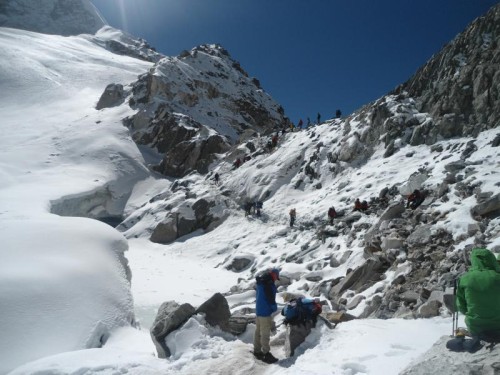
The difficulty level of the Kanchenjunga Base Camp Trek is considered moderate to challenging due to its long duration and remote location. This trek involves a variety of terrain, including steep ascents and descents, rocky paths, and possibly some snow-covered sections, especially around Kanchenjunga North, South Base Camp, and Sele La Pass. Weather conditions can be highly changeable along the trekking route, especially at higher elevations, with cold temperatures and the possibility of snowfall. These factors contribute to making the trek physically and mentally challenging.
The trail is well-maintained in the main areas, featuring a mix of uphill and downhill terrain at progressively increasing altitudes. This trek typically takes 18 to 19 days. Good fitness is required, along with overall health, physical fitness, and mental preparedness to ascend over 5000 meters. Some experience in multi-day hiking or trekking is beneficial for the Kanchenjunga Trek.
The walking distances in the itinerary are manageable, taking you through farmland, local villages, and lush rainforests, with a gradual increase in altitude. Starting in Taplejung, where you'll spend your first night, the trek ascends over 5000 meters, making the trail more challenging due to significant altitude gain and rugged terrain, but it is generally not extreme. Proper acclimatization days, such as staying in Ghunsa or other locations, help trekkers adjust to the elevation and minimize the risk of altitude sickness.
The trek to Kanchenjunga Base Camp, which leads to the third-highest mountain in the world, is definitely not simple, as some parts of the trail can be prone to landslides and avalanches. Snowfall and rainfall can make the trek more challenging, so it is important to prepare with the proper seasonal equipment. Having an experienced guide and a strong porter is highly recommended for successfully completing the Kanchenjunga Trek without difficulties. A guide will provide valuable information and assistance, while a porter will carry your luggage, making your trip to Kanchenjunga Base Camp more enjoyable and hassle-free.
Acclimatization day to reduce the Altitude Sickness for Trek
An acclimatization day is necessary during the Kanchenjunga Base Camp Trek because of its long duration and high-altitude terrain, including the North and South Base Camps of Kanchenjunga and Sele La Pass. The trek starts at low elevations and gradually climbs over 5000 meters, passing through several villages and high-altitude areas. As you ascend, oxygen levels and air pressure decrease compared to sea level. Once you reach an altitude above 3,500 meters, you may experience symptoms of altitude sickness, such as nausea, vomiting, diarrhea, headaches, loss of appetite, tiredness, dizziness, and sleeplessness.
Ghunsa and other locations serve as acclimatization rest days in our itinerary. These rest days help prevent altitude sickness and allow you to adapt to the environment. If you experience any symptoms of altitude sickness during the Kanchenjunga Base Camp Trek, it is important to address them immediately to avoid difficulties in completing the trek. To prevent these issues, you should follow your guide's instructions, as they are knowledgeable about high-altitude sickness.
When ascending on the KanchenjungaBase Camp Trek from Ghunsa Village, be honest with your guide about how you are feeling. Your guide will advise you to walk slowly and may suggest that you sleep at a lower altitude before ascending further. This practice, known as acclimatization, helps reduce the risk of altitude sickness.
To prevent altitude sickness, you should follow the itinerary closely, as proper acclimatization helps your body adapt to higher elevations. Additionally, stay hydrated by drinking plenty of water, eat a well-balanced diet with sufficient carbohydrates, maintain a comfortable pace, and avoid alcohol and sedatives. By adhering to these guidelines, you can reduce the risk of altitude sickness and have a safer and more enjoyable trek on the Kanchenjunga Base Camp Trek. However, if you continue to feel unwell despite following these recommendations, you should return to a lower altitude.
Travel Insurance for Kanchenjunga Trek
When planning a trek to Kanchenjunga Base Camp or other trekking routes in Nepal, obtaining comprehensive travel insurance is crucial for ensuring your safety and protection during your adventure. The difficulty levels of trekking in the Himalayas range from easy to tough. Due to the changing Himalayan climate, there is a risk of high altitude sickness and potential mishaps.
If an accident occurs during your trip and requires medical attention or evacuation, the cost of returning to a city and receiving treatment can be significant and quite expensive. Therefore, you must ensure that your insurance covers the cost of an air ambulance, medical care, and any risks associated with travel, such as delayed flights and lost, stolen, damaged, or missing baggage.
Your insurance policy should cover your entire itinerary while visiting Nepal, including hikes above 5,500 meters. If not, you will be responsible for any unforeseen costs associated with your trek in Nepal. Carefully review the terms and conditions of your policy, including exclusions and coverage limits. Pay special attention to the claims process and what documentation you may need in case of a claim.
All trekkers must send a copy of their comprehensive travel insurance certificate to High Pass Adventure as part of the booking process for trekking and climbing in Nepal. All our trekking crew members are insured for emergencies.
Tipping information
The trekking and climbing guide, as well as the porter, is essential to the success of the trip, ensuring that it is completed smoothly and without issues. Tipping is an important aspect of trekking in Nepal, as it acknowledges and appreciates the hard work of the local staff that assists you throughout your journey. It is customary to tip at the end of the trek, and you should gather all team members (guide, porter, assistant guide) together to distribute the tip. Tips are generally given in cash, preferably in US dollars or Nepalese rupees, and it is best to use small denominations to facilitate easier distribution
While the typical guideline is to tip around 10% of the total payable amount, you can adjust this based on the quality of service provided. Recommended tipping amounts are as follows:
- Guide: $12-$15 per day
- Porter: $8-$10 per day
- Assistant Guide: $8-$12 per day
These tips are highly recommended to motivate the team and reward them for their outstanding service, contributing to a memorable and inspiring experience. Your tips help to recognize their hard work and dedication.
Trip extension
If you have extra time after completing the Kanchenjunga trek, you can do different activities or different short treks in Nepal. We have many short tour packages and adventure activities such as Chitwan National park and Bardiya National Park for Jungle safari tours. You can visit Pokhara city, Nagarkot Hiking, and Dhampus on hiking or day Rafting trips in the Trisuli River.
Adventure activities are paragliding, canoeing, Ultra light flight, Bungee Jump, and Mountain Biking. All packages are extra activities as optional tours and are not included in your package cost. If you will do these activities after the trip with us, we arrange them at a reasonable cost and we give you a good discount.
Trekking Gear List
Travel equipment is essential to pack before your trip. Below is the recommended packing list. We understand it may seem like a lot to carry from home, so we suggest packing light and bringing only the necessary items. If you’re missing something, you can hire or buy it in Kathmandu, especially around Thamel.
These general items are suitable for all seasons while trekking in Nepal, but the list may vary depending on the season and the duration of your chosen trek. Therefore, it’s important to ask your trekking organizer for a detailed packing list specific to your trek. They will provide you with clear information about what to bring.
Documents:
- Passport and 4 passport-size photos
- Travel insurance details (in case an emergency evacuation, if needed)
- Boarding passes for flights
- Driver’s license (if needed)
- Cash USD
- Credit/Debit Card (Ensure you have $500 on your card in case an emergency helicopter evacuation is needed)
Sleeping:
- Sleeping bag (Comfort rating -15 Celsius recommended)
- Sleeping bag liner (Optional)
Footwear:
- Trekking boots: one pair of lightweight
- Sandals for city and tea house footwear
- Shoes for the plane and tea houses (Optional)
- Gaiters for hiking in winter to the base camp
- Thin, lightweight inner socks
- Thick, warm wool hiking socks
Clothing for the body:
Please make sure that you have non-cotton clothing for trekking.
- Base-layer t-shirts (e.g. running t-shirts)
- Fleece/Windproof jacket
- Waterproof jacket
- Down jacket for warmth
- Travel clothes and City Wear
- Underwear
- Base-layer trousers (optional)
- Waterproof trousers
- Trekking trousers
- Trekking shorts (Optional)
- Gloves and wool hat
- Bandanna or scarf
Health Requirements (Basic First Aid Kit)
- First-aid kit; should contain lip salve, Aspirin, Band-Aids, anti-histamine, Imodium, or similar tablets for mild cases of diarrhea
- Re-hydration powder, extra prescription drugs you may be taking if any particular
- Wet wipes for cleaning can be purchased in Kathmandu
Others:
- Sunglasses and Sun cream
- Towel
- Book (reading and writing materials)
- MP-3 /Music, headphones, and ear plug (who knows some people in the group are snoring) as optional.
- Travel wash
- Hand sanitizer, wet wipes
- A day bag: 35 liters
- A duffel or rucksack with straps to go over your back (Max 12 kg of weight for porters to carry)
- Dry Liner or Dry Bag
- Water bottle/thermos/ camel bag: At least 2 L. Nalgene bottles best.
- Power Bank
- Small solar panel
General Toiletries
- Toilet papers/ tissue
- Contact lenses, Glasses (if needed)
- 1 medium-sized quick drying towel
- Toothbrush/paste (preferably biodegradable)
- Multipurpose soaps (preferably biodegradable)
- Nail clippers
- Face and body moisturizer
- Feminine hygiene products
- Small mirror
- On Personal Hygiene
- Wet wipes (baby wipes)
- Anti-bacterial hand wash
Others (optional)
- Trekking Poles
- Large plastic bags – for keeping items dry inside your kit/duffel bag
- Travel games i.e. chess, backgammon, and scrabble. (for luxuries)
- Binoculars (for luxuries)
- Trail Map/Guide book (if you are alone)