Best time for combination Manaslu and Annapurna Circuit Trek
The best time for a combination of the Manaslu Circuit and Annapurna Circuit trek in Nepal is during the autumn (September to November) or spring (March to May). These months offer the most favorable weather conditions and clear skies, making trekking more enjoyable and providing excellent views of the surroundings landscape and Himalayas.
Autumn (September to November): This season offers stable weather, clear skies, and stunning views after the monsoon season. The trails are usually dry, and the temperatures are pleasant, making it a perfect time for trekking to Manaslu and Annapurna Circuit Trek.
Spring (March to May): Another excellent time for the combined trek, as the weather begins to warm up, and the flora blooms, creating beautiful landscapes. Trails are alive with rhododendron blooms at higher elevations. Days are generally warm, and the skies remain clear.
Both seasons provide good visibility, making the trekking experience more enjoyable and offering breathtaking views of the mountains and surroundings landscapes. However, be prepared for potentially crowded trails during these peak trekking seasons, especially in popular areas like the Manaslu Circuit and Annapurna Circuit.
Manaslu and Annapurna Circuit Trek Difficulty
Manaslu Circuit and Annapurna Circuit treks in Nepal are both renowned for their stunning landscapes and cultural experiences. Both treks are physically demanding due to their length and elevation gains, requiring a good level of fitness and proper acclimatization.
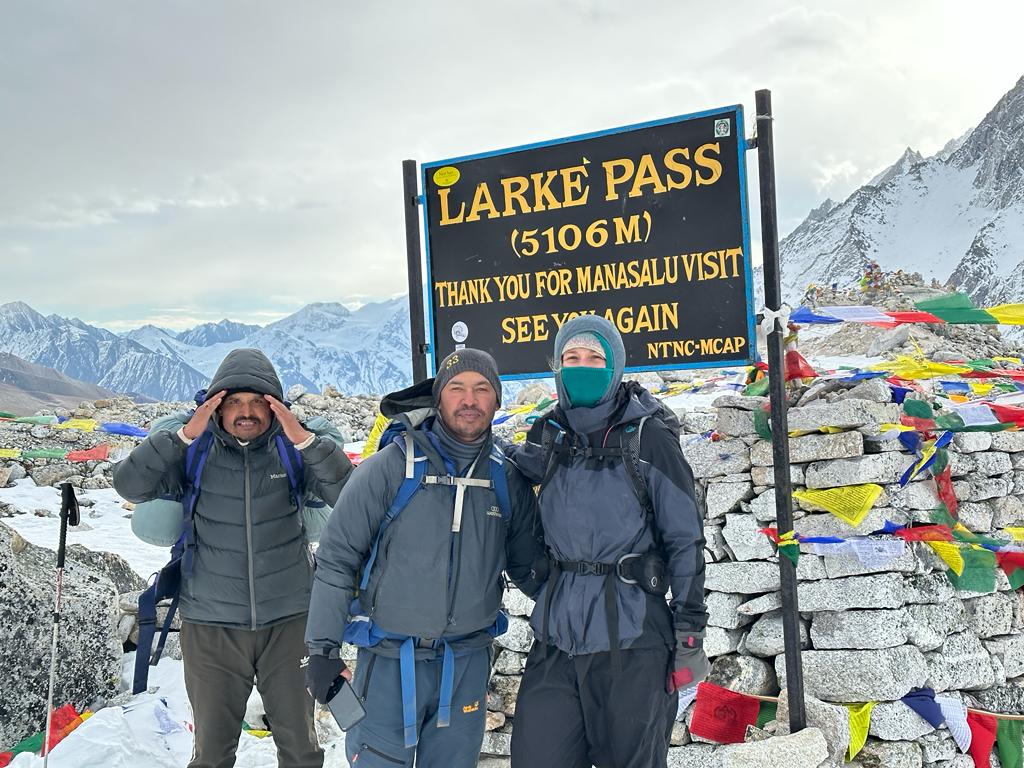
The higher elevations 5,106 meters at Larke- La and 5416 meters at Throng-La, need to proper plan to cross these pass and it’s very important to drink much water and need plenty of rest to let your body adjust naturally to the increased altitude.
However, the Manaslu Circuit is often considered more remote and challenging due to fewer facilities and the need for specific permits. It's always recommended to prepare well, acclimatize properly, and need to hiring a guide or joining a trekking group for safety and support.
Rest assured, your local trekking guide will ensure your seamless adjustment and a safe, fulfilling trek through the Nepal Himalayas. Additionally, for those seeking a greater challenge or simply wishing to extend their stay amidst these stunning landscapes, we take pride in offering an array of alternative routes in Nepal with budget tailored packages.
Acclimatization day to reduce the Altitude Sickness for the Trek
An acclimatization day is necessary during the combining Manaslu and Annapurna Circuit Trek because it is located in high-altitude terrain, with Larke Pass at 5,106 meters and Throng Pass at 5,416 meters. The trek starts at 750 meters Soti Khola and you gradually climb to 5,106 meters at Larke Pass and again climb the 5,416 meters at throng pass, passing through several villages and high-altitude places. As you ascend, oxygen levels and air pressure decrease compared to sea level. Once you reach an altitude above 3,000 meters, you may experience symptoms of altitude sickness, such as nausea, vomiting, diarrhea, headaches, loss of appetite, tiredness, dizziness, and sleeplessness.
So, Samagaun for the Manaslu Circuit Trek and Manang is for the Annapurna Circuit Trek are our acclimatization rest days in our itinerary. These rest days help prevent altitude sickness and allow you to adapt to the environment. If you experience any symptoms of altitude sickness during the combining Manaslu and Annapurna Circuit Trek, it is important to address them immediately to avoid difficulties in completing the trek. To prevent these issues, you should follow your guide's instructions, as they are knowledgeable about high-altitude sickness.
When ascending on the trekking from Lho Village, be honest with your guide about how you are feeling. Your guide will advise you to walk slowly and may suggest that you sleep at a lower altitude before ascending further. This practice, known as acclimatization, helps reduce the risk of altitude sickness.
To prevent altitude sickness, you should follow the itinerary closely, as proper acclimatization helps your body adapt to higher elevations. Additionally, stay hydrated by drinking plenty of water, eat a well-balanced diet with sufficient carbohydrates, maintain a comfortable pace, and avoid alcohol and sedatives. By adhering to these guidelines, you can reduce the risk of altitude sickness and have a safer and more enjoyable trek on the combining Manaslu and Annapurna Circuit. However, if you continue to feel unwell despite following these recommendations, you should return to a lower altitude.
Combined Manaslu and Annapurna circuit trek cost details
The cost of a combined Manaslu and Annapurna Circuit trek is varying based on several factors, including duration, services included, group size, and the level of comfort you seek during the trek.
Permits and Fees:
Manaslu Restricted Area Permit: USD 75 -100 per week (depending on the season) and an additional USD 10 - 15 each day
Manaslu Conservation Area permits (MCAP): USD 30 for whole trek
Annapurna Conservation Area Permit (ACAP): USD 30 for whole trek
TIMS (Trekkers' Information Management System) Card: USD 20
Guide and Porter Costs:
Hiring a licensed guide can cost approximately USD 25-35 per day.
Porters' fees vary but could range from USD 20 – 30 per day, depending on the load they carry.
Accommodation and Food:
Teahouse accommodation costs vary from USD 5-15 per night (depending on the room facilities).
Food expenses can range from USD 15-30 per day, depending on your dietary preferences and where and what you eat.
Drinks: the hot and cold drinks expenses can range from USD 5 – 15 per day (depending what and on how much you drink)
Transportation:
The transport also depends on what you take, private or public. If you take public transport to and from Kathmandu to the trek starting/ending points, its cost can range from 50 -70 for the whole trip. But if you take private transport to and from Kathmandu, it costs from USD 200 – 300 each way.
Miscellaneous Expenses: This includes additional costs for gear rental, travel insurance, snacks, hot showers, internet, phone call, and unforeseen expenses. So, it’s advisable to keep some extra cash for emergencies.
Based on these estimates and considering a moderate budget, the total cost for a 21-day combined Manaslu and Annapurna Circuit trek could range from USD 1500 to USD 2000 per person.
Equipments List for the Trip
Travel equipment is necessary to pack before you travel. We hope it is too much to carry from your home to other countries such as Nepal but some of the necessary equipment can be hired or bought in Kathmandu around Thamel in Nepal.
These general equipments are for all seasons while trekking in Nepal, but may be different as per the different seasons and duration of trekking routes on your chosen trip.
Anyway, here's a comprehensive guide outlining the necessary items essential for your trek, ensuring your comfort and safety along the Manaslu Trek.
Documents:
- Passport and 4 passport-size photos
- Travel insurance details (in case an emergency evacuation, if needed)
- Boarding passes for flights
- Driver’s license (if needed)
- Cash USD
- Credit/Debit Card (Ensure you have $500 on your card in case an emergency helicopter evacuation is needed)
Sleeping:
- Sleeping bag (Comfort rating -15 Celsius recommended)
- Sleeping bag liner (Optional)
Footwear:
- Trekking boots: one pair of lightweight
- Sandals for city and tea house footwear
- Shoes for the plane and tea houses (Optional)
- Gaiters for hiking in winter to the base camp
- Thin, lightweight inner socks
- Thick, warm wool hiking socks
Clothing for the body:
Please make sure that you have non-cotton clothing for trekking.
- Base-layer t-shirts (e.g. running t-shirts)
- Fleece/Windproof jacket
- Waterproof jacket
- Down jacket for warmth
- Travel clothes and City Wear
- Underwear
- Base-layer trousers (optional)
- Waterproof trousers
- Trekking trousers
- Trekking shorts (Optional)
- Gloves and wool hat
- bandanna or scarf
Health Requirements (Basic First Aid Kit)
- First-aid kit; should contain lip salve, Aspirin, Band-Aids, anti-histamine, Imodium, or similar tablets for mild cases of diarrhea
- Re-hydration powder, extra prescription drugs you may be taking if any particular
- Wet wipes for cleaning can be purchased in Kathmandu
Others:
- Sunglasses and Sun cream
- Towel
- Book (reading and writing materials)
- MP-3 /Music, headphones, and ear plug (who knows some people in the group are snoring) as optional.
- Travel wash
- Hand sanitizer, wet wipes
- A day bag: 35 liters
- A duffel or rucksack with straps to go over your back (Max 12 kg of weight for porters to carry)
- Dry Liner or Dry Bag
- Water bottle/thermos/ camel bag: At least 2 L. Nalgene bottles best.
General Toiletries
- Toilet papers/ tissue
- Contact lenses, Glasses (if needed)
- 1 medium-sized quick drying towel
- Toothbrush/paste (preferably biodegradable)
- Multipurpose soaps (preferably biodegradable)
- Nail clippers
- Face and body moisturizer
- Feminine hygiene products
- Small mirror
- On Personal Hygiene
- Wet wipes (baby wipes)
- Anti-bacterial hand wash
Others (optional)
- Trekking Poles
- Large plastic bags – for keeping items dry inside your kit/duffel bag
- Travel games i.e. chess, backgammon, and scrabble. (for luxuries)
- Binoculars (for luxuries)
- Trail Map/Guide book (if you are alone)
Accommodations during the trip
Entire the Annapurna and Manaslu Circuit treks in Nepal offer a variety of accommodations along the trails, catering to different preferences and budgets.
There are the most common accommodations along the route. They range from basic to more comfortable, providing meals and a place to sleep. Facilities might include shared bathrooms, common dining areas, and cozy rooms.
Some guesthouses offer private rooms and attached bathrooms in the lower elevations but more basic accommodations in the higher elevations. Also the teahouse facilities vary widely, so it's good to have flexible expectations regarding amenities like hot water, electricity, and Wi-Fi. These might not be consistently available along the Manaslu and Annapurna Circuit trek.
Meals during the trip
During a combined Manaslu and Annapurna Circuit Trek, meal facilities primarily consist of teahouses and lodges that offer food and accommodation. So, teahouses along the Manaslu and Annapurna Circuit Treks typically provide a variety of meals, including local Nepali dishes, Tibetan cuisine, and some Western options like pasta, pancakes, soups, etc.
They have a variety of the meals but the menu choices might vary from place to place. Expect basic but nourishing meals that provide trekkers' energy needs. Dal Bhat (rice with lentil soup), momos (dumplings), noodles, and soups are common.
Vegetarian meals are widely available and often recommended due to their easier digestion at higher altitudes. Meat items are also available along the trek but avoiding the meat items is highly recommended due to its not fresh.
We highly recommended that all trekkers carry some extra snacks, especially at higher altitudes where food options might be limited. Overall, while facilities might be basic, the warmth of the teahouse hosts and the experience of dining amidst the stunning Himalayan landscapes make for an unforgettable part of the Manaslu and Annapurna Circuit Trek.
Manaslu Circuit Trek Vs Annapurna Circuit Trek
The Manaslu Circuit Trek and the Annapurna Circuit Trek are both renowned trekking routes in Nepal, offering incredible landscapes, cultural experiences, and challenges. However, they differ in several aspects:
Manaslu Circuit Trek:
Remote and Less Crowded: The Manaslu Circuit is more remote and less frequented compared to the Annapurna Circuit. It requires a special permit, and the number of trekkers allowed is regulated, contributing to a quieter and less crowded trail.
Cultural Diversity: The Manaslu region showcases diverse cultures, including Tibetan-influenced villages and Buddhist monasteries. Trekkers get to experience the unique lifestyle and traditions of various ethnic groups along the trail.
Natural Scenery: The trek offers stunning views of Mt. Manaslu, the eighth highest peak globally, and the surrounding Himalayan ranges. The landscape varies from lush forests to alpine meadows and High Mountain passes.
Challenges: The Manaslu Circuit trek involves higher altitudes, and some sections might be more challenging due to steep ascents and descents. Trekkers need to be prepared for the altitude and longer days of walking.
Larke La Pass: One of the highlights is crossing the Larke La Pass (5,106 meters/16752 feet), which is a challenging yet rewarding experience due to the high altitude and stunning panoramic views.
Annapurna Circuit Trek:
Accessibility and Development: The Annapurna Circuit Trek is more accessible and well-developed compared to the Manaslu Circuit. It has been a popular trekking route for decades, with better infrastructure, more teahouses, and facilities along the way.
Diverse Landscapes: The trek offers diverse landscapes, from lush forests to arid landscapes resembling Tibetan plateaus. Trekkers encounter varied terrain and experience changes in climate and vegetation.
Cultural Encounters: The Annapurna Circuit passes through diverse ethnic villages like Gurung, Magar, and Thakali, offering opportunities to interact with locals and experience their unique cultures.
Thorong La Pass: One of the highlights is crossing the Thorong La Pass (5,416 meters/17,769 feet), which is a challenging yet rewarding experience due to the high altitude and stunning panoramic views.
Which One to Choose?
Manaslu Circuit: Ideal for trekkers seeking a quieter, less-traveled route with a focus on cultural immersion and remote landscapes.
Annapurna Circuit: Suitable for those who prefer a well-established trek with diverse landscapes, cultural encounters, and a challenging high-altitude pass.
However, both treks offer unforgettable experiences, stunning views, and a chance to immerse oneself in the beauty of the Himalayas. The choice often depends on preferences for crowd levels, cultural encounters, and trekking challenges.