Short Manaslu Circuit vs Manaslu Circuit Trek
The Manaslu Circuit Trek and the Short Manaslu Circuit Trek both offer breathtaking views of the eighth highest peak in the world, Mount Manaslu (8167m), and its surrounding Himalayan landscape. However, they differ in duration and the areas covered.
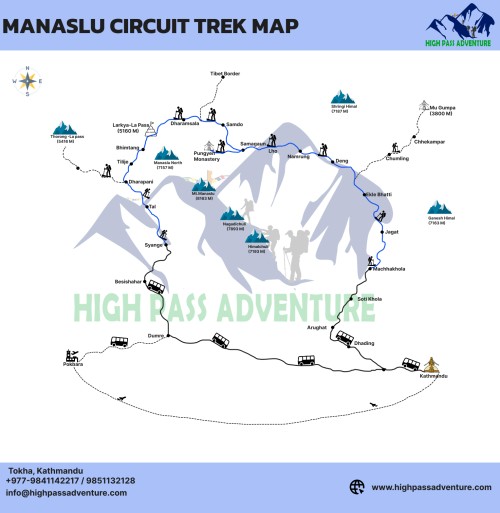
This is the longer and more traditional route, typically takes around 14 to 18 days. It circle the Mount Manaslu and others mountains, taking you through varied terrain, remote villages, lush forests, and high mountain passes. You'll also have the opportunity to experience the diverse cultures of the region, including Tibetan and Nepalese influences.
- Short Manaslu Circuit Trek:
Short Manaslu Circuit trek is also as the name suggests, this is a shorter version of the Manaslu Circuit Trek, usually completed in 10 to 12 days. It follows a similar route but skips some of the more remote sections and side trips. This trek is suitable for those with limited time, budget and previous trekking experience.
Ultimately, the choice between the two depends on your available time, fitness level, and preferences regarding the intensity of the trek. Both options guarantee unforgettable experiences amidst the awe-inspiring Himalayan scenery.
Requires Permits and Permits cost for Manaslu Circuit Trek
The Short Manaslu Circuit Trek is located in the Manaslu Conservation Area in the Manaslu Region of Nepal, a restricted area for foreigners to ensure safety. Opened for trekking in 1991 A.D., it is known for its remote sector with simple accommodation and food. The Manaslu Region is protected by the Manaslu Conservation Area Project (MCAP), and all trekking activities are controlled by the government of Nepal. Therefore, you will need the necessary permits to trek in this region. A reputable trekking agency and an experienced guide are mandatory to obtain the permits for the Short Manaslu Circuit Trek. The permit cost for trekking in the Manaslu region depends on the number of days and the time of year. The required permits for the Manaslu Circuit Trek are as follows:
- Manaslu Restricted Area Permit:
This permit is required for all foreign trekkers entering the Manaslu Conservation Area. It is issued by the Nepal Immigration Office in Kathmandu through registered trekking agencies. The cost of the permit varies depending on the season such as USD 100 for the first seven days and an additional USD 15 for each additional day from September to November. USD 75 for the first seven days and an additional USD 10 for each additional day from December to August.
- Manaslu Conservation Area Project (MCAP) Permit:
This permit is also required for entry into the Manaslu Conservation Area. It is issued by the National Trust for Nature Conservation and can be obtained in Kathmandu or at the entrance to the conservation area. The entry fee for SAARC nationals is 1000 Nepali Rupees per person, and for other nationals, it is 3,000 Nepali Rupees per person.
- Annapurna Conservation Area Project (ACAP) Permit:
If you are starting or ending your trek in Besisahar or Dharapani, you will also need an ACAP permit, as Besisahar or Dharapani is the gateway to the Annapurna region trekking. The permit can be obtained in Kathmandu or at the entrance to the conservation area. The entry fee for SAARC nationals is 1000 Nepali Rupees per person, and for other nationals, it is 3,000 Nepali Rupees per person.
Best Time of the Year for short Manaslu Trek
The best time of year for a short Manaslu Trek is during the spring (March to May) and autumn (September to November) seasons. However, there can still be rain in September and cold temperatures, with a lot of snow on the top of the Larke Pass in March. Therefore, it is essential to choose the right time to successfully complete the Short Manaslu Circuit Trek. Additionally, it's crucial to be prepared for cold temperatures and rainy conditions, especially at higher altitudes. Check the weather forecast and communicate with your trekking guide before starting your trek
Spring (March to May): This is one of the best times to trek in the Manaslu region for short Manaslu Circuit Trek. The weather is mild, with clear skies and blooming rhododendrons adding color to the landscape. The temperatures are pleasant, making it ideal for trekking.
Autumn (September to November): Another excellent time for the short Manaslu circuit Trek, with stable weather conditions, clear skies, and great visibility. The temperatures are comfortable during the day, although it can get quite cold at higher altitudes. This season also offers stunning views of the surrounding mountains.
Cost for Short Manaslu Circuit Trek
The cost for the Short Manaslu Circuit Trek varies based on several factors, such as the trekking season, trekking agency you choose, starting and ending points of the trek, duration of the trek, group size, and level of service. Our Short Manaslu Circuit Trek itinerary is 12 days from Kathmandu to Kathmandu, but you will need a total of 15 days from your arrival to your departure from Nepal. For our 15-day itinerary, which covers the period from arrival to departure, the cost ranges from US$900 to US$1,200. This cost includes transportation, accommodation, food, guide, porter, and required permits for the Short Manaslu Circuit Trek.
However, it does not include emergency evacuation, drinks, or extra luxury accommodation. It is recommended to obtain detailed quotations from several reputable trekking agencies to compare and choose the best option that suits your needs and budget. We guarantee to provide you with reasonable costs and high-quality service for the Short Manaslu Circuit Trek within the above range.
Short Manaslu Circuit Group Join Trek
The Short Manaslu Circuit Trek is becoming a popular trekking option in Nepal. It is a shorter version of the classic Manaslu Circuit trek, set in the remote locations of the Manaslu Region. This trek is perfect for those with limited time in Nepal who wants to experience high-altitude trekking, natural beauty, and rich cultural heritage. Please note that this journey is not permitted for solo trekkers due to restricted area regulations, so a minimum of two people is required
For solo travelers planning a Manaslu Circuit Trek, the Short Manaslu Circuit Group Join Trek is a fantastic option. It allows solo trekkers to experience one of Nepal's most scenic and culturally rich treks while sharing the adventure with like-minded individuals. Joining a group trek offers the benefits of shared costs, cultural exchange, and the opportunity to make new friends, all while exploring the remote and stunning Manaslu region, making it a more affordable and rewarding trekking experience. We offer many fixed departure dates for the Short Manaslu Circuit Trek, specifically designed to accommodate solo trekkers at a reasonable cost within a group, making it a wonderful budget trek in the Nepal Himalayas.
Luggage Load Carried by Porters during the Short Manaslu Circuit Trek
If you are trekking to Short Manaslu Circuit with just a guide, the guide will not carry your luggage because they are professionals and have their own luggage to carry. In this case, you can hire a porter-cum-guide who handles both guiding and carrying your luggage, typically about 10 to 12 kg. If you are in a group, we usually assign one porter for every two trekkers, so each trekker's luggage should weigh around 10 kg. If you hire a Porter, a porter typically carries 20 to 25 kg during the trek in Nepal. Trekking with both a guide and a porter highly recommended because they makes walking easier and gives you more free time to enjoy the trek, resulting in a memorable trekking experience in Nepal during the Manaslu Circuit Trek.
Short Manaslu Circuit Trek Difficulty
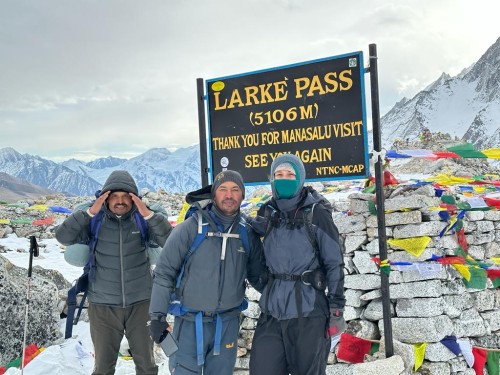
The difficulty level of the short Manaslu Circuit Trek is considered moderate to challenging because of the trek involves a variety of terrain, including steep ascents and descents, rocky paths, and possibly some snow-covered sections, especially around the Larkya Pass. Weather conditions in the Short Manaslu Circuit route are always changeable, with cold temperatures and the possibility of snowfall, especially at higher altitudes. So this makes the trek physically challenging.
The trail is well-maintained, with a mix of uphill and downhill terrain at progressively increasing altitudes. This trek typically takes 10 to 12 days. Moderate fitness is required, but good health, physical fitness, and mental preparedness to ascend to 5,106 meters are highly recommended. Some experience in multi-day hiking or trekking is beneficial.
The walking distances are manageable, taking you through farmland, local villages, and lush rainforests, with a gradual increase in altitude. Starting Machha Khola, where you'll spend your first night at an altitude of 750 meters, the trek ascends to 5106 meters to Larke Pass. From Namrung to Larke Pass top, the trail poses more difficulty due to significant altitude gain and rugged terrain, but it is generally not extreme. Proper acclimatization days, such as staying at Samagaun, help trekkers adjust to the elevation and minimize the risk of altitude sickness.
The trek to the Manaslu Circuit, circle to the tenth-highest mountain in the world is definitely not simple. Some sections of the trail are relatively challenging, with steep slopes and rocky terrain within lush bamboo and rhododendron forests. Some parts of the trail can be prone to landslides and avalanches. Snowfall and rainfall can make the trek more challenging, so it is important to prepare with proper seasonal equipment.
Having a guide and porter is highly recommended for successfully completing the Short Manaslu Circuit Trek without difficulties. A guide will provide valuable information and assistance, while a porter will carry your luggage, making your trip to Annapurna Sanctuary more enjoyable and hassle-free.
Acclimatization day to reduce the Altitude Sickness for Short Manaslu Trek
An acclimatization day is necessary during the Short Manaslu Circuit Trek because it is located in high-altitude terrain, with Larke Pass at 5,106 meters. The trek starts at 750 meters Soti Khola and you gradually climb to 5,106 meters at Larke Pass, passing through several villages and high-altitude places. As you ascend, oxygen levels and air pressure decrease compared to sea level. Once you reach an altitude above 3,000 meters, you may experience symptoms of altitude sickness, such as nausea, vomiting, diarrhea, headaches, loss of appetite, tiredness, dizziness, and sleeplessness.
So, Samagaun is our acclimatization rest days in our itinerary. This rest days help prevent altitude sickness and allow you to adapt to the environment. If you experience any symptoms of altitude sickness during the Short Manaslu Circuit Trek, it is important to address them immediately to avoid difficulties in completing the trek. To prevent these issues, you should follow your guide's instructions, as they are knowledgeable about high-altitude sickness.
When ascending on the Manaslu Circuit Trek from Lho Village, be honest with your guide about how you are feeling. Your guide will advise you to walk slowly and may suggest that you sleep at a lower altitude before ascending further. This practice, known as acclimatization, helps reduce the risk of altitude sickness.
To prevent altitude sickness, you should follow the itinerary closely, as proper acclimatization helps your body adapt to higher elevations. Additionally, stay hydrated by drinking plenty of water, eat a well-balanced diet with sufficient carbohydrates, maintain a comfortable pace, and avoid alcohol and sedatives. By adhering to these guidelines, you can reduce the risk of altitude sickness and have a safer and more enjoyable trek on the Short Manaslu Circuit. However, if you continue to feel unwell despite following these recommendations, you should return to a lower altitude.
Side trip during the Short Manaslu Circuit Trek
During the Short Manaslu Circuit Trek, there are several side trips to visit, you can take to increase your trekking experience and explore more of the stunning Manaslu region. Some popular side trips are given below
- Pungyen Monastery: Located near Samagaon, Pungyen Monastery offers a glimpse into the region's Buddhist culture and provides stunning views of Manaslu and the surrounding peaks.
- Birendra Tal: This glacial lake near Samagaon is a beautiful spot for a day hike, offering peaceful waters and stunning mountain views.
- Manaslu Base Camp: While reaching the actual base camp of Manaslu requires a longer trek, you can take a side trip to the lower base camp to get closer views of Manaslu and experience the high-altitude environment.
- Ponkar Lake: Another beautiful glacial lake after the Larke Pass near Bhimthang, Ponkar Lake offers stunning views and a peaceful setting for relaxation and reflection.
- Samdo Ri: Samdo Ri, also known as Samdo Peak, is a popular side day trip destination near the village of Samdo in the Manaslu region of Nepal. It offers stunning views of the surrounding mountains, including Manaslu, and is a great acclimatization hike for trekkers on the Manaslu Circuit Trek. The hike is relatively short but challenging due to the altitude, so it's important to take it slow and allow plenty of time for acclimatization.
These side trips can be done as day hikes from the main trekking route and can add a lot of depth and variety to your Short Manaslu Circuit Trek.
Food and Accommodations during the Short Manaslu Circuit Trek
During the Short Manaslu Circuit Trek, you can expect a variety of accommodations and meals along the route.
Accommodations: Accommodations during the trek are basic but comfortable. Tea houses and guesthouses are the most common lodging options, offering simple rooms with twin beds and shared bathrooms. Blankets are usually provided, but it's a good idea to bring a sleeping bag for extra warmth, especially at higher altitudes.
At Dharmasala (Larke Phedi 4460m), accommodation and bathroom facilities are not optimal due to the high altitude. The rooms are dormitory-style, and during the busy season, private tents may be provided. It is important to expect colder temperatures at night in this area.
Food: Meals during the trek are typically provided at the tea houses and guesthouses along the route. The food is usually simple but filling, with a focus on carbohydrates and proteins to fuel your trek. Common meals include dal bhat (rice with lentil soup and vegetables), noodles, rice, potatoes, and local bread. You can also find some western food options such as pasta and pancakes, but taste is not like western.
Drinks: Tea houses and guesthouses also serve a variety of hot drinks, including tea, coffee, hot chocolate, and soft drinks. It's important to stay hydrated, so drink plenty of fluids, but avoid alcoholic beverages. .
Water: It's essential to stay hydrated during the trek. You can purchase bottled water at tea houses along the route, but it's more environmentally friendly to use water purification tablets or a water filter to treat water from streams and taps.
Transport facilities during the Manaslu Circuit Trek
During the Manaslu Circuit Trek, various transport facilities are used to reach the starting point of the trek and return from the endpoint.
- Kathmandu to Machha Khola: The short Manaslu Circuit trek usually starts from Machha Khola. The road conditions are not comfortable as it is an off-road route. Trekkers can take a local bus or hire a private jeep from Kathmandu to Machha Khola. The journey usually takes about 6-9 hours, depending on road conditions and traffic.
- Ending Point of Trek: The Manaslu Circuit trek usually ends at Tilche Village. From there, you can also take a local or private or jeep back to Kathmandu. The journey takes around 8-10 hours, depending on road conditions and traffic.
- Emergency Helicopter Evacuation: In case of emergencies, such as altitude sickness or injuries, helicopter evacuation services are available. So it's essential to have travel insurance that covers emergency evacuations.
Packing List for Short Manaslu Circuit Trek
Packing for the Short Manaslu Circuit Trek requires careful consideration to ensure you have everything you need while keeping your pack as light as possible, so only bring the necessary things. You can also rent or purchase trekking gear in Kathmandu if you don't have everything you need. Here's a recommended packing list:
Clothing:
- Lightweight trekking pants
- Long-sleeved shirts
- T-shirts
- Down jacket
- Waterproof and windproof jacket
- Waterproof and windproof pants
- Thermal base layers (tops and bottoms)
- Warm hat and gloves
- Sun hat or cap
- Sunglasses with UV protection
- Hiking socks
Footwear:
- Sturdy hiking boots
- Camp shoes or sandals
- Micro Crampons
- Gaiters
Accessories:
- Daypack
- Trekking poles
- Headlamp or flashlight with extra batteries
- Power Bank (Portable charger or solar charger)
- Water bottle or hydration system
- Trekking towel
- Personal toiletries (toothbrush, toothpaste, biodegradable soap, etc.)
- Sunscreen and lip balm with SPF
- Personal first aid kit
Other Gear:
- Sleeping bag (comfortable to 10°C)
- Backpack rain cover
- Duffel bag or backpack for porters to carry your gear
- Personal identification and travel documents
- Travel insurance policy
- Snacks and energy bars
High altitude sickness information about trek in the Himalayas
Mountain sickness, also known as high altitude sickness, can occur when you hike or ascend to higher elevations. Symptoms can arise rapidly, so it's important to be aware of them. The main cause of altitude sickness is the decrease in air pressure at higher elevations, which results in less oxygen available to your body. Doctors consider altitude sickness to begin at 8,000 feet (2,400 meters) if you are at sea level.
1) Types
There are three types of altitude sickness:
- Acute Mountain Sickness (AMS):it is very common and symptoms feel like a tiredness, dizzy, headache, thirsty, muscle aches, nausea
- High Altitude Pulmonary Edema (HAPE):it is effect in the lungs, which can be very dangerous and hard to do life threatening
- High Altitude Cerebral Edema (HACE): it is effective in the brain and most difficult to treat and you need to go to hospital attention the right way.
2) Cause
Following are the causes of high altitude sickness:
- Generally living near sea level and travel to a high elevation
- Had the sickness before
- Climbing quickly
- Not being acclimatized to the altitude
- Drinking alcohol when you ascend
- Medical problems of heart, nervous or lungs
3) Symptoms
These symptoms will appear depending on your speed to climb and how hard you push. Symptoms range from normal to serious. They can affect the nervous system, lungs, muscles, and heart.
Here are symptoms of High Altitude Sickness:
- Difficulty sleeping
- Dizziness
- Fatigue
- Headache
- Loss of appetite
- Nausea or vomiting
- Rapid Pulse (Heart Rate)
- Short breath with action
- Blue color of skin or gray soft skin
- Chest tightness or blocking
- Confusion
- Dry cough or coughing with blood
- Cannot walk in a straight line
4) Prevention
Important keys to preventing of High Altitude Sickness are:
- Climb the mountain gradually.
- Stop every 2,000 feet (600 meters) of climb above 8,000 feet (2,400 meters) and one or two nights sleep there.
- Sleep at a lower altitude when possible.
- Make sure that you have the ability to quickly descend if needed.
- Learn how to recognize early symptoms of mountain sickness.
- If you plan on climbing quickly, or climbing to a high altitude, ask your provider about medicines that may help.
If you are at risk for a low red blood cell count (anemia), ask your provider if your planned trip is safe. Also ask if an iron supplement is right for you. Anemia lowers the amount of oxygen in your blood. This makes you more likely to have mountain sickness.
5) While climbing, you should follow these rules:
- Drink plenty of water
- Climb slowly.
- Take it easy
- Do not drink alcohol.
- Eat regular meals that are high in carbohydrates.
- Sleep lower elevation
- Take a medication (diomax) according to doctor