Muktinath Jomsom Trek Location
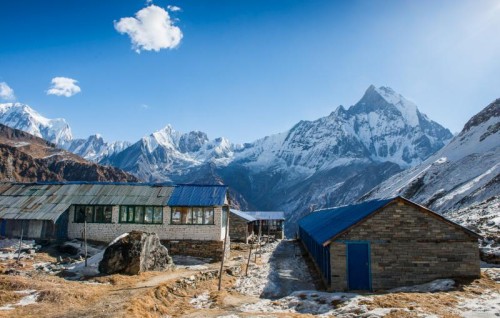
The Muktinath Jomsom Lake Trek is located northwest of Pokhara City, situated in the Annapurna region of Nepal within the Annapurna Conservation Area, behind the Annapurna Mountain range. This protected area is the largest conservation area in Nepal and encompasses a variety of ecosystems, landscapes, and cultural diversity. Jomsom town and Muktinath Temple are the highlights of the trek. Jomsom is the headquarters of the Mustang district and Muktinath is a famous Hindu temple.
The trek usually starts from Jomsom, which is about a 15 to 20-minute flight from Pokhara, and ends at Muktinath, a sacred pilgrimage site for both Hindus and Buddhists. The trek takes you through picturesque villages, apple orchards, and barren landscapes, offering a glimpse into the traditional life of the local people. Along the way, you will also have panoramic mountain views and the opportunity to visit the ancient monasteries, caves, and temples that dot the region.
Information of Annapurna Conservation Area Project
The Annapurna Conservation Area Project (ACAP) is the largest conservation area in Nepal, located in the north-central part of the country. It covers an area of 7,629 square kilometers and was established in 2049 B.S. (1992 A.D.). It is bounded by Mustang in the north, the Kali Gandaki River in the west, the Marsyandi valley in the east, and the Pokhara valley in the south.
This project was initiated by the National Trust for Nature Conservation (formerly known as the King Mahendra Trust for Nature Conservation), a non-governmental organization, and has received donations from many international trusts. Nowadays, the project is managed and conserved by the National Trust for Nature Conservation (NTNC) and the local community from the area. The headquarters of ACAP is located in Ghandruk.
How to get Jomsom Muktinath?
To get to Jomsom and Muktinath, you will typically start your journey from Pokhara, a major city in Nepal and a gateway to the Annapurna region. They are easily accessible from Pokhara by air or land. The quickest way to reach Jomsom is by taking a flight from Pokhara to Jomsom Airport, which takes about 15 to 20 minutes. The flight offers spectacular views of the Himalayas but can be affected by weather conditions, so flights may be delayed or canceled.
Another option is to take a bus from Pokhara to Nayapul or Beni, and then trek to Jomsom. This route takes several days and involves trekking through beautiful landscapes and villages. Nowadays, there are direct buses to Muktinath from Pokhara through Nayapul, Beni, Tatopani, Marpha, and Kagbeni, but some parts of the route are rough and bumpy, offering a wonderful travel experience.
To travel to Jomsom and Muktinath, it's important to be aware of the weather and road conditions. Mountain weather can be changeable and may affect travel, so it's a good idea to check with local authorities or travel agencies for the most up-to-date information before your trip.
Best Time for Jomsom Muktinath Trek
Generally, the best time for the Jomsom Muktinath Trek is during the spring (March to May) and autumn (September to November) seasons. These periods offer the most favorable weather conditions, clear skies, and stunning views of the surrounding landscape and the panoramic views of the Annapurna and Dhaulagiri mountain ranges. Winter is also a recommended time due to its not very high elevation. During winter, it is not very cold, and the mountains are covered in snow, providing some of the best views.
Even though the beginning of September to the end of May is a very good time for the Jomsom Muktinath Trek, it is possible to do the trek throughout the whole year because there is a road access. However, it requires proper preparation, suitable gear, and flexibility to handle the cold weather and shorter daylight hours.
Spring (March to May):
- Weather:Mild and pleasant temperatures.
- Scenery:Rhododendron forests are in full bloom, adding vibrant colors to the trek.
- Visibility:Clear skies provide excellent mountain views.
Autumn (September to November):
- Weather:Stable weather with mild temperatures.
- Scenery:Post-monsoon freshness makes the landscapes green and vibrant.
- Visibility:Crystal-clear mountain views.
While these two seasons are the most popular, the Jomsom Muktinath Trek, also be done in winter (December to February) and summer/monsoon (June to August), though these times come with certain challenges.
Winter (December to February):
- Weather:Cold temperatures, especially at higher elevations.
- Scenery:Snow-capped peaks and a tranquil environment.
- Visibility:Generally clear skies, but colder and shorter days.
Summer/Monsoon (June to August):
- Weather:Warm temperatures with high humidity and frequent rainfall.
- Scenery:Lush green landscapes, but trails can be muddy and slippery.
- Visibility:Occasional cloud cover may obscure mountain views.
Each season has its unique advantages, but for the best overall experience, spring and autumn are highly recommended. You can choose the best time for the Jomsom Muktinat Trek based on your vacation schedule.
Required Permits and Cost for Jomsom Muktinath Trek
For the Ghorepani Poon Hill Trek, you need two primary permits: the Annapurna Conservation Area Permit (ACAP) and the Trekker's Information Management System (TIMS) Card. The Ghorepani Poon Hill Trek is situated in the Annapurna Conservation Area, so it is necessary to buy the ACAP permits for entrance. The TIMS card is for tracking trekkers, ensuring their safety and security during trekking activities.
Both of these permits are compulsory for the Jomsom Muktinath Hill Trek. These permits are obtained through registered trekking agencies from the Nepal Tourism Board in Kathmandu or Pokhara. It's recommended to obtain these permits in advance to avoid any hassles during your trek. You must carry these permits with you throughout the entire trek and present them at every checkpoint along the Jomsom Muktinath Trek. If you are found trekking without these permits, you will have to purchase them on the spot at double the cost (penalty), or you may be required to turn back.
TIMS (Trekkers Information Management System) Card
- It Cost US$ 20 per person/ per Trek
Annapurna Conservation Area Project (ACAP) permits
- It cost US$ 30 only per person/ per trek
Jomsom Muktinath Trek Difficulty
The Jomsom Muktinath Trek is considered easy to moderate in difficulty, but it can be challenging due to its high-altitude terrain. The walking distances are manageable, taking you through farmland, local villages, and high-altitude terrains with a gradual increase in altitude. The trek starts at 1,025 meters in Nayapul or Jomsom, with the highest point being Muktinath at 3,800 meters. Starting from Nayapul is best for acclimatization, but starting from Jomsom requires caution due to the risk of altitude sickness.
The trekking trail is comfortable, including some steep slopes, but it can become particularly windy before and after Jomsom and Muktinath. Despite this, the trek is generally not too strenuous. Expect to walk 5 to 8 hours a day.
Due to the high-altitude terrain, the risk of altitude sickness is significant. A strong mindset, training, previous trekking experience, and determination are key to successfully completing the trek. While the Jomsom Muktinath Trek is physically possible for travelers of all levels, some short hiking training beforehand is beneficial.
If you plan to trek during peak season, it is advisable to book accommodations in advance, as availability may be limited, making it difficult to find good lodging. If you trek in winter, be prepared with warm clothes as the weather can be extremely cold. During the monsoon season, the trail can become slippery and tough due to the rainforest terrain.
It is recommended to book this trip with a reputable trekking agency. They will provide experienced guides and accurate information, enhancing your trekking experience and making it more enjoyable, hassle-free, and memorable.
Accommodation in Jomsom Muktinath Hill Trek
There are many accommodations and restaurants along the trekking trail to Jomsom Muktinath Trek, as new houses and rooms are added for trekkers every year. So, you can easily find comfortable accommodation. Almost all teahouses strive to provide the best service for all travelers.
Normally, lodges have private rooms (2 beds per room) with shared indoor bathrooms. They also offer rooms with attached bathrooms for luxury facilities, but it is difficult to find such accommodations during the peak trekking season. It is highly recommended to book in advance. Teahouses offer hot showers for an additional fee. Charging electronic devices is usually available for a fee as well, but it's recommended to carry a power bank.
Food in Jomsom Muktinath Trek
Food during the Jomsom Muktinath Trek is primarily provided by the teahouses along the trail. Every teahouse has a food menu, and the food items are almost the same at every teahouse in each location. You can choose food from the menu based on your requirements. Most of the teahouses grow fresh vegetables in their gardens and serve them to customers, especially at lower altitudes. The cooks are generally trained, but the taste of the food might be a bit different from Western cuisine.
Breakfast:
- Porridge:Oatmeal or other grain-based porridge.
- Bread:Tibetan bread, chapati, or toast with jam, honey, or peanut butter.
- Eggs:Boiled, scrambled, fried, or in an omelet.
- Pancakes:Often served with honey, Jam or chocolate spread.
- Tea/Coffee:Local tea, black tea, green tea, or instant coffee.
Lunch and Dinner:
- Dal Bhat:A traditional Nepali meal consisting of rice, lentil soup (dal), vegetable curry, and sometimes meat. It is highly recommended due to its balanced nutrition and energy content.
- Noodles:Fried noodles, noodle soup, or Thukpa (Tibetan noodle soup).
- Rice Dishes:Fried rice or rice with curry.
- Momos:Nepali dumplings filled with vegetables or meat, served steamed or fried.
- Pizza:Basic pizza, often with a thick crust and limited toppings.
- Pasta:Simple pasta dishes like spaghetti or macaroni with sauce.
- Soups:Various soups, including garlic soup (recommended for altitude sickness prevention), vegetable soup, and tomato soup.
Recommendations
- Dal Bhat Power:As the saying goes, "Dal Bhat Power, 24 Hour!" It's a nutritious and filling option that provides sustained energy for trekking.
- Hydration:Stay well-hydrated by drinking plenty of water, tea, and soup.
- Energy Boosters:Carry high-energy snacks like nuts, chocolate, and dried fruits to maintain energy levels during the trek.
Communication in the Annapurna Region
Annapurna region is popular trekking destination In Nepal. There are good mobile network services and internet services in the whole Annapurna region trekking area but not few places such as Nar Phu Valley, Tilicho Lake and Saribung Pass trekking. The internet service will be available whole Region but tea-houses and lodges provide internet with some extra charge. If you have not Nepali SIM card for communication with your family and not use the internet service, our guide help to you for pass the massage because always our guide have cellular phone and he contact to Kathmandu trekking office about to know the trek and your health condition as well as we help any kinds of problem during the trek.
Hence, travelling is important things in life so we make sure you about safe and healthy during the trekking in Nepal. Nowadays, you can get the local SIM card in Kathmandu airport after arrival to use the 3g and 4g internet service because most of the trekking routes in Nepal have Mobile Network service. If you need Nepali SIM, we can provide to you for your trekking but you have to tell us before leave the trekking.
Acclimatization:
High altitude sickness is common problem in the high Himalayan area when you go as higher elevation. It is appears very quickly but symptoms are preventable. If you have previous high altitude trekking experience, it might be best but if not trek in above three thousand meters high you need to prevention of the high altitude sickness. You need a extra suitable acclimatization days to complete the trip and Walk slowly, drink plenty of water, don’t drink alcohol, go higher and sleep low elevation as well as spend 2 nights on every 500 meters above than 3500 meters heights are prevent the altitude sickness during the trekking in Nepal. All our trekking itineraries are flexible with acclimatization days and first priority for your health and safety to complete the trek without any problem. We provide you basic medicine to support for emergency rescue, if situation gets worse.
Hence, every day you have inform to your Guide or Leader about your health condition and he will response to decide whether and your overall health condition to continue the trip or return back.
Tipping information
The Guide, porter, driver and all workers who are working in tourism filed, they except some tips during your Tour Trekking and others activities in Nepal. Tipping is judgment of workers from travelers and workers offers the tips end of the trek. Travelers tips 10% of their payable amount but you can give to them depend on their services.
Hence, it is important to High Pass Adventure working team who take care to you all the time during the visiting in Nepal, motivated with outstanding service and offer inspiring trip in a lifetime experience.
Trip extension
If you have extra time after complete the trek, you can do different activities or different short trek in Nepal. We have many short tour packages and adventure activities such as Chitwan National park and Bardiya National Park for Jungle safari tours. You can visit Pokhara city, Nagarkot Hiking, Dhampus hiking or day Rafting trip in Trisuli River.
Adventure activities are like paragliding, canoeing, Ultra light flight, Bungee Jump and Mountain Biking. These all package are extra activities as optional tours and not included in your package cost. If you will do these activities after the trip with us, we arrange at a reasonable cost and we give to you good discount.
Trekking Gear List
Travel equipment are necessary to pack before you travel. We hope it is too much to carry from your home to others country but some are the necessary equipment can be hired or buy in Kathmandu around Thamel. These general equipment are for all seasons while on trekking in Nepal, but may be different as per the different season and duration of trekking routes on your chosen trip.
Documents:
- Passport and 4 passport size photos
- Travel insurance details (in case an emergency evacuation if needed)
- Boarding passes for flights
- Driver’s license (if needed)
- Cash USD
- Credit/Debit Card (Ensure you have $500 on your card incase an emergency helicopter evacuation is needed)
Sleeping:
- Sleeping bag (Comfort rating -15 Celsius recommended)
- Sleeping bag liner (Optional)
Footwear:
- Trekking boots: one pair lightweight
- Sandals for city and tea house footwear
- Shoes for the plane and tea houses (Optional)
- Gaiters for hiking in winter to the base camp
- Thin, lightweight inner socks
- Thick, warm wool hiking socks
Clothing for Body:
Please make sure that you have non-cotton clothing for trekking:
- Base-layer t-shirts (e.g. running t-shirts)
- Fleece/Windproof jacket
- Waterproof jacket
- Down jacket for warmth
- Travel clothes and City Wear
- Underwear
- Base-layer trousers (optional)
- Waterproof trousers
- Trekking trousers
- Trekking shorts (Optional)
- Gloves and wool hat
- bandanna or scarf
Health Requirements (Basic First Aid Kit)
- First-aid kit; should contain lip salve, Aspirin, Band Aids, anti-histamine, Imodium or similar tablets for mild cases of diarrhea
- Re-hydration powder, extra prescription drugs you may be taking if any particular
- Wet wipes for cleaning can be purchased in Kathmandu
Others:
- Sunglasses and Sun cream
- Towel
- Book (reading and writing materials)
- MP-3 /Music, headphones and ear plug (who know some people on group are snoring) as optional.
- Travel wash
- Hand sanitizer, wet wipes
- A day bag: 35 liters
- A duffel or rucksack with straps to go over your back (Max 12 kg of weight for porters to carry)
- Dry Liner or Dry Bag
- Water bottle/thermos/ camel bag: At least 2 L. Nalgen bottles best.
General Toiletries
- Toilet papers/ tissue
- Contact lenses, Glasses (if needed)
- 1 medium sized quick drying towel
- Tooth brush/paste (preferably biodegradable)
- Multipurpose soaps (preferably biodegradable)
- Large plastic bags – for keeping items dry inside your kit / duffel bag
- Travel game i.e. chess, backgammon, and scrabble. (for luxuries)
- Binoculars (for luxuries)
- Trail Map/Guide book (if you are alone)