How to preparation for Short Annapurna Circuit Trek
The Short Annapurna Circuit Trek is a challenging destination for beginners due to its high altitude within a short time frame. Therefore, careful preparation is essential to ensure a safe and enjoyable experience. If you are planning to do the Short Annapurna Circuit Trek, you must follow these rules:
Physical Fitness: The Short Annapurna Circuit Trek is moderately challenging, so it's important to be in good physical condition. Cardiovascular exercises like hiking, cycling, swimming, running, or jogging will help build stamina. Engaging in activities such as trekking or hiking in the months leading up to your trip will also help build strength and endurance.
Packing: You need to pack according to the season you're trekking in Nepal. Essentials include trekking boots, warm clothing, rain gear, a backpack, a sleeping bag, an electric device charger, a power bank, and personal items. Make sure to pack light because heavy gear is onerous for porters. We recommend a maximum of 15 kg in total gear for the Short Annapurna Circuit Trek.
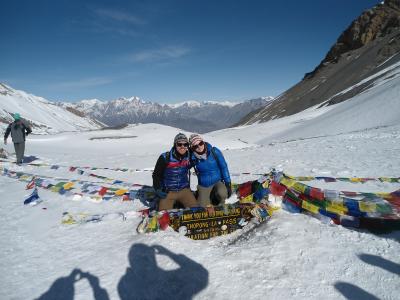
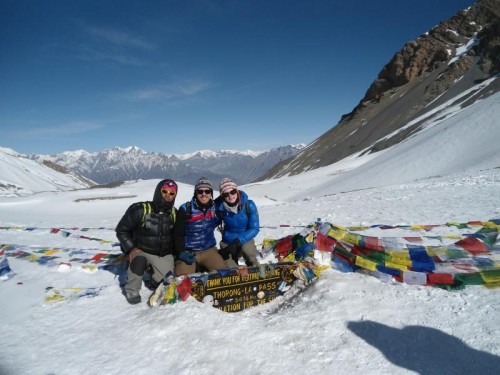
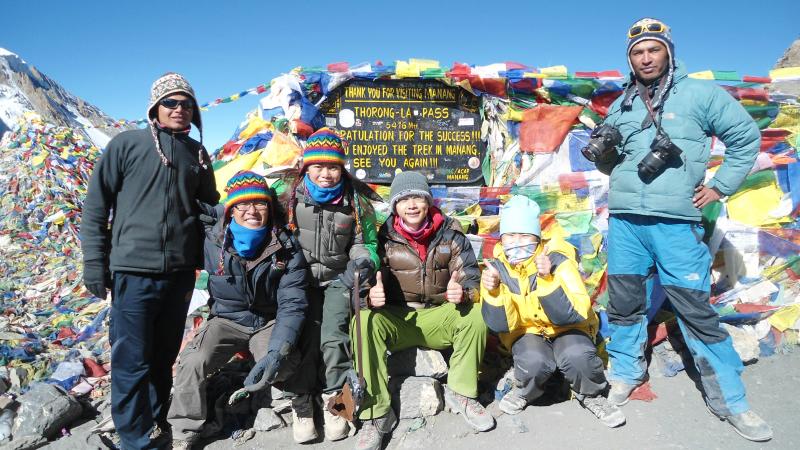
Travel Insurance: Ensure you have comprehensive travel insurance that covers trekking activities up to Thorong La Pass (5416m), including helicopter evacuation if needed. Sometimes, helicopter evacuation is necessary for trekkers due to altitude sickness. Be aware of the symptoms of altitude sickness during the ascent in the Himalayas.
Health and Safety: Pack a basic first aid kit and any personal medications. Follow proper hygiene practices and drink only treated or bottled water. Your guide will also have some basic medicine for emergencies, but we highly recommend bringing your own.
After starting the Short Annapurna Circuit Trek, your trekking organizer will provide you with all the necessary information. Your guide will explain the itinerary and trail map, and will manage the permits, transportation, accommodations, and any unforeseen issues during the trek. This ensures a hassle-free, safe, and enjoyable trekking experience.
Classic Annapurna circuit trek vs Short Annapurna circuit Trek
The Annapurna Circuit Trek and the Short Annapurna Circuit Trek both offer unique experiences, but they differ significantly in terms of duration, route, and highlights.
Choose the Classic Annapurna Circuit Trek: If you have the time and want a thorough experience that includes diverse landscapes and cultures, and prefer a more gradual ascent, the full Annapurna Circuit Trek is ideal. This trek typically takes 16-20 days and offers:
- A comprehensive experience of the entire circuit.
- Greater diversity in landscapes and cultural encounters.
- More gradual acclimatization, which helps in successfully completing the trek.
This extended duration allows you to immerse yourself fully in the region, enjoy varied scenery, and interact more with local communities.
Choose the Short Annapurna Circuit Trek: If you have limited time but still want to experience the highlights of the Annapurna Circuit, including the Thorong La Pass and key cultural and scenic points, the Short Annapurna Circuit Trek is ideal. This trek typically takes 10-12 days and offers:
- A shorter duration, making it more accessible for those with limited time.
- Inclusion of key highlights of the circuit, such as the Thorong La Pass.
- Potentially lower costs compared to the classic Annapurna Circuit trek.
This shorter trek still provides a fulfilling experience, allowing you to enjoy the best of the Annapurna region within a more manageable timeframe.
Best Time for short Annapurna Circuit Trek
There are two main trekking seasons for trekking in Nepal: the autumn trekking season (September to December) and the spring trekking season (March to May). These are the best times for trekking, including the Short Annapurna Circuit Trek, as the weather is usually sunny and warm with clear mountain views, clean air, and minimal rain or snow compared to other seasons.
The period from early September to the end of May is generally very good for the Short Annapurna Circuit Trek. If you wish to avoid crowds and enjoy some solitude with nature and culture, trekking during the winter (January and February) is also an option. While the temperature can be quite cold, the visibility remains good.
During the summer season (June to August), it tends to rain, but it is the best time for nature lovers due to the lush green landscapes.
You can choose the best season for the Short Annapurna Circuit Trek based on your vacation schedule.
Short Annapurna Circuit Trek difficulty
The Short Annapurna Circuit Trek is a moderate to challenging trek where you will walk 5-8 hours a day, gradually ascending to higher altitudes and descending from the top of Thorong-La Pass (5416 m). If this is your first trek in Nepal, it can be quite challenging because you need to be physically and mentally fit to reach an altitude of 5416 meters.
The trek starts at an altitude of 1800 meters in Dharapani, where you will spend the first night, and within 7 days, you will reach 5416 meters at Thorong-La Pass. The rapid gain in altitude adds to the difficulty of the trek.
While the trek is not easy, some parts of the trail are moderately tough with narrow slopes and rocky paths. The varied landscape includes local villages, agricultural farmland, subtropical forests, waterfalls, and green forests rich in flora and fauna. Despite the challenges, the stunning scenery makes it worthwhile, and you will feel a great sense of accomplishment upon reaching Thorong-La Pass.
The Short Annapurna Circuit Trek completed by trekkers of all levels, but you need strong courage and willpower to finish this trek.
Food and Accommodation in short Annapurna Circuit Trek
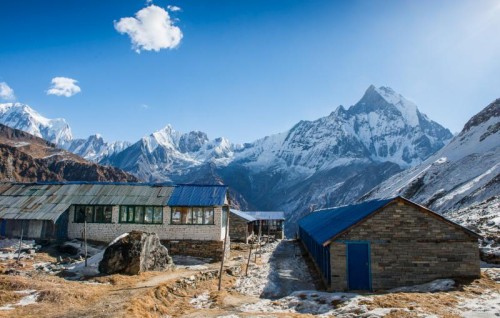
There are many accommodations and restaurants along the Short Annapurna Circuit trekking trail, with new houses and additional rooms being added each year to cater to trekkers. This makes it easy to find comfortable accommodations during the trek. Most tea houses strive to provide the best service to all travelers.
Typically, lodges offer private rooms with two beds per room and shared indoor bathrooms. For those seeking more luxury, some lodges offer better facilities, although availability are limited in certain areas. The quality of lodges varies by location, so you can choose based on your budget.
Regarding food, every lodge has a menu with similar items. We strongly recommend trying the typical Nepali dish “Dal Bhat” (boiled rice, vegetables, and lentil soup), but you can choose other items from the menu if you prefer. Most lodges grow fresh vegetables in their gardens and serve them to customers. While the cooks are trained, the food may taste a bit different from what you're used to in the West.
It's advisable to be vegetarian during the Short Annapurna Circuit Trek, as meat is not always fresh in the mountain areas. This is true for all trekking routes in the Nepal Himalayas.
You can purchase various types of drinks at every lodge, but prices increase with altitude. You can drink normal water using purification tablets. Avoid alcoholic drinks as you ascend to higher altitudes.
Requires Permits and Cost for Short Annapurna Circuit Trek
The Short Annapurna Circuit Trek is situated in the Annapurna Conservation Area, so you need to obtain an entrance fee for the ACAP (Annapurna Conservation Area Project) permit and a TIMS (Trekkers Information Management System) card. Both of these permits are compulsory for trekking in the Annapurna region.
You can purchase these permits either from a registered trekking company or the Nepal Tourism Board office in Bhrikuti Mandap, Kathmandu. You must carry both permits with you throughout the trek and present them at every check post along the Short Annapurna Circuit trekking trail. If you attempt to trek without these permits, you will be required to buy them on the spot at double the cost (penalty) or you may be forced to turn back.
Annapurna Conservation Area Permit (ACAP):
Cost: NPR 3,000 (approximately USD 25) for foreign nationals. For SAARC nationals, it is NPR 1000.
Where to Obtain: uselly your trekking organizer provides all applicable permits for your trekking. If you are doing independent, you can get the ACAP at the Nepal Tourism Board (NTB) office in Kathmandu or Pokhara or at the entry points to the Annapurna Conservation Area.
Trekkers' Information Management System (TIMS) Card:
Cost: NPR 2,000 (approximately USD 17) for all trekkers.
Where to Obtain: TIMS cards are available at the Nepal Tourism Board (NTB) office in Kathmandu or Pokhara, and it is compulsory to obtain them through registered trekking agencies.
Required Documents:
- Passport Copy: You'll need a copy of your passport.
- Passport-sized Photos: Two passport-sized photos for the all permits
- Permit Fees: Ensure you have the required amount in Nepalese Rupees to pay for the permits.
Communication in the short Annapurna Circuit Trek
There is good mobile network coverage and Wi-Fi internet services along the entire Short Annapurna Circuit trekking route. While internet service is available throughout the route, tea houses and lodges often charge an extra fee for access. We highly recommend that all trekkers buy a Nepali SIM card to communicate with family and use mobile data.
If you do not have a Nepali SIM card for communication or internet access, our guide will help you pass messages, as they always carry a cellular phone. The guide can contact our Kathmandu trekking office to update them on your trek and health condition and assist with any problems during the trek.
Traveling is an important aspect of life, and we ensure your safety and health during your trek in Nepal.
Nowadays, you can get a local SIM card at Kathmandu airport upon arrival, enabling you to use 3G and 4G internet services, as most trekking routes in Nepal have mobile network service. If you need a Nepali SIM card, we can provide one for your trek, but please let us know before you start the trek.
Acclimatization during the Short Annapurna Circuit Trek:
High altitude sickness is a common problem in the high Himalayan areas, including the Short Annapurna Circuit Trek. It can appear very quickly, but its symptoms are preventable. Acclimatization is crucial during the trek to prevent altitude sickness. Even though the trek is relatively short, you will reach significant altitudes where acclimatization is important.
To prevent high altitude sickness, it is essential to take suitable acclimatization days, even if you have not trekked above three thousand meters before. Walk slowly, drink plenty of water, avoid alcohol, ascend gradually, and sleep at lower elevations whenever possible. It is also recommended to spend two nights for every 500 meters climbed above 3500 meters.
All our trekking itineraries are flexible and include acclimatization days, prioritizing your health and safety to ensure you complete the trek without any problems. We provide basic medicine to support emergency situations and can arrange for rescue if necessary.
Make sure to inform your guide or trek leader about your health condition daily. They will monitor your condition and decide whether to continue the trip or return based on your overall health and safety.
General Tips for Acclimatization:
- Ascend Gradually: Increase your altitude slowly to allow your body to adjust. Avoid rapid ascents.
- Hydrate: Drink plenty of water to stay hydrated, as dehydration can exacerbate altitude sickness.
- Eat Well: Maintain a balanced diet with adequate calories to keep your energy levels up.
- Rest: Take regular breaks and avoid overexertion, especially on higher-altitude days.
- Avoid Alcohol and Smoking: These can interfere with the acclimatization process and worsen symptoms.
Tipping information for Short Annapurna Circuit Trek
Guides, porters, drivers, and all workers for foreiners in the tourism field in Nepal, including those on the Short Annapurna Circuit Trek, expect some tips at the end of your tour or trek. Tipping is a common practice and an important part of trekking culture in Nepal, as it shows appreciation for the hard work and service provided.
Typically, travelers tip around 10% of their payable amount, but you can adjust this based on the quality of service. Tipping is a gesture of gratitude and helps motivate the High Pass Adventure team, who take care of you throughout your visit to Nepal and strive to offer an inspiring and memorable trip.
It's important to recognize and reward the outstanding service provided by the guides, porters, and other staff who contribute to making your trekking experience a lifetime adventure.
Packing list for Short Annapurna Circuit Trek
Packing for the Short Annapurna Circuit Trek requires careful consideration to ensure you have everything you need while keeping your pack as light as possible, so only bring the necessary things. You can also rent or purchase trekking gear in Kathmandu if you don't have everything you need. Here's a recommended comprehensive packing list:
Clothing:
- Moisture-wicking t-shirts (2-3)
- Long-sleeve moisture-wicking shirts (2)
- Thermal underwear (top and bottom)
- Fleece jacket or pullover
- Insulated jacket (down or synthetic)
- Waterproof and windproof jacket (Gore-Tex or similar)
- Waterproof and windproof pants
- Lightweight trekking pants (2 pairs)
- Trekking shorts (1 pair)
- Comfortable clothes for evenings and sleeping
- Warm hat and sun hat
- Gloves (inner and outer)
Footwear:
- Sturdy, waterproof, and broken-in trekking boots
- Moisture-wicking socks (3-4 pairs)
- Warm thermal socks (2 pairs)
- Lightweight, comfortable shoes or sandals for evenings
Accessories:
- 20-30 liter daypack for daily essentials
- Rated for temperatures down to -10°C (14°F)
- Adjustable trekking poles
- Reusable water bottle or hydration bladder (2-3 liters total capacity)
- Water purification tablets or filter
Personal Items:
- UV protection sunglasses
- Sunscreen (SPF 50+)
- Lip balm with SPF
- Basic first aid supplies (bandages, antiseptic wipes, blister treatment, pain relievers, personal medications)
Toiletries:
- Biodegradable soap and shampoo
- Toothbrush and toothpaste
- Wet wipes and hand sanitizer
- Quick-dry towel
Electronics:
- Headlamp with extra batteries
- Camera with extra batteries and memory cards
- Portable charger/power bank
- Mobile phone with charger
- Documents
- Passport (and copies)
- Insurance details
Additional Gear (optional):
- Gaiters: To keep snow and debris out of your boots
- Stuff Sacks: For organizing clothes and gear
- Snacks: Energy bars, nuts, dried fruits
- Books/Journal: For entertainment and documenting your trek





.jpg)