



Best Time to Everest Base Camp Trek
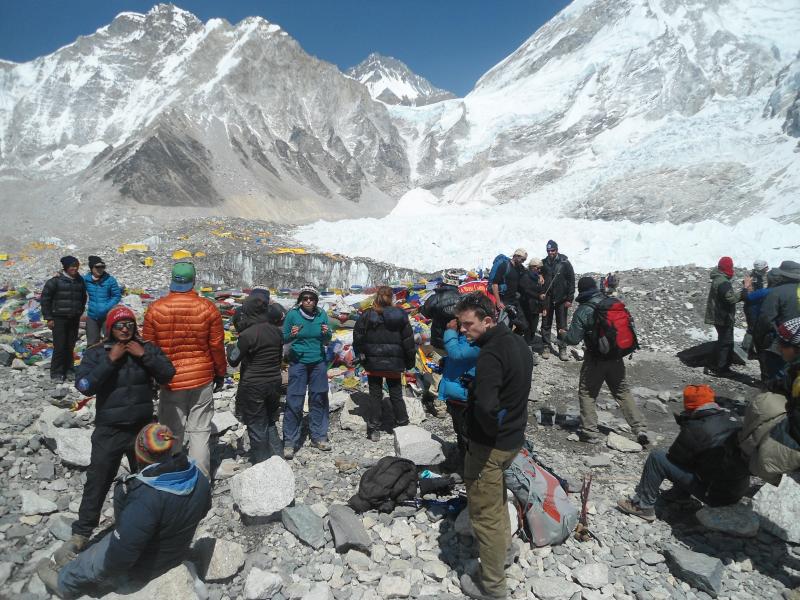
The best time for the Everest Base Camp Trek is during the spring (March–May) and autumn (September–November) seasons, when clear skies, stable weather, comfortable temperatures, and spectacular mountain views create ideal trekking conditions in the Himalayas. Spring brings blooming rhododendrons and moderate temperatures, while autumn features crisp air, vibrant landscapes, and excellent visibility of Everest and the surrounding peaks. Planning your Everest Base Camp trek during these seasons ensures a more enjoyable journey with fewer weather-related disruptions, making it ideal for both first-time and experienced trekkers.
If you are planning a trek to Everest Base Camp, it is essential to choose the right time and best season to complete this beautiful journey. Trekking during the best time provides an excellent experience that enhances your travel adventure. Generally, trekking to high-altitude areas is not suitable throughout the entire year, as it becomes difficult to predict the weather, temperature, and wind patterns above 3,500 meters. Weather conditions in the mountain region can change rapidly during the summer and winter seasons, leading to potential challenges such as landslides and heavy snowfall, which can make it difficult to reach your destination on time.

Best Time to Everest Base Camp Trek Highlights
- Mild temperatures during the day and cooler nights at higher altitudes, clear skies, and beautiful mountain views create ideal trekking conditions with minimal rain and snow.
- The lower route is lined with blooming rhododendron forests, allowing trekkers to enjoy vibrant forests full of color.
- Panoramic views with clear skies offer breathtaking vistas of the Everest range, including Lhotse, Nuptse, and Makalu, as well as surrounding mountains.
- At higher altitudes, moderate temperatures make areas like Kala Patthar and Everest Base Camp more manageable for trekkers.
- This weather is perfect for trekking, offering great conditions for photography with clear skies and excellent lighting, as well as wildlife sightings and vibrant natural beauty.
- The minimal risk of rain and snowfall ensures dry and safe trails, enhancing the breathtaking scenery and colorful landscape.
- The trail is festive during autumn due to local celebrations, while spring brings amazing flora and fauna in full bloom.
Spring (Pre-Monsoon): March to May
The spring (pre-Monsoon) season in Everest region for trekking is normally considered the best time to visit. The same applies to the Everest Base Camp Trek as well. This season starts from March to May and offers good weather conditions, beautiful landscapes and exciting flora. The spring season comes right after the winter season in Nepal. That’s why the temperature starts to get warmer; the days become longer, skies clear and have excellent visibility and new buds and flowers bloom in the forest. Anyway, the weather is generally stable, with mild temperatures and clear skies.
During the spring season (March to May) at Everest Base Camp, the temperatures vary depending on the altitude and time of day.
Daytime Temperatures: At lower elevations (around Lukla and Namche Bazaar), daytime temperatures can range from 10 to 20 degrees Celsius (50 to 68 degrees Fahrenheit). As you ascend higher, especially at Everest Base Camp (5,364 meters or 17,598 feet), daytime temperatures can range from 0 to 10 degrees Celsius (32 to 50 degrees Fahrenheit).
Nighttime Temperatures: At lower elevations, nighttime temperatures can drop to around 0 to 5 degrees Celsius (32 to 41 degrees Fahrenheit). At higher elevations, especially during overnight stays at tea houses along the trek, temperatures can drop below freezing, ranging from -5 to -10 degrees Celsius (23 to 14 degrees Fahrenheit).
At all, during these seasons, the temperatures are more favorable, and you are less likely to encounter heavy rainfall or snowfall, which can be challenging for trekking. So the spring season “from March to May” is a perfect choice for all travelers to Everest Base Camp Trek.
Autumn (Post-Monsoon): September to November
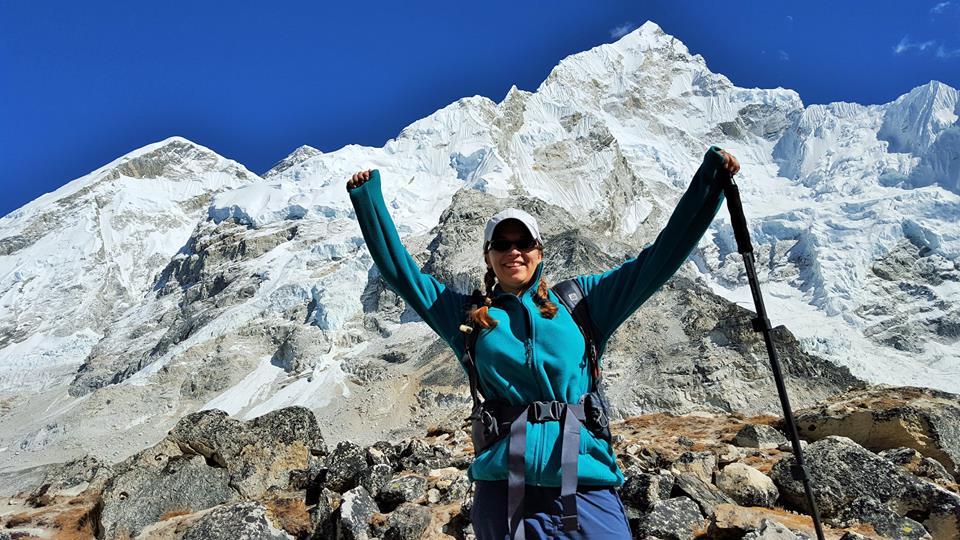 The autumn (Post-Monsoon) season is one of the best trekking seasons in Nepal for popular trekking routes including the Everest Base Camp Trek, Annapurna region Trekking, Langtang Region Trekking and others. Autumn comes right after the monsoon season; it starts from September to ends in November. After the rain, the weather will be more pleasant in those months, so autumn is always a highly recommended season for trekking in Nepal as well as Everest Base Camp Trek.
Furthermore, the lush green forests, waterfalls, rivers, streams, and wildlife are at their best during the summer rains. There is also a chance to experience similar natural wonders in the autumn season. Usually, the weather is stable with a clear sky, providing excellent visibility to enjoy the wonderful views of the surrounding mountains. The autumn season is also a peak period, resulting in high demand for accommodations, especially in higher altitudes.
The temperature during the Autumn season in the Everest Base Camp trek typically ranges from daytime highs of around 10 to 15 degrees Celsius (50 to 59 degrees Fahrenheit) to nighttime lows of around -10 to -5 degrees Celsius (14 to 23 degrees Fahrenheit) at higher altitudes. It's important to note that temperatures will be varying, and conditions can change rapidly in mountainous regions.
Winter: - December to February
Everest Base Camp Trek can be done during the winter season, but one should consider a few difficulties, such as cold temperatures, limited accommodation, and fewer fellow trekkers. The winter season in the Everest Base Camp region typically spans from December to February. During these months, temperatures at higher elevations, including Everest Base Camp, can drop significantly. Daytime temperatures may range from around -10 to 5 degrees Celsius (14 to 41 degrees Fahrenheit), while nighttime temperatures can plummet well below freezing, often reaching -20 degrees Celsius (-4 degrees Fahrenheit) or even lower.
Winter brings drier and colder conditions, with clear skies providing stunning views of the snow-covered landscapes. However, trekkers should be well-prepared for the cold temperatures and may encounter snow on the trekking trails, especially at higher elevations. Adequate winter gear, including insulated clothing and appropriate footwear, is crucial for those undertaking the Everest Base Camp Trek during the winter months. Additionally, trekkers should be aware of the potential challenges posed by icy trails and the increased risk of altitude-related issues in cold weather.
Summer: - June to August
Although it is possible to undertake the Everest Base Camp Trek during the summer season, trekkers may face some difficulties. The summer season for the Everest Base Camp Trek typically spans from June to August. During this period, the region experiences the monsoon season, bringing heavy rainfall and increased humidity. The temperatures at lower elevations, including Lukla and Namche Bazaar, can range from around 10 to 20 degrees Celsius (50 to 68 degrees Fahrenheit) during the day, while nighttime temperatures may drop to 0 to 10 degrees Celsius (32 to 50 degrees Fahrenheit).
In the higher altitudes, especially around Everest Base Camp, temperatures can vary, and weather conditions can be unpredictable. While the daytime temperatures might still be relatively mild, the risk of rain and occasional snowfall can pose challenges. Trekkers during the summer season should be prepared for wet and muddy trails, leeches in certain areas, and the possibility of cloud cover limiting the visibility of mountain views.
Additionally, there may be fewer trekkers on the trail compared to the peak seasons in spring and autumn. It's essential to have appropriate rain gear and be mindful of the weather conditions when planning a trek during the summer season.
Peak season for Everest Base Camp Trek
During the peak season in the Everest Base Camp Trek, which typically occurs in the spring (April and May) and autumn (September and October), you can expect significant crowds. The trails are bustling with trekkers from around the world, and popular teahouses and accommodations may fill up quickly. The advantage of trekking during this period is the favorable weather conditions, offering clear skies and stunning views of the Himalayan peaks. However, it's advisable to plan and book in advance to secure accommodations and permits due to the high demand.
Why Choose the Best Time for the Everest Base Camp Trek?
Choosing the best time for the Everest Base Camp (EBC) Trek plays an important role in ensuring a safe, comfortable, and enjoyable trekking experience. The right season offers more favorable weather conditions, better trail accessibility, and a greater chance of enjoying clear views of the magnificent Himalayan mountains. It can also improve your chances of experiencing comfortable temperatures, finding open teahouses, and enjoying a smoother trekking journey.
Weather conditions in the Everest region vary throughout the year. During the spring and autumn seasons, temperatures are generally more favorable than in winter, making trekking and sleeping at higher elevations more comfortable. However, weather conditions can change rapidly in the mountains, and proper preparation is essential in every season. Choosing the right trekking period can also help you plan around potential flight delays or cancellations to and from Lukla, which may occur due to poor visibility, strong winds, or unfavorable weather conditions.
Another important advantage of choosing the best time for the Everest Base Camp Trek is the opportunity to join a fixed-departure group trek. If you are traveling alone or want to reduce the overall cost, joining a group can be an excellent option. Spring and autumn are the most popular trekking seasons, attracting travelers from around the world. As a result, there are often more opportunities to join scheduled group departures, share certain trekking expenses, and enjoy the journey with like-minded adventurers.
Group Join for Everest Base Camp Trek in the Best Time
The best times for trekking to Everest Base Camp are typically spring (March to May) and autumn (September to November). If you are looking to join a group for the Everest Base Camp Trek, these seasons are ideal, as the trails are more populated with trekkers and there are more group options available with the High Pass Adventure trekking agency. Trekking with a group offers many benefits, such as reduced costs, as expenses for the guide, porter, transport, and accommodations can be shared among the group members. Besides cost-sharing, trekkers also have the opportunity to meet new people and exchange experiences, stories, and histories, enriching the journey.
Easier Flights to Lukla and Back to Kathmandu During the Best Time for the Everest Base Camp Trek
Flying to Lukla for the Everest Base Camp Trek and returning to Kathmandu is generally more reliable during the best trekking seasons: spring (March to May) and autumn (September to November). During these months, weather conditions are often more favorable, with clearer skies and better visibility, increasing the chances of smooth flights to and from Lukla. More favorable flying conditions can also help reduce disruptions to your trekking schedule, although delays and cancellations remain possible.
During peak trekking seasons, flights to Lukla may operate from Ramechhap Airport instead of Kathmandu's Tribhuvan International Airport, depending on airline schedules and aviation arrangements. If your flight departs from Ramechhap, you will need to travel by road from Kathmandu, which usually takes around four hours, depending on traffic and road conditions. Hiring a private vehicle is one option, while sharing a vehicle with other trekkers can help reduce transportation costs.
Although spring and autumn generally offer favorable trekking conditions, flights to Lukla are highly dependent on mountain weather. Sudden changes in visibility, strong winds, and cloud cover can cause delays or cancellations, even during the best trekking seasons. Lukla Airport's location in the Himalayas makes flight operations particularly sensitive to changing weather conditions.
To make your Everest Base Camp Trek more comfortable, we recommend keeping your travel schedule flexible and allowing extra time in Kathmandu before your international departure. Including a buffer day after your trek can help you manage unexpected flight delays or cancellations and enjoy a more relaxed travel experience.
Cost for the Everest Base Camp Trek in the Best Time
The cost of the Everest Base Camp Trek varies based on the itinerary, number of participants, and the services trekkers choose. We offer full-package, fixed-departure group join treks for the Everest Base Camp Trek, with prices ranging from $1,350 to $2,500 USD. The cost depends on the group size, itinerary, and services required. This comprehensive package ensures a hassle-free trekking experience, as everything is organized by the High Pass Adventure trekking agency.
In this package, you’ll have an experienced trekking guide, strong porters, and all necessary arrangements, including accommodations, meals, permits, and transportation throughout the trek. This allows you to fully immerse yourself in the natural beauty and cultural richness of the Everest Base Camp Trek without worrying about logistics.
A group join trek to Everest Base Camp is a fantastic option for solo trekkers. It allows individuals to share costs, enjoy cultural exchange, and build new friendships while exploring the remote and breathtaking Everest region. This makes the trek more affordable and a rewarding lifetime experience.
We offer various full-board Everest Base Camp Trek packages, with durations depending on the trek's starting and ending points like Short Everest Base Camp Trek, Luxury Everest Base Camp Trek and Everest Base Camp Trek with Helicopter Returns. These packages provide an all-inclusive and worry-free adventure in the Everest region, covering everything from arrival to departure in Kathmandu. This includes logistics, accommodations, meals, permits, transportation, guide and porter services, and even a basic first aid kit for the trek.
With a group join trek, you can focus entirely on enjoying the majestic landscapes, vibrant cultures, and unforgettable experiences along the Everest Base Camp Trek.
Packing list for Everest Base Camp Trek in the Best Time
Packing the right trekking equipment is essential for a successful Everest Base Camp Trek. Here’s a suggested packing list for the Everest Base Camp Trek during the best times (spring and autumn). You’ll need to be prepared for varying weather conditions, from warmer temperatures during the day to colder evenings and mornings at higher altitudes. While it might seem like a lot to carry, we recommend packing light and bringing only the most necessary items.
If you’re missing anything, don’t worry—most trekking gear can be hired or purchased in Kathmandu, particularly in the Thamel area. These general items are suitable for trekking in Nepal during all seasons, but the list may vary depending on the season and the trek's duration. It’s always a good idea to consult your trekking organizer for a detailed packing list tailored to your specific trek. They will provide you with clear guidance on what to bring to ensure a safe and enjoyable journey.
Base Layers:
- Moisture-wicking t-shirts (2-3)
- Long-sleeve moisture-wicking shirts (2)
- Lightweight fleece or thermal base layers (1-2 sets)
Mid Layers:
- Insulated jacket (down or synthetic)
- Lightweight fleece or down jacket (optional for layering)
Outer Layers:
- Waterproof and windproof jacket (with hood)
- Waterproof pants
- Softshell pants
Trekking Pants and Shorts:
- Comfortable trekking pants (2-3)
- Lightweight shorts (optional)
Headgear:
- Warm beanie or hat (for cold mornings/evenings)
- Sun hat or cap (for sun protection)
- Bandana or scarf (useful for dust protection)
Gloves:
- Lightweight gloves (for daytime)
- Warm, insulated gloves (for high-altitude mornings/evenings)
Trekking Boots: Waterproof trekking boots (with good ankle support)
Camp Shoes: Lightweight shoes/sandals (for evenings)
Socks:
- 4-5 pairs of trekking socks (wool or synthetic)
- 1-2 pairs of liner socks (for blister prevention)
Backpack:
- Daypack (20-30L for carrying essentials during the day)
- Duffel bag (for porters to carry, 10-12 kg max)
Trekking Poles: Adjustable trekking poles (optional, but helpful for balance)
Water bottles or hydration system (2-3L)
Water purification tablets or filter
Sleeping Bag: 4-season sleeping bag (rated for -10°C/14°F or lower)
Headlamp: Headlamp with extra batteries (essential for early starts or power outages)
Personal Items:
- Sunscreen and Lip Balm:
- High SPF sunscreen (for face and body)
- Lip balm with SPF protection
First Aid Kit:
- Basic first aid supplies (bandages, antiseptic, pain relief, blister care)
- Personal medications (including altitude sickness meds, if required)
Snacks: Energy bars, nuts, chocolate, or dried fruits
Toiletries:
- Toothbrush, toothpaste, biodegradable soap, hand sanitizer
- Wet wipes (for freshening up during the trek)
Documents:
- Passport, trekking permits, insurance details
- Emergency contact information
Power:
- Power bank (for charging phones and cameras)
- Solar charger (optional, if you’re staying in tea houses)
Miscellaneous:
Camera and Spare Batteries: Camera (with extra batteries)
Travel Towel: Lightweight, quick-dry towel
Money:
- Nepali Rupees (for purchases along the trail)
- Credit/debit card (useful for larger purchases in Kathmandu)
Optional:
- Gaiters: Useful if trekking in muddy or snowy conditions (more likely in the spring).
- Rain Gear: Light rain poncho or jacket (in case of unexpected showers).
- Thermals: Extra thermal clothing for colder nights (optional depending on your comfort).
FAQ for Best Time to Everest Base Camp Trek
What is the best time of year to trek to Everest Base Camp?
The best time of year to trek to Everest Base Camp is during the spring (March to May) and autumn (September to November) seasons. Spring offers stable weather, good visibility, and beautiful natural scenery, while autumn provides post-monsoon clarity, dry trails, cool and crisp air, and the chance to experience local festivals.
When Is the Best Time to Trek to Everest Base Camp Without Crowds?
The best time to trek to Everest Base Camp (EBC) without crowds is during the quieter trekking seasons, particularly in the early or late parts of the main trekking seasons and during the winter months. December, February, June, and late August can offer a less crowded trekking experience, although weather and trail conditions vary considerably throughout the year.
The beginning and end of the spring and autumn trekking seasons can be good options for trekkers who want to avoid the busiest periods while still enjoying favorable weather. However, June and August fall within the monsoon season, when heavy rainfall, cloudy skies, and poor visibility can affect trekking conditions and flights to and from Lukla. Therefore, we do not recommend August as the best time for the Everest Base Camp Trek, especially if you have a tight travel schedule.
Winter is one of the best options for a quieter Everest Base Camp Trek. Most trekking agencies recommend spring (March to May) and autumn (September to November) because these seasons generally offer favorable trekking conditions. As a result, the trails, teahouses, and popular viewpoints can become crowded during these months.
In contrast, trekking in December or February allows you to experience a more peaceful trail with fewer trekkers and spectacular views of the snow-covered Himalayan mountains. However, winter temperatures can be extremely cold, particularly at higher elevations, and some teahouses may close. Proper winter clothing, suitable equipment, and careful planning are essential.
If your priority is to experience the Everest Base Camp Trek with fewer crowds, consider traveling in early December or February, while remaining flexible about weather conditions and possible flight delays. With the right preparation, you can enjoy a quieter and memorable Himalayan adventure.
Why the Month You Choose Matters More Than the Season
The month you choose for the Everest Base Camp Trek matters just as much as the season because weather conditions, temperatures, visibility, and snowfall vary throughout the year.
Spring (March to May) offers different trekking conditions each month. March marks the beginning of spring, when temperatures at higher elevations can still be very cold, and snow may remain along the trails. April is one of the best months for the Everest Base Camp Trek, with generally pleasant temperatures, longer daylight hours, and excellent mountain views. May marks the end of spring, when temperatures rise, but visibility can sometimes deteriorate due to haze and changing weather conditions.
Autumn (September to November) is another popular season for trekking to Everest Base Camp. September marks the beginning of autumn, when lingering monsoon conditions can bring rain, clouds, and reduced mountain visibility. October is generally considered one of the best months for the trek, offering stable weather, clear skies, and spectacular Himalayan views, similar to April in spring. November marks the end of autumn, when temperatures drop significantly, particularly at higher elevations, and snowfall may occur.
Overall, regardless of the season, mornings generally offer clearer mountain views than afternoons. As the day progresses, warm air rises from the valleys, helping clouds develop over the mountains, often from around 11 a.m. onward.
Therefore, choosing the right month and planning your daily trekking schedule carefully can make a significant difference to your Everest Base Camp Trek experience, helping you enjoy better mountain views and more favorable weather conditions.
Why are spring and autumn the best seasons for the Everest Base Camp trek?
Spring (March to May) and autumn (September to November) are the best seasons for the Everest Base Camp trek due to their stable weather, clear skies, and excellent trekking conditions. In spring, the temperatures are moderate, the trails are lined with blooming rhododendrons, and the views of the Himalayas are stunning and uninterrupted. It's also a great time for mountaineers, as Everest expedition season begins.
In autumn, post-monsoon weather brings crisp, clean air and exceptional visibility of snow-capped peaks. The trails are dry and safe, and the climate is too hot nor too cold—best for long trekking days. Additionally, the autumn season coincides with major Nepali festivals like Dashain and Tihar, adding cultural richness to your journey.
What are the advantages of trekking to Everest Base Camp in spring?
Trekking to Everest Base Camp (EBC) in spring (March to May) offers several advantages, such as clear weather and excellent visibility, blooming rhododendrons and lush scenery, comfortable temperatures, a vibrant social atmosphere, rich biodiversity, ideal photography conditions, and full access to trail infrastructure.
What are the benefits of trekking to Everest Base Camp in autumn?
Trekking to Everest Base Camp (EBC) in autumn (September to November) offers many unique advantages, such as crystal-clear mountain views, stable and dry weather, post-monsoon cleanliness and freshness, ideal trekking conditions, a rich cultural experience, a popular and social atmosphere, excellent photography opportunities, and full access to trekking services—making it one of the most popular and rewarding seasons for the journey.
Is it safe to trek to Everest Base Camp during the spring and autumn seasons?
Yes, trekking to Everest Base Camp in the spring (March to May) and autumn (September to November) is generally very safe and highly recommended for both beginner and experienced trekkers. These seasons offer the most stable and predictable weather, with clear skies, low chances of precipitation, and comfortable daytime temperatures, which significantly reduce the risks associated with high-altitude trekking. Additionally, weather conditions during these times are typically favorable for flights to and from Lukla. Teahouses, lodges, and rescue services are fully operational in both seasons, and experienced guides and porters are readily available, further ensuring a safe and enjoyable trekking experience.
What are the temperatures like in the Everest region during spring and autumn?
During spring (March to May) and autumn (September to November), the Everest region experiences mild daytime temperatures and cold nights, creating ideal conditions for trekking.
In spring, temperatures at lower elevations (Lukla to Namche Bazaar) range from 10°C to 20°C (50°F to 68°F) during the day, while higher elevations (Dingboche to Everest Base Camp) can see daytime temperatures between -5°C to 10°C (23°F to 50°F). Nights, especially above 4,000 meters, often drop to -10°C (14°F) or lower.
In autumn, temperatures are similar, though slightly cooler—especially in late November. Daytime temperatures range from 8°C to 18°C (46°F to 64°F) at lower elevations and -10°C to 8°C (14°F to 46°F) at higher altitudes. Nighttime temperatures can fall to -15°C (5°F) or colder near Everest Base Camp.
How crowded are the trails to Everest Base Camp in spring and autumn?
Both spring (March to May) and autumn (September to November) are peak trekking seasons for Everest Base Camp, so the trails can be quite crowded—especially around popular villages like Namche Bazaar, Tengboche, Dingboche, and Gorak Shep. During spring, trekkers share the trail not only with fellow hikers but also with Everest expedition teams, as it is the prime climbing season. In autumn