



Best time to Visit Kailash Mansarovar Yatra
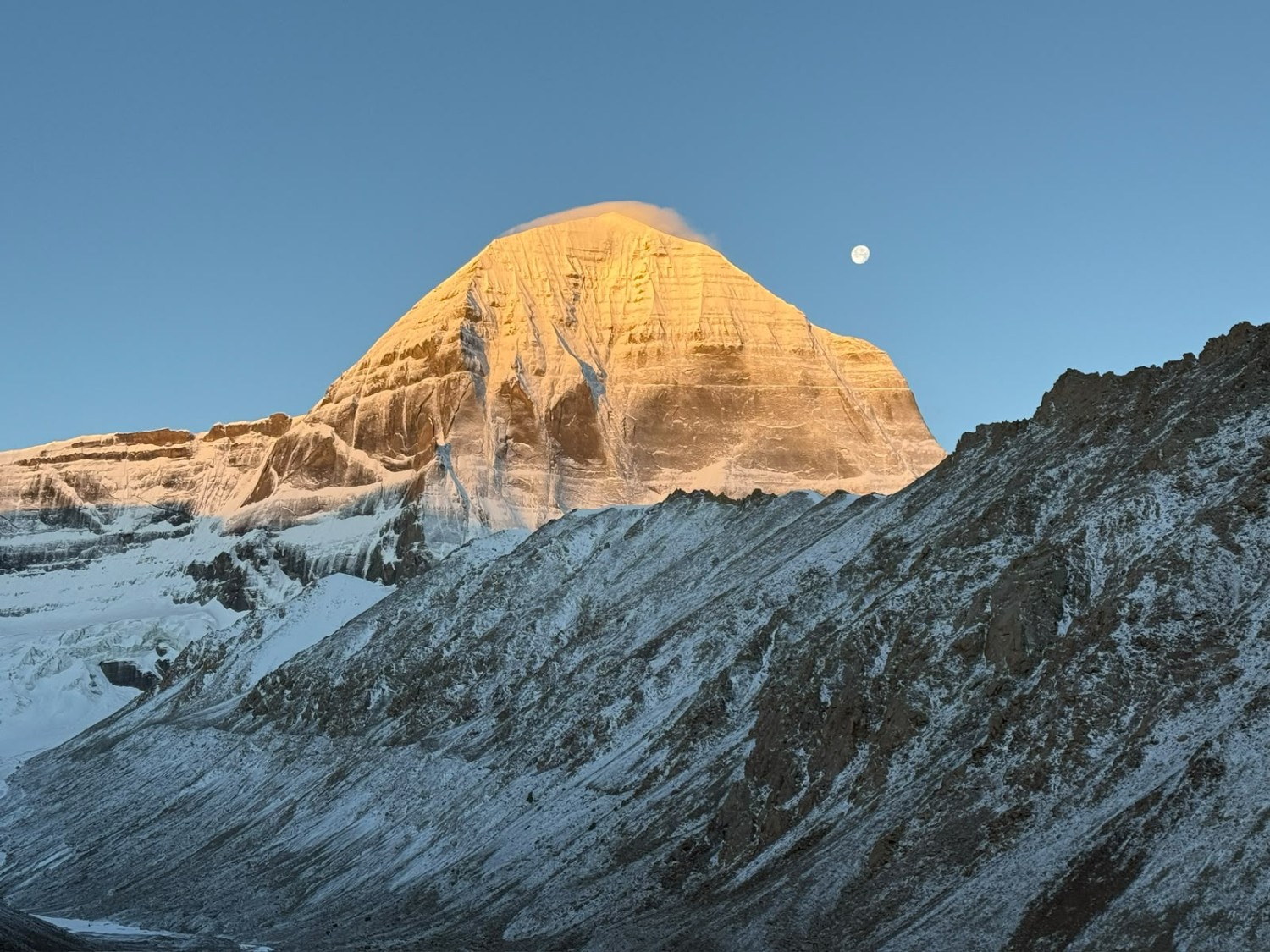
The best time to visit the Kailash Mansarovar Yatra (tour) is from May to September, as these months offer the most favorable weather conditions. During this period, the skies are generally clear, with minimal rainfall and snowfall. The temperatures are comfortable—neither too cold nor too hot—making the journey more enjoyable and less physically demanding.
The roads and mountain passes remain open because they are usually free from heavy snow, allowing for smoother travel. Travelers can stop at scenic viewpoints for photography almost anywhere along the route, thanks to the favorable weather and clear visibility. These conditions also make it more comfortable to cross the Dolma La Pass (5,630 meters / 18,471 feet), the highest point of the Mount Kailash Kora (circumambulation), which is completed on foot.
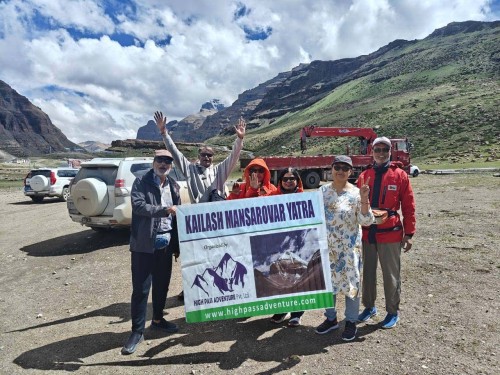

The Kailash Mansarovar Yatra is located in the Tibet Autonomous Region of China, north of the Nepal border, in a high-altitude Himalayan region. Because this area lies in the rain shadow of the Himalayan mountain range, it receives much less rainfall during the summer monsoon, while Nepal experiences heavy rain at the same time.
From October to April, temperatures in Tibet become extremely cold, with frequent snowfall and icy conditions. Snow and ice make the roads and mountain terrain more challenging to travel, and heavy snowfall can block many sections of the route, making them inaccessible.
The Kailash Mansarovar Yatra is a once-in-a-lifetime pilgrimage and adventure for many travelers. Choosing the right season is essential to ensure a safer, more comfortable, and more rewarding experience. Therefore, May to September is widely regarded as the best time to undertake this sacred journey.
Kailash Mansarovar Yatra (Tour) Overview
The Kailash Mansarovar Yatra is one of the world's most sacred pilgrimage journeys, attracting thousands of devotees and adventure travelers every year. The yatra includes two holy destinations: Mount Kailash (6,638 meters) and Lake Mansarovar (4,590 meters), both located in the remote Tibet Autonomous Region of China, north of the Nepal border.
Mount Kailash is revered as a sacred mountain in Hinduism, Buddhism, Jainism, and Bon. In Hindu belief, it is the divine abode of Lord Shiva. Pilgrims perform the Kailash Kora (circumambulation) around the mountain, believing that completing the sacred circuit cleanses past sins, brings spiritual merit, and leads to inner peace and enlightenment.
Lake Mansarovar is one of the highest freshwater lakes in the world and is considered one of the holiest lakes in Hinduism and Buddhism. It is mentioned in the ancient Hindu epics, the Ramayana and the Mahabharata. Many pilgrims walk around the lake and take a holy bath, believing it purifies the soul, promotes spiritual healing, and brings blessings, good fortune, and prosperity.
Every year, pilgrims and travelers from around the world undertake the Kailash Mansarovar Yatra to seek spiritual growth, receive divine blessings, attain moksha (liberation), and experience the breathtaking natural beauty of the Tibetan Plateau. The journey offers a unique combination of religious significance, cultural heritage, and spectacular Himalayan landscapes, making it a truly once-in-a-lifetime pilgrimage and adventure.
Because of its profound spiritual importance and extraordinary scenery, the Kailash Mansarovar Yatra is recognized as one of the most remarkable pilgrimage tours in the world.
May–June: The Best Time to Visit Kailash Mansarovar Yatra
May and June are widely considered the best months to visit the Kailash Mansarovar Yatra. These months mark the beginning of the pilgrimage season, when weather conditions are generally stable and favorable for travel.
According to the Tibetan lunar calendar, the sacred Saga Dawa Festival is celebrated during this period. The festival commemorates the birth, enlightenment, and Parinirvana (nirvana) of Sakyamuni (Gautama Buddha), the founder of Buddhism. It is one of the most important religious festivals in Tibet, attracting thousands of Buddhist and Hindu pilgrims from around the world.
During the Saga Dawa Festival, many devotees undertake the Kailash Kora (circumambulation of Mount Kailash) to earn spiritual merit and receive divine blessings. The atmosphere is vibrant, with colorful prayer flags, religious ceremonies, and pilgrims gathering at this sacred destination.
Besides its religious significance, May and June offer spectacular natural beauty. Travelers can enjoy clear blue skies, pleasant daytime temperatures, breathtaking views of Mount Kailash and Lake Mansarovar, and excellent conditions for photography and sightseeing. With open roads, accessible mountain passes, and comfortable weather, May and June provide the ideal combination of spiritual devotion and unforgettable Himalayan scenery, making them the most popular months for the Kailash Mansarovar Yatra.
Best Time to Visit Kailash Mansarovar: July, August & September for Spectacular Scenery and Natural Beauty
July, August, and September are the best months to visit Kailash Mansarovar for breathtaking scenery and outstanding natural beauty. During these months, travelers can enjoy clear mountain views, lush green landscapes, and pleasant weather, making it one of the most popular seasons for the Kailash Mansarovar Yatra.
These months also coincide with the Guru Purnima full moon festival, one of the most sacred occasions in Hinduism. Visiting Kailash Mansarovar during this period offers a unique opportunity to experience both the spiritual significance of the pilgrimage and the stunning beauty of the Tibetan Plateau. It is the ideal time for travelers seeking a combination of culture, nature, and religious devotion.
July, August, and September are the peak season for the Kailash Mansarovar Tour because the weather in Tibet is generally mild and stable. Temperatures are comfortable, with little or no snowfall, making travel easier than in other seasons. Although occasional clouds and light rain are possible, the trekking trails around the Mount Kailash Kora usually remain accessible, with only small patches of snow in higher areas.
The pleasant weather also makes it easier for pilgrims to take a holy bath in Lake Mansarovar and perform religious rituals (puja) comfortably.
As Tibet is a high-altitude desert, these months bring a rare touch of greenery to the landscape. Fresh grass and colorful wildflowers create a striking contrast against the snow-capped mountains and crystal-clear lakes, providing spectacular scenery and excellent opportunities for photography. For nature lovers, photographers, and pilgrims alike, July to September is one of the most rewarding times to experience the beauty and spirituality of Kailash Mansarovar.
Why October to April Is Not Recommended for Visiting Kailash Mansarovar
October through April is not recommended for visiting Kailash Mansarovar due to extreme weather conditions and challenging road access. As winter begins in October, temperatures gradually drop, and from December to March, heavy snowfall and icy roads make travel difficult and, in some cases, impossible.
During the winter months, the Dolma La Pass, the highest point of the Mount Kailash Kora, is completely covered with snow and remains closed. Many high mountain roads leading to Kailash Mansarovar may also be blocked because of heavy snowfall and ice, making vehicle travel unsafe.
In addition to road closures, freezing temperatures and strong winds significantly increase the risk of high-altitude sickness. The combination of extreme cold, high elevation, and harsh weather can cause headaches, fatigue, dizziness, and other symptoms of altitude sickness, making the pilgrimage much more difficult and potentially unsafe.
If your holiday falls between October and April, it is better to postpone your Kailash Mansarovar Tour until the warmer months. Instead, you can consider visiting eastern Tibet, including Lhasa and Shigatse, where travel is generally more comfortable during winter and many cultural attractions remain accessible.
For this reason, many travelers choose trekking destinations in Nepal during the winter season instead of planning a Kailash Mansarovar Yatra. The best time to visit Kailash Mansarovar is from May to September, when the weather is more favorable, roads are open, and the pilgrimage can be completed safely and comfortably.
Things to Consider Before Planning Your Kailash Mansarovar Trip
Before planning your Kailash Mansarovar Trip, choosing the best time to visit is only one part of the preparation. There are several other important factors to consider to ensure a safe, comfortable, and well-organized pilgrimage.
First, choose a reliable and experienced travel company, such as High Pass Adventure, to arrange your Tibet tour. A professional tour operator will handle all the necessary paperwork, including travel permits, the Tibet Travel Permit, and visa processing, making your journey much easier.
Before booking your trip, make sure you have complete information about the itinerary, trip duration, total cost, and what is included and excluded in the package. You should also understand the available accommodation options, meal arrangements, packing list, and transportation throughout the journey.
It is equally important to know who can join the Kailash Mansarovar Tour and the level of physical fitness required. Since the pilgrimage takes place at a very high altitude, participants should be in good health and prepared for several days of travel and walking.
The Kailash Mansarovar Yatra is a long-distance international journey that involves traveling to Tibet through a third country, spending several days at high altitude, and covering remote mountain terrain. As a result, it requires careful planning and is more expensive than many other tours. Proper preparation and choosing a trustworthy tour operator will help ensure a smooth, safe, and memorable pilgrimage to the sacred Mount Kailash and Lake Mansarovar.
Weather Conditions During the Kailash Mansarovar Tour
Choosing the best time to visit Kailash Mansarovar is important, but travelers should also understand that weather conditions can change quickly due to the high altitude and remote Himalayan environment. The ideal months to plan a Kailash Mansarovar Tour are from May to September, when the weather is generally more favorable for pilgrimage and trekking.
During this period, daytime temperatures are usually comfortable, ranging from approximately 15°C to 25°C, while nighttime temperatures can become very cold and may drop to around 5°C to 10°C. The temperature can fluctuate depending on weather conditions, as the region may experience a mix of sunny and cloudy days.
Because of these changing conditions, travelers should pack suitable warm clothing, including layers, a windproof jacket, and proper trekking gear. Staying well-hydrated is also very important at high altitudes. Drinking enough water helps the body adjust to the elevation and can reduce the risk of altitude-related problems.
With proper preparation, suitable clothing, and careful planning, travelers can enjoy the incredible landscapes and spiritual experience of the Kailash Mansarovar Yatra safely and comfortably.
Route Conditions in Nepal for the Kailash Mansarovar Tour
Understanding the route and road conditions in Nepal is important when planning a Kailash Mansarovar Tour, as the journey to Kailash Mansarovar usually begins from Kathmandu, Nepal.
The most common route involves traveling by vehicle from Kathmandu to the Rasuwagadhi Border on the Nepal side and then crossing into Kerung, Tibet. From May to September, Nepal experiences the monsoon season, and the roads can sometimes be affected by heavy rainfall and landslides. Since the route from Kathmandu to the Tibet border passes through hilly areas with narrow mountain roads, unexpected weather conditions may cause delays and extend the travel time.
Therefore, travelers should remain flexible and be prepared for possible changes during the journey. In case of continuous heavy rain or major road blockages in Nepal, a helicopter option from Kathmandu to Rasuwagadhi Border may be arranged. However, this alternative involves an additional cost and is not included in the standard Kailash Mansarovar package.
At High Pass Adventure, we closely monitor the latest road and weather conditions and provide regular updates to ensure a safe and smooth Kailash Mansarovar Yatra experience for our travelers.
After crossing the border into Tibet, road and travel conditions are generally much more stable. The Tibetan side of the route is well maintained, and weather-related disruptions are less frequent. In rare cases of road blockages due to unexpected conditions, local authorities usually work quickly to restore transportation routes.
With proper planning, flexibility, and guidance from an experienced travel operator, travelers can complete their Kailash Mansarovar Tour from Nepal safely and comfortably.
Frequently Asked Questions (FAQs) About the Kailash Mansarovar Yatra
What Is the Best Time to Visit Kailash Mansarovar?
The best time to visit Kailash Mansarovar is from May to September. During these months, the weather is generally mild and stable, with clear skies, minimal wind, and little to no snowfall. The roads and mountain passes are open, making this the ideal season for the Kailash Mansarovar Yatra. Daytime temperatures are pleasant, roads are usually accessible, and the trekking route around Mount Kailash is in its best condition.
For the safest, most enjoyable, and most successful Kailash Mansarovar Tour, with the best opportunities for photography and cultural experiences, plan your trip between May and September.
Why May to September Is the Best Time to Visit Kailash Mansarovar?
May to September is the best time to visit Kailash Mansarovar because it offers the most favorable weather and travel conditions. Although it is the monsoon season in Nepal, the Tibet Autonomous Region receives very little rainfall because it lies on the northern side of the Himalayan range, creating a rain-shadow effect.
During these months, the weather is generally mild and stable, with clear skies, comfortable daytime temperatures, and light winds. The roads and high mountain passes remain open, making travel safer and more convenient. The clear weather also provides excellent opportunities for photography, sightseeing, and enjoying the breathtaking views of Mount Kailash and Lake Mansarovar.
In addition, many important religious and cultural festivals take place during this period, allowing pilgrims and travelers to experience the region's rich spiritual traditions.
By contrast, October to April brings cold temperatures, strong winds, cloudy conditions, and frequent snowfall. Many roads and mountain passes may become inaccessible, making travel and trekking more challenging.
Why October to April Is Not Recommended for Visiting Kailash Mansarovar?
October to April is not recommended for visiting Kailash Mansarovar because the harsh winter weather makes travel more difficult and potentially hazardous. The route passes through high-altitude mountain regions, where travelers may encounter freezing temperatures, strong winds, heavy snowfall, icy roads, and snow-covered mountain passes.
During this period, weather conditions are often unstable, resulting in poor visibility for sightseeing and photography. Some hotels, guesthouses, and tourist facilities may also be closed due to the off-season. In addition, the extreme cold and high altitude can increase the risk of altitude sickness and other weather-related health issues.
Which Month Is Best to Visit Kailash Mansarovar?
May and June are considered the best months to visit Kailash Mansarovar. During this period, travelers can experience the sacred Saga Dawa Festival, one of the most important Buddhist festivals celebrated around Mount Kailash.
These months also offer the most favorable weather throughout the journey, including the route from Nepal to the Rasuwagadhi–Kerung border. Visitors can enjoy clear skies, excellent visibility for sightseeing and photography, pleasant daytime temperatures, and comfortable conditions at high altitudes.
In addition, the weather is ideal for taking a holy bath in Lake Mansarovar, and the Dolma La Pass is generally accessible, making the Kailash Kora safer and more enjoyable. For pilgrims and adventure travelers alike, May and June provides the best combination of favorable weather, spiritual significance, and breathtaking Himalayan scenery.
How Cold Does It Get During the Kailash Mansarovar Yatra?
During the Kailash Mansarovar Yatra, daytime temperatures are generally not extremely cold, especially until Darchen, the starting point of the Kailash Kora. The weather is usually mild to warm during the day, and most of the journey is by comfortable air-conditioned coach. If you feel cold, you can wear an extra layer, and if you feel warm, the vehicle's air conditioning provides added comfort.
Mornings and evenings are noticeably cooler but are generally manageable with warm clothing. Freezing temperatures are uncommon during this part of the journey.
The weather becomes significantly colder during the three-day Kailash Kora, when you trek at high altitudes and stay overnight in basic guesthouses. Nighttime temperatures often fall below 0°C (32°F), while daytime temperatures remain cool and can feel colder due to strong winds. However, because you are walking for several hours each day, your body generates heat, making the cold easier to tolerate.
The coldest point of the trek is Dolma La Pass (5,630 m / 18,471 ft), where temperatures can be well below freezing, especially in the early morning. Strong winds are also common, so wearing a warm down jacket, thermal layers, gloves, a hat, and other cold-weather gear is essential.
By packing the right clothing and layering appropriately, you can stay warm, comfortable, and well-prepared throughout the Kailash Mansarovar Yatra.
How Long Does the Kailash Mansarovar Yatra from Nepal Take?
The Kailash Mansarovar Yatra from Nepal typically takes 10 nights and 11 days, following our standard itinerary. The journey starts and ends in Kathmandu and follows the route: Kathmandu – Rasuwagadhi – Kerung – Saga – Lake Mansarovar – Darchen – Kailash Kora – return via the same route to Kathmandu.
The total duration of the yatra may vary depending on the route you choose. For example, itineraries via Lhasa or Hilsa may be shorter or longer, depending on your travel plans, sightseeing preferences, and acclimatization schedule. Helicopter tour options are also available for travelers who prefer a shorter and faster journey, although they come at an additional cost.
We highly recommend our 10-night, 11-day standard itinerary because it provides sufficient time for altitude acclimatization, reduces the risk of altitude sickness, and offers a more comfortable travel pace. It also allows you to fully enjoy the breathtaking Himalayan scenery, local Tibetan culture, and spiritual significance of the pilgrimage, giving you the best chance of completing the Kailash Mansarovar Yatra safely and successfully.
How Does the Weather Affect the Kailash Kora from May to September?
The Kailash Kora (circumambulation of Mount Kailash) is the main highlight and spiritual purpose of the Kailash Mansarovar Yatra. The Kora is a three-day trek with two overnight stays, and weather conditions play an important role in determining its safety and success.
From May to September, the weather is generally favorable for completing the Kora. However, conditions can change quickly at high altitudes. Occasional rain, snowfall, strong winds, or cold temperatures may make the trail—especially Dolma La Pass (5,630 m / 18,471 ft)—more challenging or, in rare cases, temporarily unsafe to cross.
Despite these occasional changes, the weather during the May to September season is usually stable enough for the Kailash Kora. By choosing the recommended travel season, travelers have the best chance of completing the Kora safely while enjoying clear mountain views, comfortable trekking conditions, and an unforgettable spiritual experience.
Conclusion
The best time to visit Kailash Mansarovar is from May to September. Each month during this period has its own unique advantages, so travelers can choose any month that best suits their schedule and preferences.
During these months, the weather is generally favorable, allowing pilgrims and travelers to enjoy the stunning landscapes, spiritual sites, and cultural experiences of the region. Different months may also offer opportunities to participate in various local festivals and religious events, adding more meaning to the journey.
A Kailash Mansarovar Yatra is a once-in-a-lifetime spiritual and cultural experience. Careful planning and choosing the right travel period between May and September can make your pilgrimage safer, more comfortable, and truly memorable.