


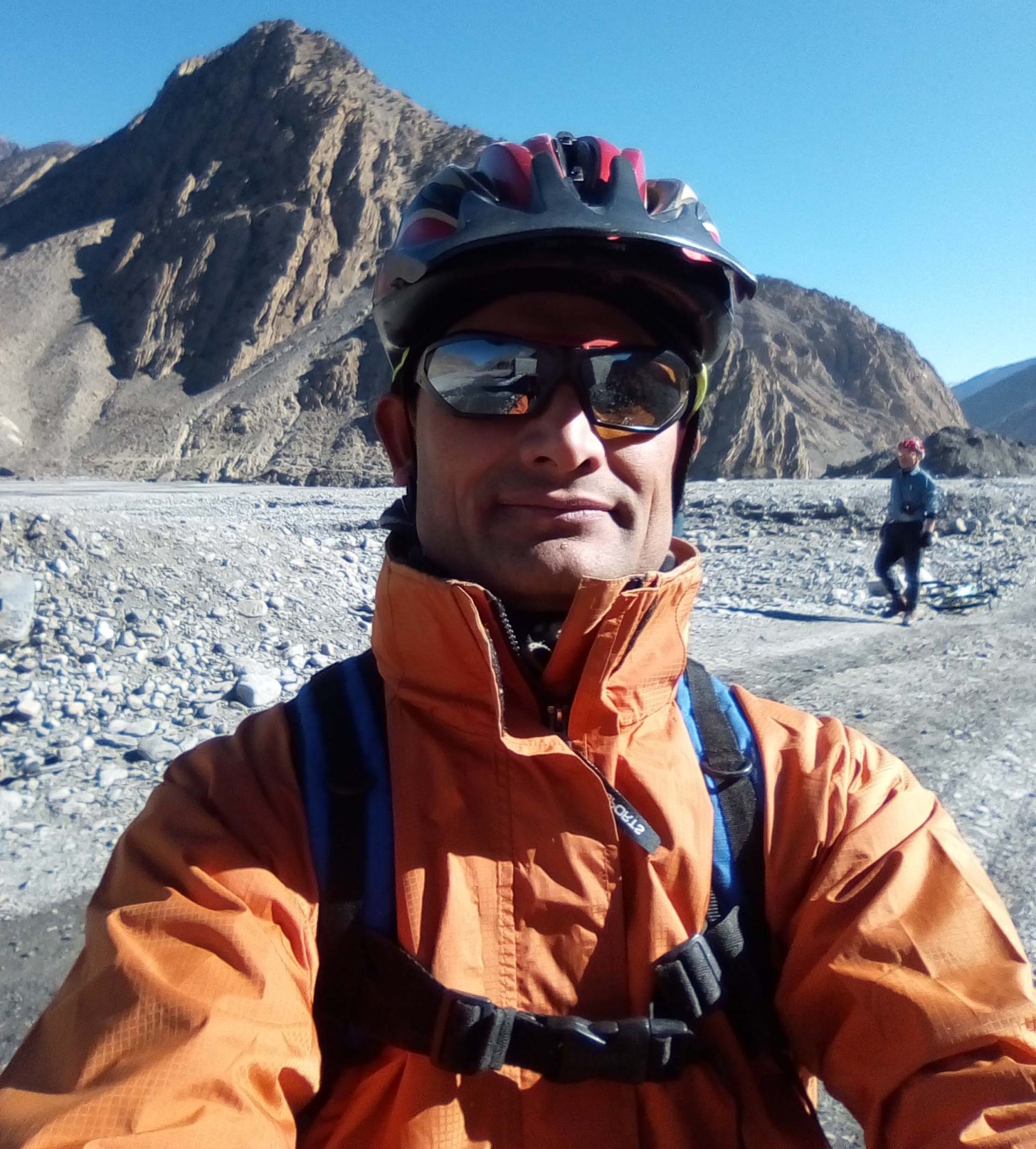

Langtang Valley Trek in Winter

The Langtang Valley Trek in Winter is one of the best winter treks in Nepal because it is located at relatively lower elevations. The highest overnight stop on the trek is Kyanjin Gompa (3,900 meters), making it a suitable destination for winter trekking. The trail follows the same route back after exploring the beautiful Langtang Valley.
In winter, the Langtang Valley Trek offers spectacular panoramic views of Langtang I, Langtang Lirung, and the surrounding snow-covered peaks. The clear skies, peaceful trails, and stunning winter landscapes make the trek especially rewarding during December, January, and February, providing a unique and unforgettable Himalayan experience.
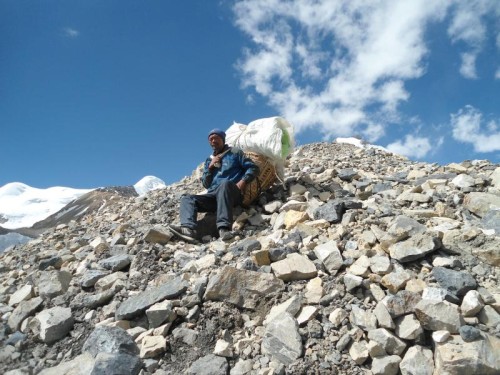

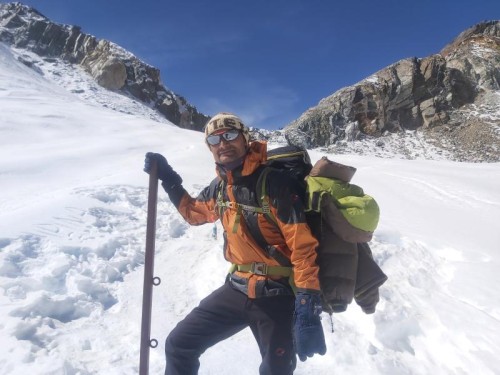
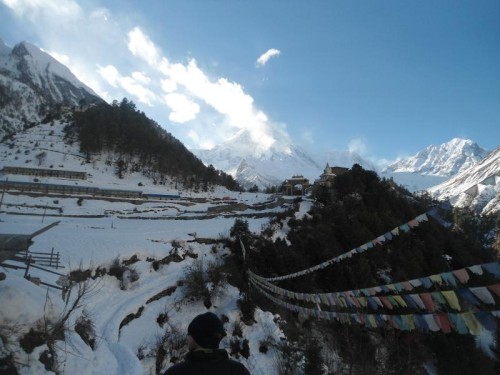
Langtang Valley Trek in December: What to Expect
December is one of the best months for the Langtang Valley Trek in winter because it comes just after the autumn season and marks the beginning of winter. During this month, the weather is generally more stable, with less snowfall and milder temperatures compared to January and February. As a result, trekkers can still enjoy spectacular views of the surrounding Himalayan peaks, comfortable accommodation, fresh food, and running water in most teahouses, even at higher elevations.
Daytime temperatures usually range between 10°C and 15°C, making trekking pleasant and comfortable, while nighttime temperatures can drop to -0°C to -10°C. Lower elevations remain relatively warm during the day, whereas higher elevations become much colder but are still manageable with proper winter clothing. Wearing appropriate layers is essential for staying warm and comfortable while trekking in December to Langtang Valley.
One of the main highlights of the Langtang Valley Trek in December is the breathtaking mountain scenery. Clear skies provide outstanding views of the snow-covered Himalayan peaks, making it an excellent time for photography. Dense forests dusted with fresh snow create a magical winter landscape, especially at higher elevations. Trekkers also have the opportunity to experience the local Tamang culture by staying in traditional teahouses, enjoying authentic local food, and interacting with local families. Wildlife sightings are also possible, including yaks, Himalayan langurs (white monkeys), and wild boars.
Another major advantage of trekking in December is the peaceful atmosphere. The trails are much quieter than during the peak autumn season, allowing trekkers to enjoy nature with fewer crowds. The tranquil environment and untouched winter landscapes make December an excellent choice for those seeking solitude, adventure, and spectacular mountain views without busy trails or crowded lodges.
However, there are a few disadvantages to trekking in Langtang Valley during December. Mornings, evenings, and nights can be extremely cold, especially above 3,000 meters. Snowfall may make the trails to Kyanjin Ri and Tserko Ri more challenging, and some teahouses at higher elevations, particularly in Kyanjin Gompa, may offer a more limited selection of food and services compared to the peak trekking seasons.
Overall, trekking to Langtang Valley in December requires good physical fitness, proper preparation, and suitable winter trekking gear. Trekkers should be prepared for sudden weather changes and shorter daylight hours, as the sun sets earlier during winter. While the trek is achievable for beginners, it is more suitable for those with good stamina, determination, and a positive mindset. Beginners are strongly recommended to trek with an experienced guide and porter to ensure a safer, more enjoyable, and comfortable trekking experience.
Langtang Valley Trek in January: What to Expect
The Langtang Valley Trek in January is best suited for trekkers with a good level of physical fitness and those seeking a true winter adventure. January falls in the middle of the winter season, between December and February, making it the coldest month with shorter daylight hours. However, the weather is often clear and stable. Snowfall usually occurs during the evening or at night, and the skies typically clear quickly, providing bright, sunny days with excellent mountain views.
During the daytime, temperatures generally range from 5°C to 10°C, while nighttime temperatures can drop below -10°C, especially at higher elevations such as Langtang Village and Kyanjin Gompa. Because of these cold conditions, trekkers should be well prepared with warm layered clothing, waterproof gear, insulated hiking boots suitable for snowy or icy trails, and trekking poles for added stability and safety.
The major highlights of the Langtang Valley Trek in January include spectacular snow-covered landscapes at higher elevations, particularly around Langtang Village and Kyanjin Gompa, along with breathtaking panoramic views of Langtang Lirung and the surrounding Himalayan peaks. The trail passes through beautiful settlements such as Lama Hotel and Langtang Village, where trekkers can experience the unique culture of the region while enjoying peaceful surroundings. Since January is part of the dry winter season, the skies are often crystal clear, making it one of the best months for mountain photography and uninterrupted Himalayan views.
Another advantage of trekking in January is the peaceful atmosphere. The trails are much less crowded than during the peak trekking seasons, allowing trekkers to fully appreciate the beauty of the Langtang region in a quiet and serene environment.
However, there are also some challenges to consider. The extreme cold, especially during the mornings, evenings, and nights, can be demanding. Snow and ice may make certain sections of the trail slippery, increasing the level of difficulty and requiring extra caution. In addition, some teahouses at higher elevations may offer limited facilities and fewer food options during the harsh winter months.
Overall, the Langtang Valley Trek in January is an excellent choice for experienced trekkers and adventure enthusiasts who are well prepared for cold weather. With proper equipment, good physical fitness, and an experienced guide, January offers a unique opportunity to experience the Langtang region at its most peaceful, with stunning snow-covered scenery and magnificent Himalayan views.
Langtang Valley Trek in February: What to Expect
The Langtang Valley Trek in February offers a similar experience to trekking in December because February marks the end of the winter season and the beginning of spring in Nepal. Although the weather gradually becomes warmer, there may still be snow on the trails leading to Kyanjin Ri and Tserko Ri, especially after recent snowfall.
As February progresses, more trekkers begin visiting the Langtang region, making the trails slightly busier than in January. The days are also longer, and temperatures are generally a little milder. One of the biggest advantages of trekking in February is the spectacular mountain scenery. The snow that fell during the winter months continues to blanket the surrounding peaks, creating breathtaking Himalayan views under clear blue skies.
The weather in February is very similar to December. Lower elevations are relatively warm and pleasant during the daytime, while higher elevations remain cold but are still manageable with proper winter clothing. Mornings, evenings, and nights can be freezing, so it is essential to pack warm layered clothing, a quality down jacket, insulated gloves, a warm hat, and other cold-weather gear to stay comfortable throughout the trek.
The trail conditions, natural scenery, cultural experiences, and teahouse facilities in February are also very similar to those in December. Trekkers can enjoy peaceful forests, traditional Tamang villages, snow-covered mountain landscapes, and comfortable teahouse accommodation. With fewer crowds than during the peak spring season, February provides an excellent balance of solitude, clear mountain views, and pleasant trekking conditions.
Overall, February is an excellent month for the Langtang Valley Trek, especially for trekkers who want to enjoy beautiful winter scenery, snow-covered peaks, longer daylight hours, and gradually improving weather before the busy spring trekking season begins.
Toughest Part of the Langtang Valley Trek in Winter
The toughest part of the Langtang Valley Trek in winter is the hike from Kyanjin Gompa to Kyanjin Ri (4,770 m) and Tserko Ri (4,990 m). Both hiking trails involve steep ascents to the summits and steep descents on the way back. During the winter months, these trails are often covered with snow and ice, and the high altitude makes the hike even more challenging. As a result, walking on this section can be difficult and requires extra caution.
For a safe and comfortable hike, it is highly recommended to trek with an experienced guide and carry proper winter trekking equipment, including waterproof hiking boots, microspikes or microcrampons, trekking poles, gaiters, and warm layered clothing.
However, once you reach the summit of either viewpoint, you will be rewarded with magnificent panoramic views of Langtang Lirung, Dorje Lakpa, Shishapangma, and many other snow-capped Himalayan peaks, making the challenging climb well worth the effort.
Preparation for the Langtang Valley Trek in Winter
Proper preparation is essential for the Langtang Valley Trek in winter, as trekking during the winter season presents additional challenges, including cold temperatures, occasional snowfall, and icy trails. Careful planning will help ensure a safe, comfortable, and enjoyable trekking experience.
First, book your trek with a reputable trekking agency such as High Pass Adventure. An experienced local agency can provide accurate information about winter trekking conditions in the Nepal Himalayas, arrange all necessary permits, accommodation, and transportation, and provide experienced guides and strong porters to support your journey.
Before starting the trek, improve your physical fitness through regular hiking, walking, jogging, or other cardiovascular and strength-training exercises. Good fitness will make the trek more enjoyable and help you cope with the demands of high-altitude trekking.
It is also important to purchase comprehensive travel insurance that covers high-altitude trekking, emergency medical treatment, and helicopter evacuation. In addition, make sure you pack appropriate winter trekking gear, including warm layered clothing, a quality down jacket, waterproof outerwear, insulated hiking boots, gloves, a warm hat, sunglasses, and trekking poles. Following a recommended winter gear list will help you stay warm, safe, and comfortable throughout the trek.
With proper planning, the right equipment, good physical preparation, and the support of an experienced trekking company, you can safely and comfortably complete the Langtang Valley Trek in winter while enjoying its breathtaking snow-covered landscapes and magnificent Himalayan scenery.
Langtang Valley Trek Overview
The Langtang Valley Trek is one of the best trekking destinations in Nepal, suitable for a wide range of trekkers, including beginners, young adventurers, budget travelers, backpackers, couples, groups, students, and senior hikers. Its easy accessibility, moderate difficulty, and spectacular Himalayan scenery make it one of the most popular short treks in Nepal.
Located just north of Kathmandu, the Langtang Valley can be reached by a 5 to 7-hour scenic drive, eliminating the need for domestic flights. The trek follows well-established trails through beautiful forests, traditional Tamang and Tibetan Buddhist villages, and stunning alpine landscapes before reaching Kyanjin Gompa (3,900 meters), the highest overnight stop on the trek.
The Langtang Valley Trek offers breathtaking views of Langtang Lirung, Langtang I, and many other snow-capped Himalayan peaks. Along the way, trekkers can experience the rich local Buddhist culture, visit ancient monasteries, observe diverse wildlife, and enjoy the comfort of traditional teahouse accommodation.
Thanks to its relatively moderate elevation and well-developed trekking infrastructure, the Langtang Valley Trek can be enjoyed during spring (March to May), autumn (September to November), and winter (December to February). It is also possible to trek during the summer/monsoon season (June to August) with proper rain gear and careful planning.
With its easy access from Kathmandu, outstanding mountain scenery, rich cultural experiences, comfortable teahouses, and year-round trekking opportunities, the Langtang Valley Trek is an excellent choice for anyone looking to experience the beauty of the Nepal Himalayas.
Packing List for the Langtang Valley Trek in Winter
Packing the right gear is essential for the Langtang Valley Trek in winter to ensure a safe and comfortable journey. Your winter packing list should include a warm down jacket, a four-season sleeping bag, trekking poles, microspikes or micro crampons for icy trails, waterproof hiking boots, gaiters, a waterproof jacket and trousers, and warm layered clothing. You should also pack a warm hat, insulated gloves, wool or thermal socks, sunglasses, sunscreen, and lip balm to protect yourself from the cold and strong mountain sun.
A basic first-aid kit is highly recommended, including cold medicine, paracetamol, ibuprofen, anti-diarrheal medication, pain relief spray, bandages, blister plasters, and personal toiletries. In addition, carry energy bars, chocolates, dried fruits, electrolyte powder, a reusable water bottle, and a power bank to keep your electronic devices charged. If you forget any essential gear, don't worry—before starting the Langtang Valley Trek, we will review your equipment in Kathmandu. You can easily buy or rent any missing trekking gear in Kathmandu and safely store any unnecessary belongings at your hotel until you return from the trek.
Langtang Valley Trek in Winter – Cost
The cost of the Langtang Valley Trek in winter is generally lower than during the peak trekking seasons, such as spring (March to May) and autumn (October to November). Since fewer trekkers visit the region in winter, food and accommodation prices along the trekking route from Syabrubesi to Kyanjin Gompa are often more reasonable. However, transportation costs and trekking permit fees remain the same throughout the year.
If you are looking for a budget-friendly trekking experience in Nepal, the Langtang Valley Trek in winter is an excellent choice. With fewer crowds, peaceful trails, and lower accommodation costs, winter offers great value while still providing breathtaking mountain scenery and an unforgettable trekking experience.
Suggested Blog Posts for the Langtang Valley Trek
- Top 10 Things to Know About the Langtang Valley Trek
- Langtang Valley Trek Highlights
- Langtang Valley Trek Cost: Cheapest Packages & How to Book
- Langtang Valley Trek Food and Accommodation Guide
FAQs About the Langtang Valley Trek in Winter
Is the Langtang Valley Trek in Winter Suitable for Beginners?
Yes, the Langtang Valley Trek in winter is suitable for beginners. However, trekkers should be physically fit, well prepared, and equipped with appropriate winter trekking gear. For a safe and enjoyable experience, it is highly recommended to trek with an experienced guide and porter, especially during the winter season when the trails may be covered with snow and ice.
How Cold Does It Get During the Langtang Valley Trek in Winter?
The Langtang Valley Trek becomes much colder in winter compared to the spring and autumn trekking seasons. Depending on the altitude and weather conditions, temperatures typically range from -5°C to -15°C. Lower elevations are generally milder, while higher elevations, especially around Kyanjin Gompa, Kyanjin Ri, and Tserko Ri, can be significantly colder. However, with proper winter trekking gear and warm layered clothing, the cold temperatures are manageable, allowing you to enjoy the trek safely and comfortably.
Do I Need a Guide and Porter for the Langtang Valley Trek in Winter?
Yes, hiring a guide and porter is highly recommended for the Langtang Valley Trek in winter. Winter trekking presents additional challenges, such as snow-covered and icy trails, cold temperatures, and limited services in some areas. An experienced guide will help you stay safe, navigate the route, monitor weather conditions, and share valuable insights into the local culture, history, and traditions of the Langtang region.
A porter will carry your heavy luggage, allowing you to trek with a light backpack and enjoy the stunning mountain scenery and unique Tamang culture more comfortably. Hiring a guide and porter not only makes your trek safer and more enjoyable but also supports the local economy and communities in the Langtang region.
Is the Langtang Valley Trek in Winter Dangerous?
The Langtang Valley Trek in winter is not particularly dangerous if you are well prepared and trek with an experienced guide. Having a strong porter, the right winter trekking gear, and good physical fitness also helps ensure a safe and enjoyable journey. While winter conditions can bring cold temperatures, snow, and icy trails, these challenges can be managed with proper planning and precautions.
Every year, many trekkers successfully complete the Langtang Valley Trek during the winter season and enjoy its peaceful trails, stunning snow-covered landscapes, and breathtaking Himalayan views.
How Many Days Does the Langtang Valley Trek in Winter Take?
The Langtang Valley Trek in winter typically takes 8 days from Kathmandu to Kathmandu based on our standard itinerary. This includes 2 days of bus travel between Kathmandu and Syabrubesi (one day each way) and 6 days of trekking from Syabrubesi to Langtang Valley and back.
However, the duration of the trek can be customized from 5 to 10 days, depending on your physical fitness, available time, trekking pace, and whether you choose to include additional hikes to Kyanjin Ri (4,770 m), Tserko Ri (4,990 m), or Langshisa Ri, which offer spectacular panoramic views of the surrounding Himalayan peaks.
How Should I Prepare Physically for the Langtang Valley Trek in Winter?
To prepare physically for the Langtang Valley Trek in winter, you should start training 2 to 3 months before your trek. Focus on improving your cardiovascular fitness through activities such as walking, jogging, hiking, cycling, swimming, and running. You can also include stretching and yoga to improve your flexibility, balance, and overall fitness.
In addition, practice hiking with a loaded backpack and climbing stairs to build your strength, endurance, and stamina. Regular physical training will help you handle long trekking days, steep ascents and descents, and the challenges of trekking at higher altitudes during the winter season.
What Is the Toughest Part of the Langtang Valley Trek in Winter?
- The toughest part of the Langtang Valley Trek in winter is the side hike from Kyanjin Gompa to Kyanjin Ri (4,770 m) or Tserko Ri (4,990 m). These trails involve steep ascents and descents and are often covered with snow and ice during the winter months, making them more challenging and slippery.
Why Should I Choose the Langtang Valley Trek in Winter?
- The Langtang Valley Trek in winter is an excellent choice for trekkers looking for a peaceful and rewarding Himalayan adventure. There are several reasons to choose this trek during the winter season:
- The trekking route is at a relatively lower elevation compared to many other popular treks in Nepal, making it more accessible.
- It offers a perfect combination of stunning natural scenery and rich Tamang culture.
- The trail is well-defined and relatively easy, making it suitable for beginners as well as experienced trekkers.
- The same route is used for both the ascent and descent, making navigation straightforward.
- Winter brings fewer crowds, allowing you to enjoy peaceful trails and a more authentic trekking experience.
- The trek is suitable for all types of trekkers who are physically fit and properly prepared for winter conditions.
What Kind of Food Is Available During the Langtang Valley Trek in Winter?
During the Langtang Valley Trek in winter, most teahouses remain open and serve a variety of fresh, nutritious, and energy-rich meals. Since it is the off-season, the menu may be slightly more limited than during the peak trekking seasons, but you can still enjoy a good selection of local and international dishes.
Common foods available during the trek include Dal Bhat (rice, lentil soup, and vegetables), potato dishes, noodles, Tibetan bread, soups, Tsampa porridge, egg dishes, fried rice, pancakes, tea, coffee, and other hot drinks. These meals provide the energy needed for trekking in cold winter conditions while allowing you to experience the local cuisine of the Langtang region.
Which Company Should I Book the Langtang Valley Trek in Winter With?
You should book your Langtang Valley Trek in winter with High Pass Adventure, a trusted and experienced trekking company in Nepal. We provide professional and knowledgeable guides, high-quality trekking equipment, well-planned itineraries, and reliable support throughout your journey.
Our experienced team prioritizes your safety, comfort, and satisfactions, ensuring you have a safe, enjoyable, and memorable winter trekking experience. Whether you are a beginner or an experienced trekker, High Pass Adventure offers personalized service, expert guidance, and excellent local knowledge to help you make the most of your Langtang Valley adventure.