


Why is the Everest Base Camp Trek Popular?
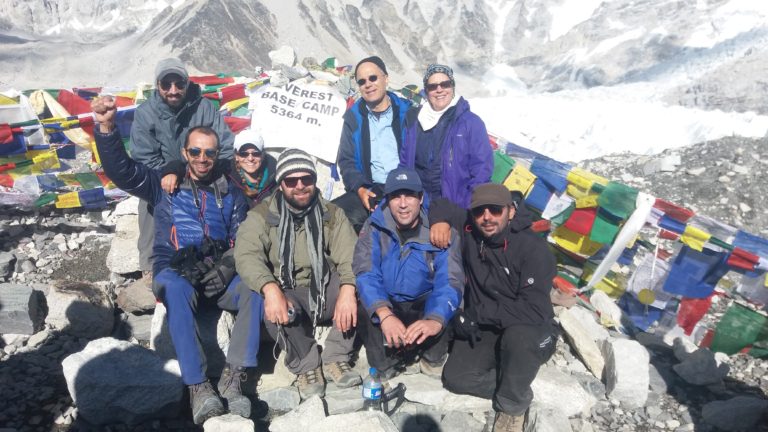
The Everest Base Camp (EBC) Trek is popular for several compelling reasons, offering trekkers an once-in-a-lifetime adventure filled with breathtaking Himalayan views, rich Sherpa culture, and the thrill of standing at the foot of the world’s highest mountain. The route combines stunning natural scenery, including towering peaks, glaciers, and valleys, with cultural encounters in traditional Sherpa villages and monasteries. Its perfect balance of adventure, challenge, and reward makes it one of the most sought-after trekking experiences in Nepal and across the globe, and a must-do on every trekker’s bucket list.
Scenic Mountain flight and Lukla Airport
The Lukla Airport, officially known as Tenzing-Hillary Airport, is one of the most famous and scenic airports in the world. The airport is situated in the town of Lukla in the Khumbu region of Nepal, and it serves as the gateway to the Everest region. The surrounding mountains and landscapes make the approach and departure from Lukla Airport truly spectacular.

 6% Off
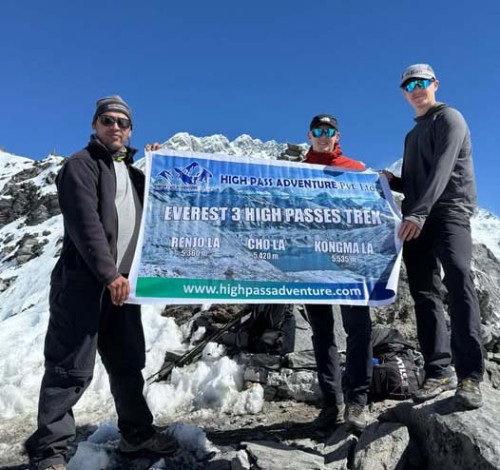
Everest Three High Passes Trek - Counterclockwise Route


The flight to Lukla Airport is not only a means of transportation but also an exhilarating and scenic experience. The flight typically originates from Tribhuvan International Airport in Kathmandu and Ramechap, Nepal.
Listed in UNESCO world heritage site “Sagarmatha National Park”
Sagarmatha National Park, located in the Himalayas of eastern Nepal, is a UNESCO World Heritage Site. Designated as a World Heritage Site in 1979, the park is renowned for its exceptional natural beauty, unique ecosystems, and cultural significance. The Sagarmatha National park's inclusion in the UNESCO World Heritage List recognizes its global importance in terms of biodiversity, natural beauty, and cultural heritage. It also emphasizes the need for international cooperation in preserving such remarkable sites.
Sagarmatha National Park, with its breathtaking landscapes and cultural richness, remains a symbol of both natural and cultural heritage.
Tengboche Monastery
The Tengboche Monastery, also known as Tengboche Gompa, is really a significant highlight along the Everest Base Camp trek in the Khumbu region of Nepal.
Tengboche Monastery is one of the most famous and culturally important monasteries in the Everest region. It is situated at an altitude of about 3,867 meters (12,687 feet) and offers stunning views of Everest, Lhotse, Nuptse, Ama Dablam, and other surrounding peaks. The monastery is a necessary stop on the way to Everest Base Camp, not only for its religious and cultural significance but also for its picturesque location.
All the trekkers often visit Tengboche Monastery to take in the breathtaking mountain views and to experience the peaceful and spiritual atmosphere of the monastery. The monastery is an important center for Sherpa Buddhism, and visitors may witness monks performing rituals and ceremonies.
Charming Sherpa villages
The Everest Base Camp trek takes you through several charming Sherpa villages, each offering a unique cultural experience and stunning views of the Himalayan landscape. The most attractive Sherpa villages are Phakding, Namche Bazaar, Khunde and Khumjung, Pangboche, Dingboche, and etc.
These Sherpa villages not only serve as resting points during the trek but also provide an opportunity to experience Sherpa culture, hospitality, and the unique way of life in the high Himalayas.
Kalapathar and Khumbu icefall
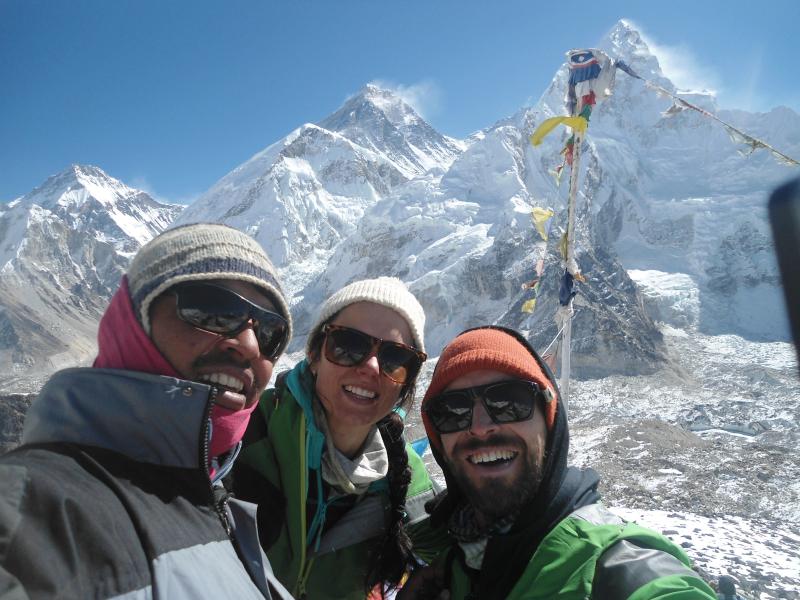 Kala Patthar and the Khumbu Icefall are significant features along the trek to Everest Base Camp, each offering unique experiences and perspectives. Kala Patthar is a popular vantage point that provides one of the best panoramic views of Mount Everest. While Everest Base Camp itself does not offer clear views of the summit of Everest, Kala Patthar provides trekkers with a breathtaking and close-up view of the world's highest peak. The name "Kala Patthar" translates to "Black Rock" in English.
The Khumbu Icefall is located on the south side of Mount Everest and is part of the route climbers take to ascend the mountain from the Everest Base Camp. While on the trek to Everest Base Camp, trekkers can observe the Khumbu Icefall from a distance. The icefall is a dramatic and awe-inspiring sight, showcasing the challenges that climbers face as they make their way to the summit.
Spectacular Scenery:
The trek offers breathtaking views of the world's highest peak, Mount Everest, as well as other majestic peaks in the Everest region. The landscapes are diverse, featuring picturesque villages, deep valleys, and glacial lakes.
Cultural Experience:
Trekkers have the opportunity to immerse themselves in the rich Sherpa culture. The trek takes you through traditional Sherpa villages, where you can experience their hospitality, visit ancient monasteries, and learn about their way of life.
Challenging Adventure:
The trek is physically demanding, attracting adventure seekers and trekking enthusiasts. The sense of accomplishment upon reaching Everest Base Camp, which stands at an elevation of about 5,364 meters (17,598 feet), is a major draw for those seeking a challenging and rewarding experience.
Teahouse Accommodations:
The availability of tea houses along the route makes the trek more accessible. Trekkers can find basic lodging and meals in these teahouses, reducing the need for extensive camping equipment.
Everest Base Camp:
The destination itself, Everest Base Camp, holds immense significance as the starting point for climbers attempting to summit Mount Everest. Standing at the base of the world's highest peak is a unique and memorable experience for trekkers.
Friendly Atmosphere:
The trekking community along the route is known for its camaraderie. Trekkers from around the world share a common goal, creating a friendly and supportive atmosphere on the trail.
Natural Beauty:
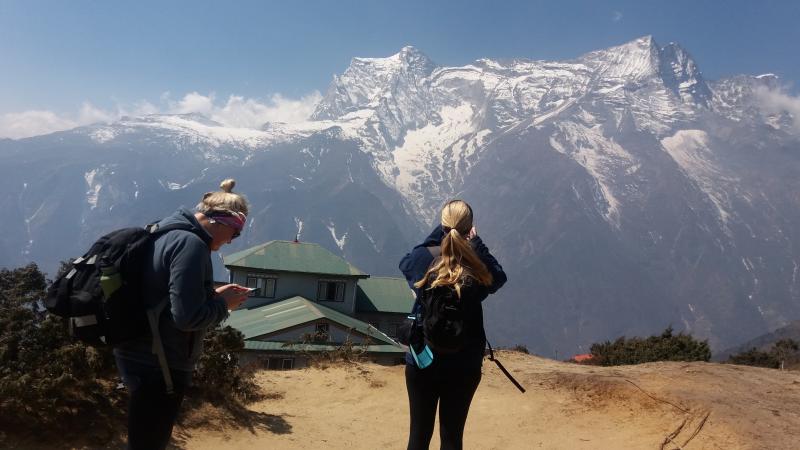 Beyond Mount Everest, the trek offers stunning views of other iconic peaks such as Lhotse, Nuptse, Ama Dablam, and Thamserku. The Khumbu Icefall and Khumbu Glacier also add to the natural beauty of the region.
Adventure Hub:
The Everest region has become a hub for adventure tourism, attracting trekkers, climbers, and mountaineers. The well-established infrastructure and the availability of experienced guides contribute to the popularity of the trek.
Gateway to Everest Summits:
While most trekkers aim for Everest Base Camp, some may also venture further to reach higher altitudes, including Kala Patthar (5,545 meters / 18,192 feet), which offers an even more panoramic view of the Everest massif.
Bucket List Destination:
Everest Base Camp has become a bucket list destination for many adventure enthusiasts. The attraction of standing at the foot of the world's highest peak and experiencing the Himalayan beauty is a powerful motivator for trekkers from various backgrounds.
FAQs about why the Everest Base Camp Trek is so popular
Why is the Everest Base Camp Trek so popular?
The Everest Base Camp Trek is popular because it offers the chance to see the world’s highest mountain, Mount Everest, up close at Everest Base Camp (5,364 meters) without requiring technical climbing skills. Trekkers also enjoy breathtaking Himalayan scenery, wildlife, rich Sherpa culture, and a well-established trekking route with teahouse accommodation and good food.
What makes the Everest Base Camp Trek special?
The Everest Base Camp Trek is special because it leads to Everest Base Camp (5,364 m), the starting point for Everest expeditions. The journey also includes a scenic mountain flight in a small aircraft to and from Lukla Airport. Along the way, trekkers pass through dramatic landscapes, suspension bridges, glaciers, traditional Sherpa villages, and monasteries, while enjoying stunning views of surrounding peaks and diverse Himalayan wildlife.
Is the scenery a major reason for the Everest Base Camp Trek’s popularity?
Yes, scenery is a major reason for the popularity of the Everest Base Camp Trek. The route offers panoramic views of peaks such as Mount Everest, Lhotse, Nuptse, Kangtega, and Ama Dablam, along with many other snow-capped mountains. Trekkers also experience glaciers, valleys, hills, rivers, lakes, waterfalls, forests, and alpine terrain within Sagarmatha National Park, making the journey one of the most scenic trekking experiences in the world.
Does culture play a role in the Everest Base Camp Trek’s popularity?
Absolutely, culture plays an important role in the popularity of the Everest Base Camp Trek. The route passes through Sherpa villages, Buddhist monasteries, prayer flags, and mani walls, offering a rich cultural experience alongside natural beauty. Trekkers may also experience local festivals such as the Mani Rimdu Festival at Tengboche Monastery, usually held in October or November, and the Buddhist New Year (Lhosar), celebrated at various villages along the route.
What is the main attraction of reaching Everest Base Camp?
The main attraction of reaching Everest Base Camp is the sense of achievement that comes from reaching an altitude of 5,364 meters. Trekkers also experience an overnight stay at Gorak Shep (5,180 meters), as well as a close view of the Khumbu Icefall, one of the most iconic features of Everest expeditions. The journey also includes walking through high-altitude terrain surrounded by dramatic Himalayan landscapes.
At the end:
The Everest Base Camp Trek is a bucket-list adventure that combines breathtaking Himalayan scenery, rich Sherpa culture, and iconic landmarks. Highlights include the thrilling mountain flight to Lukla, exploring Sagarmatha National Park (a UNESCO World Heritage Site), visiting the spiritual Tengboche Monastery, and experiencing the warmth of Sherpa villages like Namche Bazaar and Dingboche. Trekkers enjoy stunning views of Everest, Lhotse, Nuptse, and Ama Dablam, along with the dramatic Khumbu Icefall and the panoramic viewpoint of Kala Patthar. With teahouse accommodations, cultural encounters, and the unforgettable moment of standing at the foot of the world’s highest peak, the Everest Base Camp Trek offers the perfect mix of adventure, challenge, and natural beauty—making it one of the most popular treks in Nepal and the world.
 Select an element to maximize. Press ESC to cancel.