


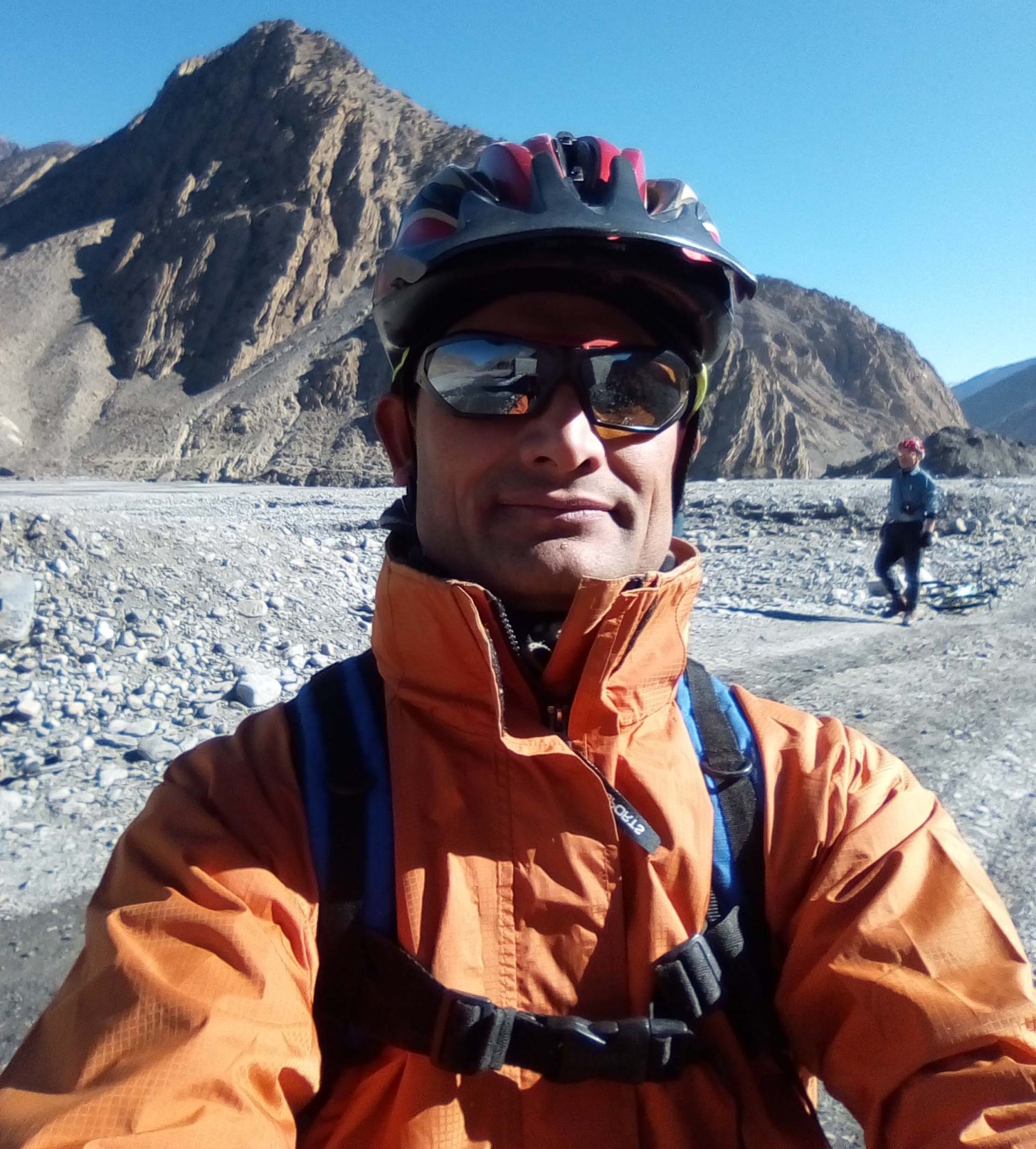

Best Time to Visit the Langtang Valley Trek

The best time to visit the Langtang Valley Trek is during autumn (September to November) and spring (March to May). These are the most popular trekking seasons because they offer stable weather, clear mountain views, pleasant temperatures, and excellent trail conditions. During these months, trekkers can enjoy breathtaking Himalayan scenery, perfect photography opportunities, abundant wildlife, and a safe, memorable, and successful trekking experience.
The Langtang Valley Trek is renowned for its spectacular natural beauty, rich Tamang culture, and diverse landscapes. Although autumn and spring are considered the ideal seasons, the trek can be enjoyed throughout the year, including winter (December to February) and summer/monsoon (June to August). Each season offers a unique experience, with different weather conditions, scenery, and cultural highlights. Below is a complete seasonal guide explaining what to expect during the Langtang Valley Trek in each season.

Langtang Valley Trek in the Autumn Season
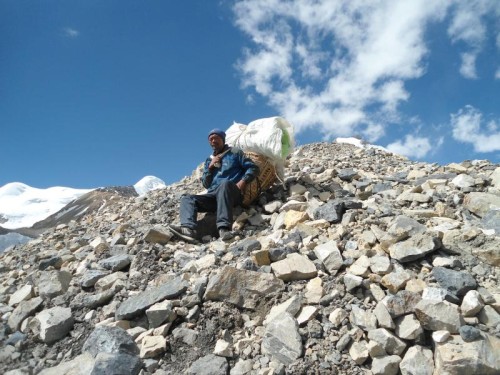
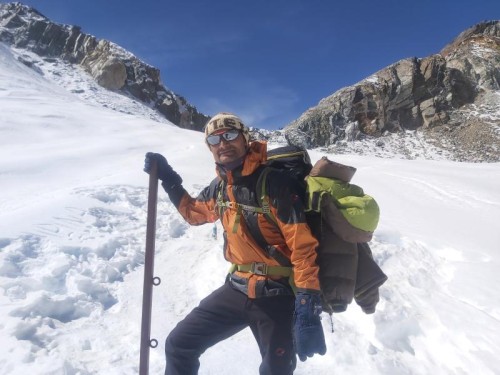
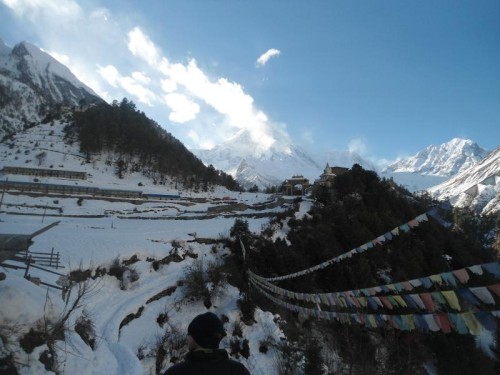
Autumn is one of the best times to visit the Langtang Valley Trek. This season, which runs from September to November, comes after the summer monsoon and before winter, offering the most favorable trekking conditions. The weather is generally stable, with crisp, fresh air, clear blue skies, and excellent visibility of the surrounding Himalayan peaks. The lower elevations remain lush and green after the monsoon, while the higher elevations provide spectacular mountain views and ideal conditions for photography.
Autumn also offers pleasant daytime temperatures, making trekking comfortable even at higher elevations. During the day, temperatures typically range from 15°C to 25°C, while nights are cooler but still manageable with proper clothing. The trails are dry and easy to walk on, with little chance of rain or snowfall, making this season ideal for trekkers of all experience levels.
Another highlight of autumn is the opportunity to experience Nepal's major festivals, such as Dashain and Tihar, allowing trekkers to witness the country's rich cultural traditions. Wildlife is also more active during this season, and you may have the chance to spot red pandas, Himalayan langurs, deer, and wild boars in the forests of Langtang National Park.
Because of its stable weather, comfortable temperatures, stunning mountain scenery, and vibrant cultural experiences, autumn is the peak trekking season in the Langtang region. During this time, you can expect to meet fellow trekkers along the trails, in teahouses, and at popular viewpoints such as Kyanjin Ri and Tserko Ri, creating a lively and enjoyable trekking atmosphere.
Langtang Valley Trek in the Spring Season
Spring is the second most popular season to visit the Langtang Valley Trek. Lasting from March to May, it falls between winter and summer and offers excellent weather conditions for trekking. With pleasant temperatures, longer daylight hours, blooming forests, and clear mountain views, spring is one of the best times to explore the Langtang region.
Early March can still be cold because it follows the winter season. Higher elevations, especially around Kyanjin Ri and Tserko Ri, may still have patches of snow, but the trails are generally safe and manageable with proper trekking gear. As the season progresses, temperatures become warmer and the weather remains stable, similar to the autumn season.
Daytime temperatures generally range from 15°C to 25°C, depending on the elevation, while nights are cooler but comfortable with warm clothing. The longer daylight hours provide plenty of time to enjoy the trek and the surrounding Himalayan scenery.
One of the biggest highlights of spring is the vibrant natural beauty. The forests come alive with colorful rhododendron blossoms, blooming wildflowers, and fresh green foliage as new leaves emerge. The weather is usually clear, and occasional light winds quickly disperse clouds, providing excellent visibility and breathtaking views of the surrounding snow-capped mountains.
Because of its comfortable weather, spectacular scenery, and colorful landscapes, spring is a peak trekking season in the Langtang region. During this time, you can expect to meet many fellow trekkers along the trails, in teahouses, and at popular viewpoints, creating a lively and enjoyable trekking atmosphere.
Langtang Valley Trek in the Winter Season
Winter is the third-best season to visit the Langtang Valley Trek, lasting from December to February. It is an excellent choice for trekkers seeking a peaceful and less crowded trekking experience. Although winter brings colder temperatures, especially at higher elevations, the trek is still enjoyable and manageable with proper preparation, warm winter clothing, and a reasonable level of physical fitness.
Winter offers crystal-clear skies, making it one of the best seasons for mountain photography. The snow-covered landscapes and spectacular views of the white, snow-capped Himalayan peaks create a truly unforgettable trekking experience. In addition, the quieter trails allow trekkers to enjoy nature in solitude and experience the authentic lifestyle, culture, and hospitality of the local Tamang communities.
Daytime temperatures generally range from 5°C to 10°C, while nighttime temperatures often fall below 0°C and can drop well below freezing at higher elevations. Despite the cold, the weather is usually stable and dry, making winter a rewarding season for well-prepared trekkers.
Because fewer people trek during the winter months, the trails and teahouses are much less crowded, allowing you to enjoy a peaceful, scenic, and adventurous journey through the beautiful Langtang Valley.
Langtang Valley Trek in the Summer/Monsoon Season
The Langtang Valley Trek is also possible during the summer/monsoon season, which lasts from June to August. Since this is Nepal's monsoon season, it is an excellent time for nature lovers and trekkers seeking a peaceful and less crowded trekking experience. However, trekking during this season requires proper preparation, suitable monsoon trekking gear, and a flexible itinerary due to changing weather conditions.
Monsoon rainfall can make the trails muddy and slippery, and heavy rain may occasionally cause road disruptions or landslides. Trekkers may also encounter leeches, insects, and earthworms in the lower forested areas. Therefore, waterproof clothing, sturdy hiking boots, gaiters, trekking poles, and rain protection are essential for a safe and comfortable journey.
Despite these challenges, the Langtang Valley Trek in summer offers a unique and rewarding experience. The forests become lush and vibrant, wildflowers bloom, waterfalls flow at their fullest, and the valleys are covered in fresh greenery. It is also a great season for observing wildlife, enjoying the peaceful atmosphere, and experiencing the daily lifestyle and culture of the local Tamang communities. On clear mornings, trekkers can still enjoy spectacular views of the surrounding Himalayan peaks before clouds build later in the day.
Summer temperatures are generally warmer than in spring, autumn, and winter, making trekking at lower elevations comfortable. Although rain showers are common, they are often followed by sunny periods, creating beautiful landscapes and a refreshing trekking environment.
Suggested Blog Posts for the Langtang Valley Trek
- Top 10 Things to Know About the Langtang Valley Trek
- Langtang Valley Trek Highlights
- Langtang Valley Trek Cost: Cheapest Packages & How to Book
- Langtang Valley Trek Food and Accommodation Guide
- Langtang Valley Trek in Winter
FAQs About the Best Time to Visit the Langtang Valley Trek
When Is the Best Time for the Langtang Valley Trek?
The best time to visit the Langtang Valley Trek is during spring (March to May) and autumn (September to November). These seasons offer the most favorable trekking conditions, with stable weather, clear mountain views, comfortable temperatures, and dry trails. They are also the perfect time to enjoy spectacular Himalayan scenery, experience the rich Tamang culture, observe local festivals, and capture stunning photographs, making your trek safe, enjoyable, and unforgettable.
Why Is Choosing the Right Season for the Langtang Valley Trek Important?
Choosing the right season for the Langtang Valley Trek is essential for a safe, comfortable, enjoyable, and memorable trekking experience. The best trekking seasons offer stable weather, pleasant temperatures, clear mountain views, dry and well-maintained trails, and excellent trekking conditions.
During the ideal seasons, all teahouses are open, providing comfortable accommodation and fresh, delicious meals. Trekkers can also enjoy breathtaking Himalayan scenery, vibrant forests, rich Tamang culture, and a greater chance of spotting wildlife. By selecting the best time to visit the Langtang Valley Trek, you can maximize your enjoyment and ensure a successful and unforgettable adventure in the Himalayas.
Which Months Are the Best Time to Visit the Langtang Valley Trek?
The best months to visit the Langtang Valley Trek are October in the autumn season and April in the spring season. These two months offer very similar trekking conditions, including stable weather, excellent visibility, comfortable temperatures, clear mountain views, longer daylight hours, dry trails, and spectacular natural scenery.
Both October and April provide ideal conditions for trekking, photography, wildlife observation, and experiencing the rich Tamang culture, making them the most popular months for a safe, enjoyable, and unforgettable Langtang Valley Trek.
Which Month Is Better for the Langtang Valley Trek: April or October?
Both April and October are excellent months for the Langtang Valley Trek, but each offers its own unique highlights and trekking experience.
April, during the spring season, is famous for its blooming rhododendron forests, colorful wildflowers, fresh green landscapes, and beautiful snow-capped mountain views that remain after winter. It is the perfect time for nature lovers and photographers who want to experience the vibrant beauty of the Himalayas.
October, in the autumn season, is renowned for its exceptionally clear mountain views, stable weather, dry trails, and excellent visibility. Since it comes after the monsoon season, the air is fresh and the skies are usually crystal clear, making it the ideal month for panoramic Himalayan views and comfortable trekking conditions.
Whether you choose April or October, you can expect an unforgettable Langtang Valley Trek. Your choice depends on whether you prefer colorful spring landscapes and blooming flowers or the crystal-clear skies and spectacular mountain scenery of autumn.
When Is the Worst Time to Visit the Langtang Valley Trek?
Based on our experience, the summer/monsoon season (June to August) is generally the least favorable time to visit the Langtang Valley Trek. During this period, Nepal experiences frequent rainfall, including in the Langtang region, which can result in muddy and slippery trails, reduced mountain visibility, and occasional road disruptions or landslides.
Trekkers may also encounter leeches, insects, and bugs in the lower forested areas. Heavy rainfall can make trekking more challenging, and some teahouses may offer limited food choices and services during the off-season.
However, the monsoon season can still be a rewarding time for well-prepared trekkers. If you enjoy peaceful trails, lush green landscapes, vibrant forests, fewer crowds, and authentic cultural experiences with the local Tamang communities, summer trekking offers a unique adventure. With proper rain gear, flexible travel plans, and an experienced guide, the Langtang Valley Trek can still be completed safely during the monsoon season.
Is Winter a Good Time to Visit the Langtang Valley Trek?
Yes, the winter season (December to February) is also a great time to visit the Langtang Valley Trek, provided you are well prepared with proper winter clothing and trek with an experienced guide. Although winter brings colder temperatures, the trek remains manageable for most trekkers.
The most challenging part of the trek during winter is the side hike to Kyanjin Ri (4,770 m) and Tserko Ri (4,990 m), where the trails are often covered with snow and ice. The main trekking route to Kyanjin Gompa usually receives less snow and is generally easier to walk with appropriate winter trekking gear.
During the day, temperatures at higher elevations typically range from 5°C to 10°C, while lower elevations are warmer. Nights can be much colder, especially above 3,000 meters, so warm layered clothing and a good sleeping bag are essential.
Winter is an excellent season for trekkers seeking peaceful trails, fewer crowds, breathtaking snow-covered landscapes, crystal-clear mountain views, and a more adventurous Himalayan experience. With proper preparation and guidance, the Langtang Valley Trek in winter can be a safe, rewarding, and unforgettable adventure.
Which Month Is the Coldest for the Langtang Valley Trek?
January is the coldest month to visit the Langtang Valley Trek because it falls in the middle of the winter season. During this month, there is a higher chance of snowfall at higher elevations, especially around Langtang Village, Kyanjin Gompa, Kyanjin Ri, and Tserko Ri.
Nighttime temperatures at higher elevations often fall below 0°C, while daytime temperatures generally range from 5°C to 10°C, depending on the altitude. Lower elevations are usually warmer and more comfortable for trekking.
Although January is the coldest month, it is still a great time to trek for those who are well prepared with warm clothing and proper winter gear. The season offers peaceful trails, crystal-clear mountain views, and stunning snow-covered landscapes, making it an excellent choice for adventure seekers and winter trekking enthusiasts.
Which Month Is the Best Time for Beginners to Trek the Langtang Valley?
The Langtang Valley Trek is one of the best trekking routes in Nepal for beginners, first-time trekkers, and anyone with a moderate level of fitness. However, we highly recommend April and October as the best months for beginners because they offer the most stable weather, comfortable temperatures, clear mountain views, and excellent trail conditions.
These months provide ideal trekking conditions with dry trails, longer daylight hours, and breathtaking Himalayan scenery, making the trek safer, easier, and more enjoyable. For first-time trekkers, choosing April or October will help ensure a comfortable, successful, and unforgettable Langtang Valley trekking experience.
What Is the Total Cost of the Langtang Valley Trek?
The total cost of the Langtang Valley Trek starts from USD 580 per person, based on a minimum of two participants joining our standard package.
Our 8-day itinerary includes 6 days of trekking, 2 days of round-trip bus travel between Kathmandu and Syabrubesi, and 2 nights of accommodation in a tourist-class hotel in Kathmandu. The package also includes an experienced trekking guide, all required trekking permits, teahouse accommodation during the trek, and all meals while trekking.
Please note that the total cost may vary depending on the trekking season, group size, itinerary, and the services included. Contact us for a personalized quotation based on your travel dates and requirements.
Why Book the Langtang Valley Trek with High Pass Adventure?
Booking the Langtang Valley Trek with High Pass Adventure offers several benefits that ensure a safe, enjoyable, and memorable trekking experience. We provide experienced local guides, strong and reliable porters, flexible itineraries, competitive prices, and personalized service tailored to your needs.
Your safety and comfort are our top priorities. From arranging trekking permits and transportation to organizing accommodation and meals, we take care of every detail so you can enjoy a hassle-free adventure. With our local expertise, professional team, and commitment to excellent service, High Pass Adventure is dedicated to making your Langtang Valley Trek a successful and unforgettable experience.
Conclusion
The Langtang Valley Trek can be enjoyed throughout the year, with each season offering its own unique charm. Whether you choose autumn, spring, winter, or summer/monsoon, every season provides a different experience in terms of weather, temperature, mountain views, natural beauty, wildlife, local festivals, and cultural experiences.
Before planning your trek, we highly recommend choosing the season that best matches your interests, fitness level, and travel schedule. Understanding what to expect in each season will help you prepare properly and ensure a safe, enjoyable, and unforgettable Langtang Valley trekking experience. No matter when you visit, the Langtang Valley Trek promises breathtaking Himalayan scenery, rich Tamang culture, and memories that will last a lifetime.