

How Difficult is the Upper Mustang Trek
The Upper Mustang Trek is classified as a moderate to challenging trekking route in the Nepal Himalayas. The difficulty level depends on several factors, including the trek duration, daily walking hours, altitude, terrain, weather conditions, and special permit requirements.
The Upper Mustang Trekking route is located north of the Annapurna and Dhaulagiri mountain ranges. Reaching the region requires a long journey by road or a combination of road and flights. The Upper Mustang landscape is characterized by high-altitude desert terrain with frequent ascents and descents. Trekkers should be prepared to walk approximately 5–8 hours per day. In addition, the region requires a special restricted-area permit, and foreign trekkers must trek with a licensed local guide through a registered trekking agency.

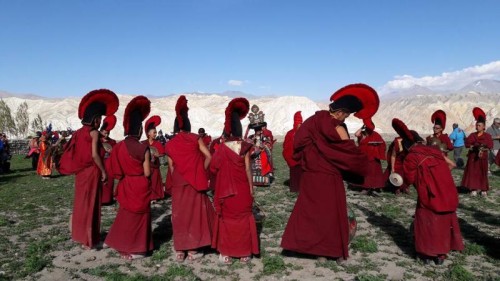
These requirements make the trek more challenging for budget travelers and backpackers, particularly because of the permit fees, transportation costs, and mandatory guide arrangements.
However, several factors make the Upper Mustang Trek more manageable. The region is accessible by road, making it relatively easy to reach the trekking area and return to the cities after completing the trek. There are also comfortable teahouse and guesthouse accommodations, a variety of food options, and flexible itinerary choices, depending on your walking pace and preferences. These factors make the trek achievable for trekkers with a reasonable level of fitness and proper preparation.
How to Prepare for the Upper Mustang Trek
With careful preparation, you can manage the difficulty of the Upper Mustang Trek and successfully complete the journey. We recommend focusing on the following:
- Physical fitness: Build your stamina and endurance through regular walking, hiking, running, cycling, or other cardiovascular exercises.
- Mental preparation: Develop a positive mindset and strong determination to handle long walking days and changing conditions.
- Budget planning: Prepare for permit fees, transportation, accommodation, meals, and other personal expenses.
- Choose a reputable trekking agency: Select an experienced and reliable local trekking agency, such as High Pass Adventure, to help manage permits, transportation, accommodation, guides, and other logistics.
- Pack appropriate trekking gear: Prepare suitable clothing, comfortable hiking shoes, sun protection, a warm jacket, and other essential trekking equipment.
- Hire an experienced guide: An experienced guide can provide valuable support, help manage the itinerary, explain the local culture and environment, and assist with unexpected situations.
- Travel Insurance and Health Check-Up: For the Upper Mustang Trek, it is important to have comprehensive travel insurance that covers medical treatment, trekking at high altitudes, and emergency evacuation, including helicopter evacuation if necessary. Unexpected health problems or emergencies can occur during the trek, and medical evacuation in a remote mountain region can be very expensive. Without appropriate insurance, trekkers may have to cover these costs themselves, which can become a significant financial burden.
Overall, the Upper Mustang Trek is not an extremely technical trek, but its high-altitude desert terrain, long walking days, remote location, and special permit requirements make proper preparation important. With good fitness, the right equipment, an experienced guide, and careful planning, the trek can be a rewarding and memorable experience.
Important Factors That Make the Upper Mustang Trek Difficult
Transportation
Transportation can be one of the challenging aspects of the Upper Mustang Trek, as the trek officially starts and ends in Jomsom. Reaching Jomsom from Kathmandu is a long journey and can take up to two days, depending on the transportation and road conditions.
To travel from Kathmandu to Pokhara, you can take a tourist bus, public bus, private vehicle, or flight. However, transportation schedules can sometimes be affected by weather conditions. Poor visibility can cause flight delays or cancellations, while heavy rain can cause road blockages or delays.
The journey from Pokhara to Jomsom can also be affected by weather and road conditions. You can travel by flight or road, but flights may be delayed or cancelled due to poor visibility and unfavorable weather. Similarly, heavy rain can make the road difficult to travel on or temporarily block certain sections.
The return journey from Jomsom to Pokhara and then to Kathmandu can face similar challenges. Therefore, trekkers should allow some flexibility in their itinerary and be prepared for possible transportation delays caused by weather and road conditions.
Walking
For the Upper Mustang Trek, the trekking journey starts and ends in Jomsom. Trekkers typically walk for approximately 5–8 hours per day over around 10 days, depending on the itinerary, walking pace, and trail conditions.
The trail includes frequent ascents and descents, and the region can be quite windy, making some sections more challenging. The high-altitude desert landscape and varied terrain can also be demanding, especially for trekkers who are coming from lower elevations and are not accustomed to walking in this type of environment.
With proper physical preparation, a comfortable walking pace, and adequate rest, most trekkers with a reasonable level of fitness can manage the daily walking requirements of the Upper Mustang Trek.
Altitude
During the Upper Mustang Trek, trekkers reach an altitude of approximately 4,200 meters, which is the highest point of the trek. However, the highest overnight stays are generally around 3,800–3,900 meters.
This altitude can be challenging, especially for beginners and trekkers who are not accustomed to high elevations. Coming from lower-altitude areas and ascending too quickly can increase the risk of altitude sickness.
Proper acclimatization, staying hydrated, walking at a comfortable pace, and allowing enough time for your body to adjust to the elevation can help make the trek safer and more enjoyable.
Terrain
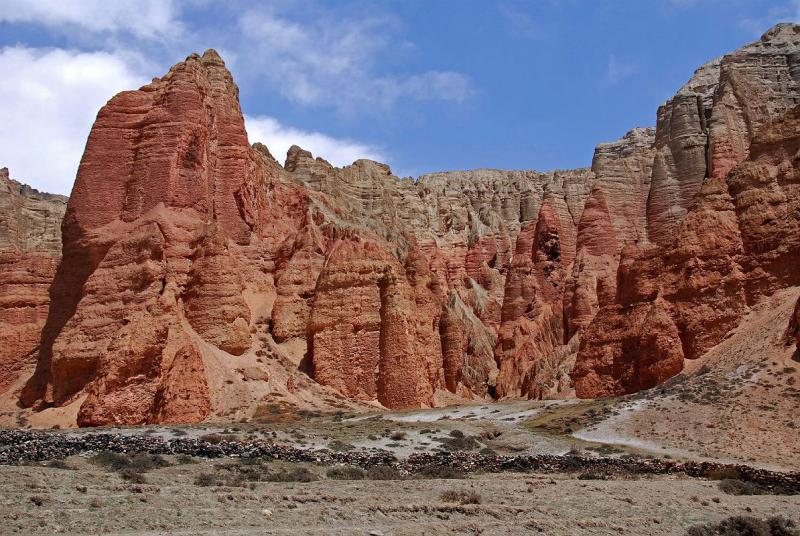
The terrain of the Upper Mustang Trek is quite different from other popular trekking routes in Nepal, such as the Everest and Manaslu regions. Upper Mustang is characterized by a high-altitude desert landscape, with dry and barren terrain, strong winds, and significant temperature differences between day and night.
During the daytime, the weather can be sunny and relatively warm, while the mornings and evenings can be quite cold. The trail also includes frequent ascents and descents over rocky and dry terrain, which can make walking more challenging.
The high altitude and unique desert terrain may be particularly challenging for trekkers who are coming from lower elevations and are not accustomed to this type of landscape. The reduced oxygen levels at higher elevations can also make physical activity more demanding.
Remoteness
The Upper Mustang Trek is located in a remote region of Nepal, far from major cities such as Kathmandu and Pokhara. Some sections of the trekking route are also far from villages and settlements. Because of the remote location, the costs of food, accommodation, and transportation can be higher than on more accessible trekking routes. This can make the trek more challenging for budget travelers and backpackers.
In some remote areas, internet and mobile network coverage may be limited or unavailable, which can make communication difficult.
However, the Upper Mustang Trek has become increasingly popular in recent years due to improved road access, its unique natural beauty, more flexible trekking options, upgraded teahouse accommodations, and a variety of hygienic local food. The changes in permit regulations have also made the trek more accessible to some travelers.
Overall, the remote location of Upper Mustang can make the trek more expensive and challenging, but its unique landscapes, culture, and improved facilities make it a rewarding trekking destination.
Restricted Area
Upper Mustang is classified as a restricted area by the Government of Nepal. Trekkers are required to obtain a special restricted-area permit to enter the region. The permit costs USD 50 per person per day, according to the current permit regulations.
Foreign trekkers must also arrange their trek through a registered local trekking agency in Nepal, such as High Pass Adventure, and travel with a licensed trekking guide. These requirements make the Upper Mustang Trek different from many other trekking routes in Nepal.
The special permit, mandatory guide, and requirement to arrange the trek through a local trekking agency can make Upper Mustang more challenging and expensive for budget travelers and backpackers. However, these regulations also help protect the region's unique culture, environment, and heritage while supporting the local economy.
.
Updated Upper Mustang Trek Itinerary
Day 01: Arrival in Kathmandu (1,350 m)
Arrive at Kathmandu Airport and transfer to your hotel by private vehicle. Overnight at a hotel in Kathmandu
Day 02: Drive to Pokhara (850 m)
Drive from Kathmandu to Pokhara, covering approximately 200 km and taking around 6–7 hours. Overnight at a hotel in Pokhara
Day 03: Fly to Jomsom and Trek to Kagbeni (2,810 m)
Take a 25-minute flight to Jomsom (2,720 m) and then trek to Kagbeni. The trek takes approximately 3 hours. Overnight at a guesthouse in Kagbeni
Day 04: Trek to Chele (3,050 m)
Trek from Kagbeni to Chele, taking approximately 6–7 hours. Overnight at a guesthouse
Day 05: Trek to Syangbochen (3,770 m)
Trek to Syangbochen, taking approximately 6–7 hours. Overnight at a guesthouse
Day 06: Trek to Dhakmar (3,820 m)
Trek from Syangbochen to Dhakmar, taking approximately 6–7 hours. Overnight at a guesthouse
Day 07: Trek to Lo Manthang (3,809 m)
Trek to Lo Manthang, the historic walled city of Upper Mustang. The trek takes approximately 6–7 hours. Overnight at a guesthouse
Day 08: Rest and Exploration in Lo Manthang
Enjoy a rest and exploration day in Lo Manthang. You can take a 4–5-hour hike to the Choser Cave area and explore the surrounding landscapes and cultural sites. Overnight at a guesthouse
Day 09: Trek to Yara/Ghara Village (3,650 m)
Trek from Lo Manthang to Yara/Ghara Village, taking approximately 6–7 hours. Overnight at a guesthouse
Day 10: Trek to Tengge (3,240 m)
Trek to Tengge, taking approximately 6–7 hours. Overnight at a guesthouse
Day 11: Trek to Chuksang (2,980 m)
Trek to Chuksang, taking approximately 7–8 hours. Overnight at a guesthouse
Day 12: Cross Gyu-La Pass and Trek to Muktinath (3,760 m)
Cross Gyu-La Pass (4,077 m) and continue trekking to Muktinath. The total walking time is approximately 8 hours. Overnight at a guesthouse in Muktinath
Day 13: Trek to Jomsom (2,720 m)
Trek from Muktinath to Jomsom, taking approximately 6 hours. Overnight at a guesthouse
Day 14: Fly to Pokhara (850 m)
Take a 20-minute flight from Jomsom to Pokhara. Overnight at a hotel in Pokhara
Day 15: Fly or Drive to Kathmandu (1,350 m)
Return to Kathmandu by flight (approximately 30 minutes) or by road (approximately 7 hours). Overnight at a hotel in Kathmandu
Day 16: Final Departure
Transfer to Kathmandu International Airport for your final departure and onward journey home.
How to Reduce the Difficulties during the Upper Mustang Trek?
There are several ways to reduce the difficulties and make the Upper Mustang Trek more comfortable and enjoyable. Following some simple guidelines and preparing properly can help you manage the high altitude, long walking days, and changing weather conditions.
Here are some important tips:
- Follow your guide's instructions: Listen carefully to your experienced guide and follow their recommendations throughout the trek. Your guide can provide important information about the trail, altitude, weather, and daily walking schedule.
- Walk at a steady pace: Avoid walking too fast or too slowly. Maintain a comfortable and consistent pace that allows you to conserve energy.
- Stay well hydrated: Drink plenty of water throughout the day and stay properly hydrated, especially at higher elevations.
- Eat a balanced diet: Eat nutritious and energy-rich meals to maintain your strength and energy during the trek.
- Monitor your health: Pay attention to how you feel at higher elevations. If you have access to a pulse oximeter, you can monitor your oxygen saturation, but your symptoms and overall condition are more important than the oxygen reading alone.
- Keep your body warm: Wear appropriate layers and protect yourself from the cold and strong winds, particularly in the mornings and evenings.
- Avoid smoking and excessive alcohol: Smoking and alcohol can make it more difficult for your body to adjust to high altitude, so it is best to avoid them during the trek.
- Follow a flexible itinerary: Allow enough time for rest and acclimatization, and be prepared to adjust the itinerary according to weather and trail conditions.
- Hire an experienced guide and porter: An experienced guide can help manage the trek safely and efficiently, while a porter can carry your luggage and make your walking more comfortable.
By following these guidelines and preparing properly, you can better manage the challenges of the Upper Mustang Trek and increase your chances of completing the journey safely and comfortably.
Upper Mustang Trekking Trail Conditions: Roads, Dust, Wind, and Daily Walking Distance
The Upper Mustang trekking trail can be challenging because some sections follow the road, while other sections pass through open, off-road terrain. The region is characterized by a high-altitude desert landscape and lies in the rain-shadow area of the Himalayas, with very little vegetation or forest in many places.
Walking along the road can sometimes be uncomfortable because of passing vehicles, strong winds, and dust. In the open sections of the trail, trekkers may also experience strong winds, particularly during the daytime.
The typical walking time during the Upper Mustang Trek is around 5–8 hours per day. Although this may seem like a long walking day, there are regular opportunities to stop for meals, tea, rest, and photography. Most sections do not involve extremely steep climbs, but the frequent ascents and descents, high altitude, wind, and dry terrain can make the trek physically demanding.
The Upper Mustang trekking trail is quite different from other popular trekking routes in Nepal, such as the Everest and Manaslu regions. Its unique combination of high-altitude desert terrain, windy conditions, road sections, and Tibetan-influenced landscapes makes Upper Mustang a distinctive and rewarding trekking destination.
Upper Mustang's Weather and Temperature Challenges for an Epic Trek
The trek's difficulty also depends on temperature and weather. There are four seasons in Upper Mustang, just like everywhere else: spring, summer, Autumn, and winter.
The spring season is a perfect time to trek the Upper Mustang. The average daytime temperature during this season ranges from 16 to 22 degrees Celsius. This time of year, the weather is pleasant, with a clear view of the mountains and the Himalayas. The temperature at night ranges from 0 to 2 degrees Celsius.
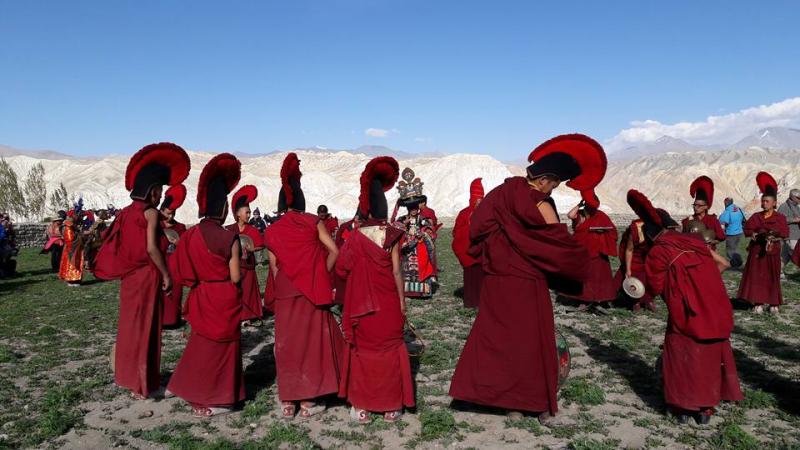
This is great weather for trekking, making your journey much easier. During this season, there are a lot of tourists. The Tiji festival, one of Upper Mustang’s most important festivals, is also held during this season.
Because the Upper Mustang is in the rain shadow region of the Annapurna region, it rarely rains during the summer. As a result, you can savor the dry and mild weather during this time of the year, enhancing your overall experience. The daytime temperature ranges from 13 to 20 degrees Celsius on average. Nighttime temperatures drop to -2 to 0 degrees Celsius, creating a crisp and refreshing atmosphere.
Autumn is considered another best time to trek the Upper Mustang. Autumn offers great visibility. The temperature ranges from 12 to 20 degrees Celsius during the day and -5 to -3 degrees Celsius at night. This will not be an issue because you will be indoors in the mornings and evenings.
During the winter, the Upper Mustang goes into hibernation. The average temperature during the day is 0 to 8 degrees Celsius, and the average temperature at night is -20 to -15 degrees Celsius.
The Upper Mustang experiences snowfall during the winter. It would be difficult to trek in this part of Mustang during this season. It could be challenging to do this hike without the proper supplies and equipment. So, hiking in Upper Mustang is not difficult; just pick the appropriate season.
FAQs About Upper Mustang Trek Difficulty
How Difficult Is the Upper Mustang Trek?
The Upper Mustang Trek is considered a moderate to challenging trek and is suitable for trekkers with good physical fitness and some previous hiking experience. To prepare for the trek, it is recommended to start training at least two months before departure. Activities such as running, jogging, swimming, cycling, regular walking, and hiking can help improve your stamina, endurance, and overall fitness, making the trek more comfortable and enjoyable.
Is the Upper Mustang Trek Suitable for Beginners?
Yes, the Upper Mustang Trek is suitable for beginners who have good physical fitness, good overall health, proper preparation, a positive mindset, and strong determination to complete the trek. With adequate preparation and the support of an experienced guide, beginners can enjoy the trek safely and comfortably without major difficulties.
What Makes the Upper Mustang Trek Challenging?
The Upper Mustang Trek is challenging due to its remote location and limited accessibility. The trek starts and ends far from major cities, requiring long road journeys to reach the trailhead and return after completing the trek. The main challenges include long walking days, rocky and uneven trails, steep ascents and descents, strong winds, dry and dusty conditions, and high-altitude terrain. The remoteness of the region also means that medical facilities and other services are limited in some areas. However, with proper physical preparation, suitable trekking equipment, a steady pace, and the support of an experienced guide, trekkers can successfully complete the Upper Mustang Trek and enjoy its unique landscapes and cultural experiences.
What Is the Highest Point of the Upper Mustang Trek?
The highest point of the Upper Mustang Trek is around 4,200 meters, at Chono La Pass, located between Ghar Gompa and Lo Manthang. Most parts of the Upper Mustang trekking route are situated above 3,500 meters, so trekkers should be properly prepared for high-altitude conditions. For detailed information about the trekking route, elevations, walking hours, and daily activities, you can refer to our standard Upper Mustang Trek itinerary.
Is Altitude Sickness a Concern on the Upper Mustang Trek?
Yes, altitude sickness can be a concern on the Upper Mustang Trek because the route reaches high elevations. However, the risk can be reduced by following a well-planned and flexible itinerary that allows for gradual ascent and proper acclimatization. Trekkers should also stay well hydrated, eat a balanced diet, walk at a comfortable pace, avoid overexertion, and follow the advice of their experienced guide. With proper preparation and acclimatization, most trekkers can enjoy the Upper Mustang Trek safely and comfortably.
How Many Hours Do I Need to Walk Each Day During the Upper Mustang Trek?
During the Upper Mustang Trek, trekkers generally walk for around 5 to 8 hours per day. Some days may involve approximately 5 hours of walking, while longer days can take up to 8 hours, depending on the trekking itinerary, daily destination, individual pace, trail conditions, and the amount of ascent and descent. The walking hours may also vary depending on the specific route and itinerary.
What Kind of Fitness Is Required for the Upper Mustang Trek?
The Upper Mustang Trek requires a good level of physical fitness, including good cardiovascular endurance, stamina, leg strength, and a positive mindset. Trekkers should be comfortable walking for several hours each day on uneven terrain and completing regular ascents and descents.
To prepare for the trek, we recommend starting your training at least two months before departure. Regular walking, hiking, jogging, cycling, and stair climbing can help improve your endurance, stamina, and leg strength, making the trek more comfortable and enjoyable.
Does the Weather Make the Upper Mustang Trek More Difficult?
Yes, weather conditions can make the Upper Mustang Trek more challenging. The Upper Mustang region is dry and can experience strong winds, particularly in the afternoon. Cold temperatures during the mornings and evenings, especially at higher elevations, can also increase the difficulty of the trek. Poor weather conditions may reduce visibility, while rain can make the trails wet, slippery, and more difficult to walk on.
What Equipment Is Needed for the Upper Mustang Trek?
For the Upper Mustang Trek, essential equipment includes comfortable and sturdy hiking boots, warm layered clothing, a sleeping bag, trekking poles, a down jacket, sun protection, a reusable water bottle, a power bank, waterproof and windproof clothing, general toiletries, and a basic first-aid kit. Proper trekking equipment will help you stay safe, comfortable, and well prepared throughout the journey.
How Can I Make the Upper Mustang Trek Easier and Safer?
To make the Upper Mustang Trek easier, safer, and more enjoyable, trekkers should follow a few important guidelines. Proper physical preparation, gradual acclimatization, suitable trekking equipment, staying well hydrated, maintaining a steady and comfortable pace, and trekking with an experienced local guide and porter can help reduce difficulties and make the journey more comfortable and rewarding.